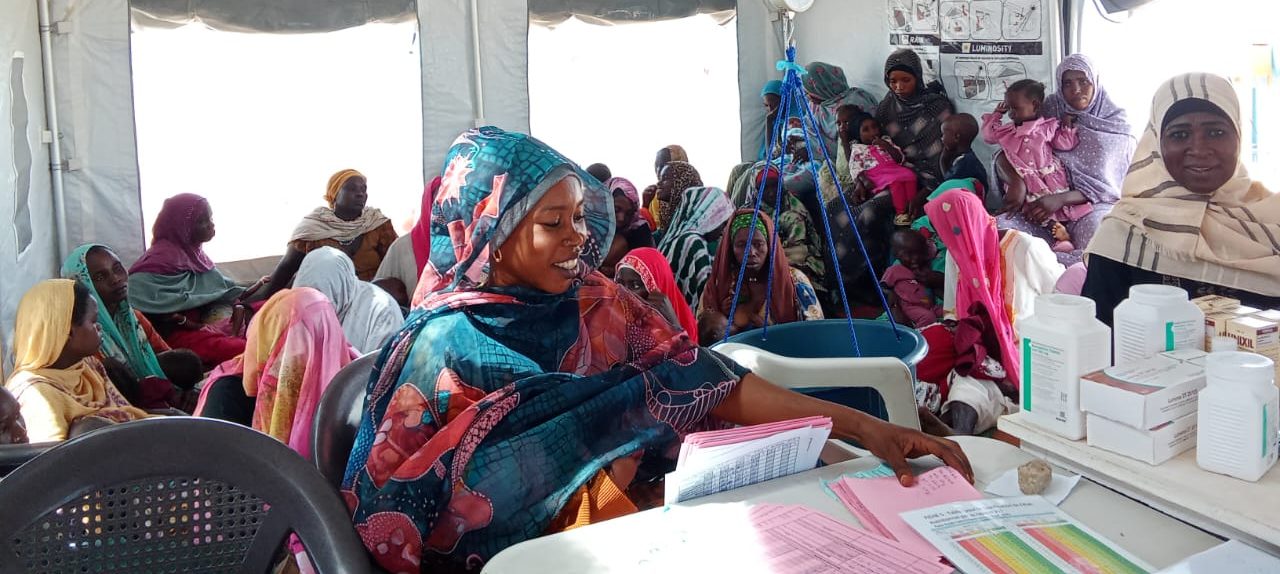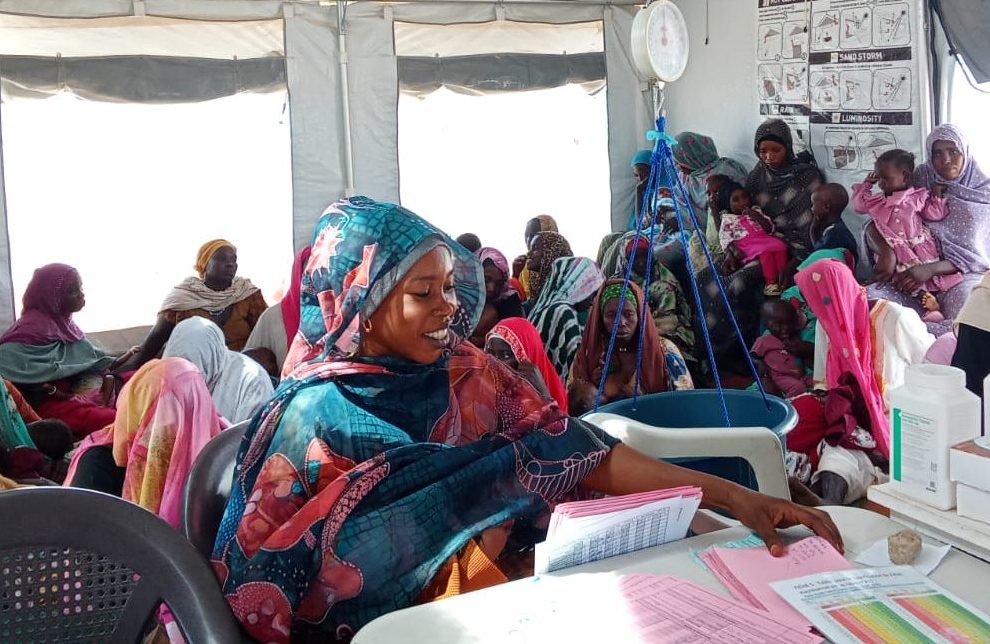
The crisis in Sudan is far from over. Desperately searching for safety, families continue to flee across the border into eastern Chad.
Since 2003, Chad has provided refuge for people fleeing conflict in Sudan, including those displaced by the Darfur crisis. When fighting erupted again in April 2023, the scale of displacement increased dramatically. Since then, more than 940,000 Sudanese refugees have fled to Chad to survive.
At the end of July, more than 2,000 people arrived in Chad’s Wadi Fira province — which is at the border with Sudan — in just five days as insecurity intensified.
“We are seeing increasingly urgent needs among people fleeing the conflict in Sudan. Many have been affected by violence and displacement and need immediate assistance. This is placing additional pressure on already stretched basic services,” says Marco Tamburro, Relief International’s Area Director in Chad.
Life-saving healthcare for refugees at the border
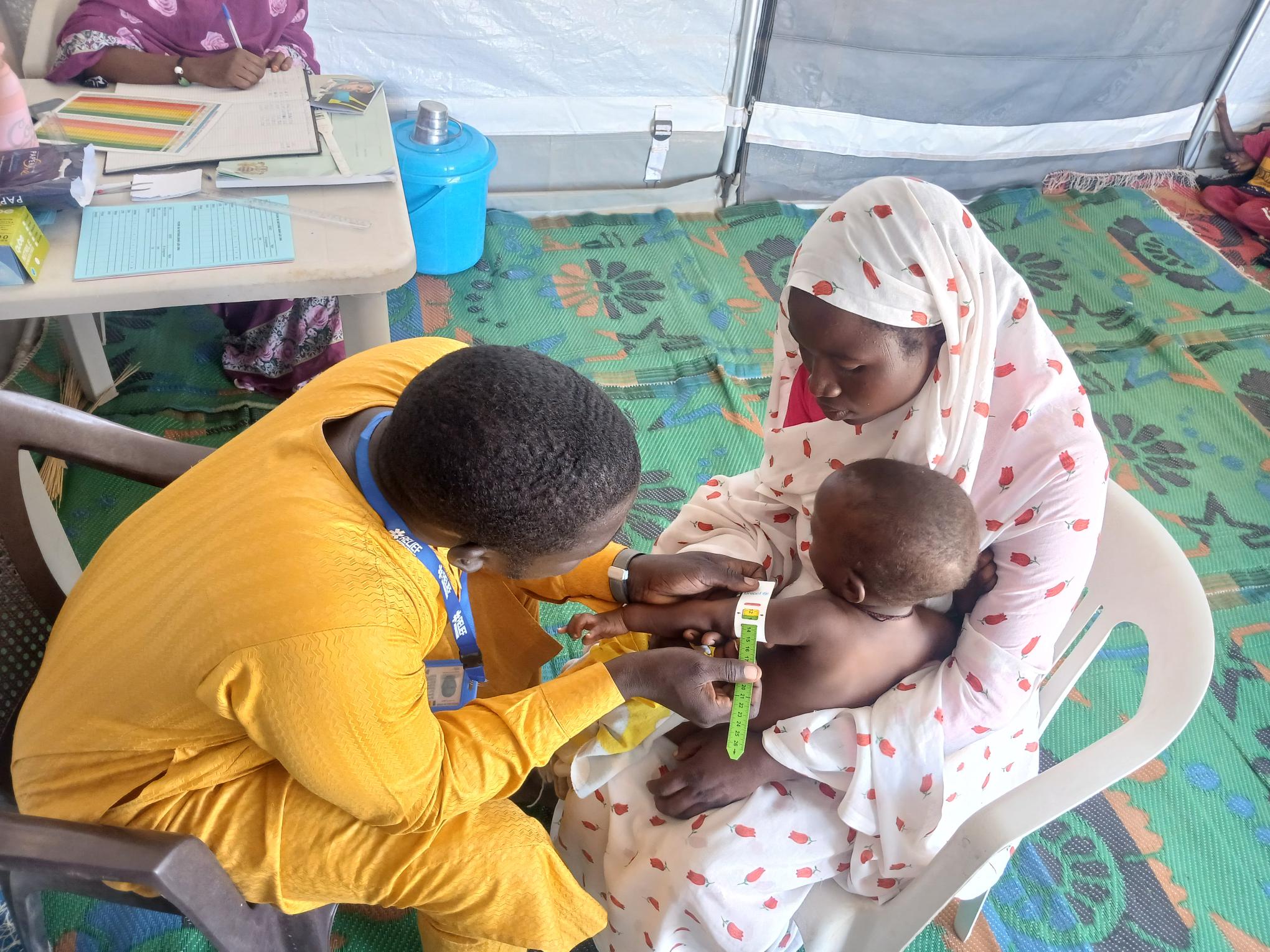
A child is screened to identify their nutritional needs and ensure timely support.
For families arriving in Chad, finding safety is only the beginning.
Many have survived violence, attacks, and the destruction of their homes. The journey to the border can take days, sometimes on foot and in intense heat.
After such journeys, access to healthcare — alongside water, shelter, and food — is one of the first life-saving services immediately required.
Together with our local partner Agence De Développement Économique Et Social (ADES), Relief International is supporting two primary healthcare centres in Wadi Fira, as well as a mobile medical unit that brings care to refugee and host communities across the province.
Alongside primary healthcare and nutrition services, our teams also provide mental health and psychosocial support, helping people to access essential care at a very difficult time.
“Between January and June this year, our teams provided more than 9,000 outpatient consultations. We also supported nearly 750 safe newborn deliveries and treated more than 2,000 people for acute malnutrition,” says Marco.
Preventing Cholera, protecting communities
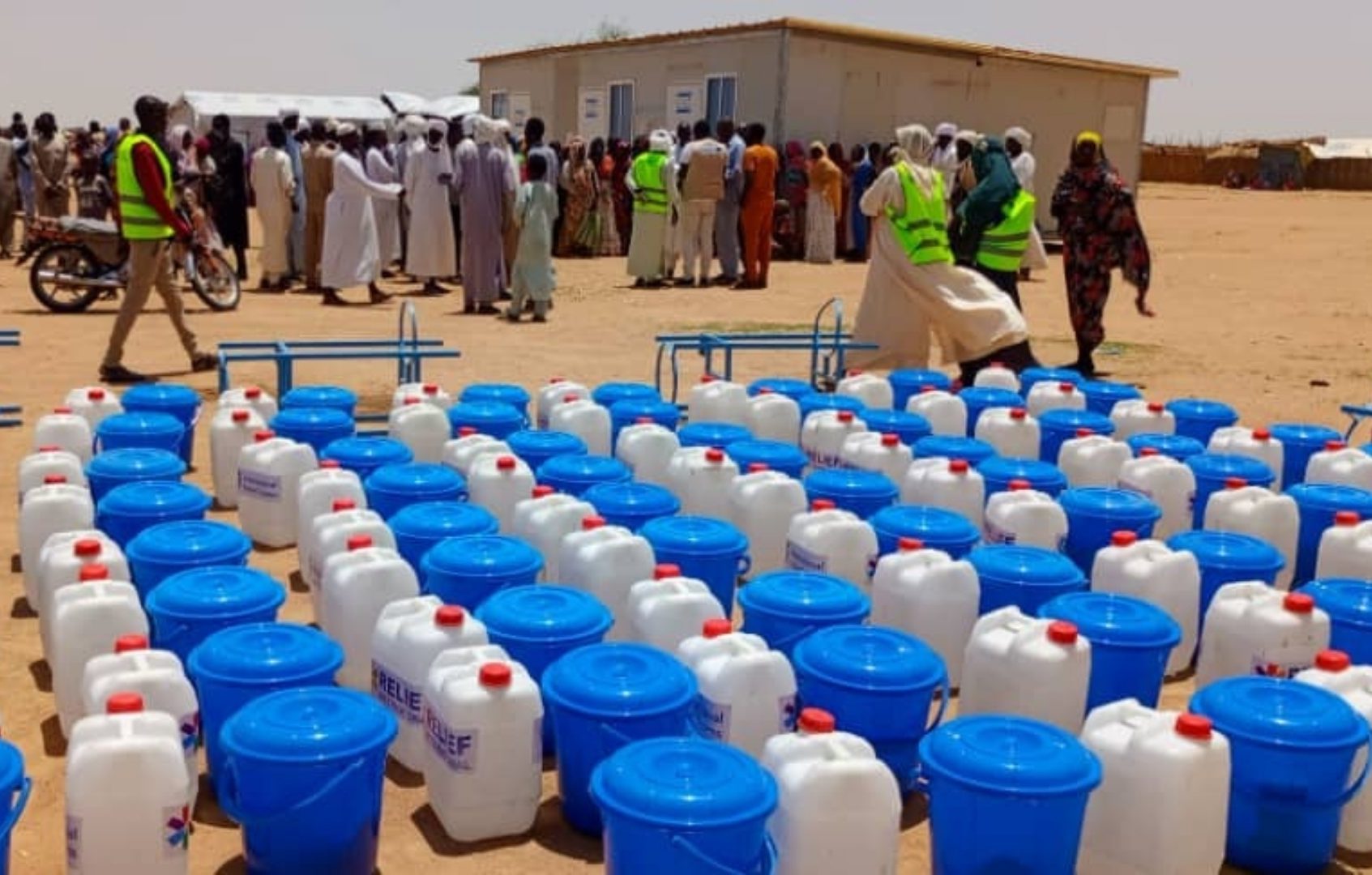
Hygiene kits prepared for distribution to Sudanese refugees at Marassabré Refugee Camp in the Wadi Fira region of Chad, helping families protect their health and prevent the spread of disease.
Crossing into Chad may bring people relative safety, but it does not end the challenges they face.
With the rainy season comes flooding, stagnant water, and overstretched sanitation systems — making it harder to prevent the spread of disease.
“The rainy season worsens cholera and other transmissible diseases. In August alone, 349 new cases of cholera were reported across Chad, alongside 16 deaths,” says Marco.
With more refugees continuing to arrive in Wadi Fara, ensuring access to clean water and safe sanitation is more important than ever.
Our teams are monitoring water quality, rehabilitating sanitation facilities, installing handwashing stations, providing hygiene kits, and distributing water purification tablets for household water treatment.
We are also training 60 health workers on the prevention and control of infections and cholera preparedness, as well as working with communities to promote safe hygiene practices. For families who have already fled conflict, these interventions make a critical difference.
The need for support continues
Humanitarian organisations, including Relief International, are working around the clock to support communities in Eastern Chad, but the scale of need is rapidly outpacing available resources.
“The crisis in Chad cannot be viewed separately from the conflict in Sudan. As long as the conflict continues, humanitarian needs will remain significant. In order to maintain life-saving assistance, sustained and predictable funding is urgently required,” says Marco.