In the western countryside of Deir-ez-Zor, access to healthcare remains a daily struggle. For residents of Al-Tabni and surrounding villages, medical services are scarce, distances are long, and the cost of treatment is often impossible to bear. In this fragile context, a mobile clinic supported by the European Union and implemented by Relief International has become a lifeline for hundreds of families.
A mobile clinic responding to urgent needs
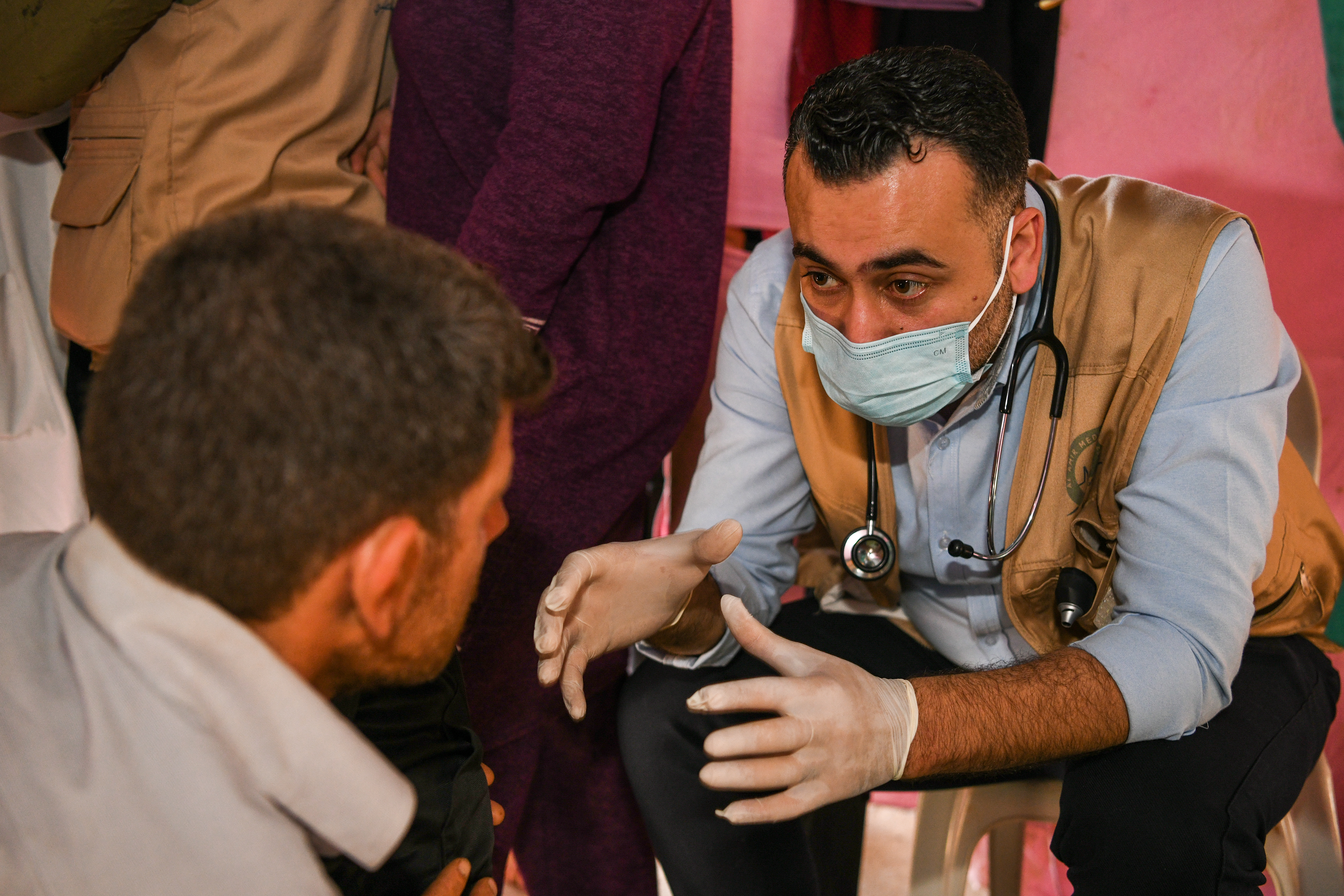
Dr. Mohammad Al-Assaad, a general practitioner with Relief International, during a mobile clinic mission to the western countryside of Deir-ez-Zor. © Frontline in Focus
“We are a mobile medical team serving the western countryside of Deir-ez-Zor including Al-Tabni and Ayash. The team consists of a doctor, a pharmacist, nurses, a midwife, a nutrition specialist, and a data entry officer.” says Dr. Mohammad Al-Assaad
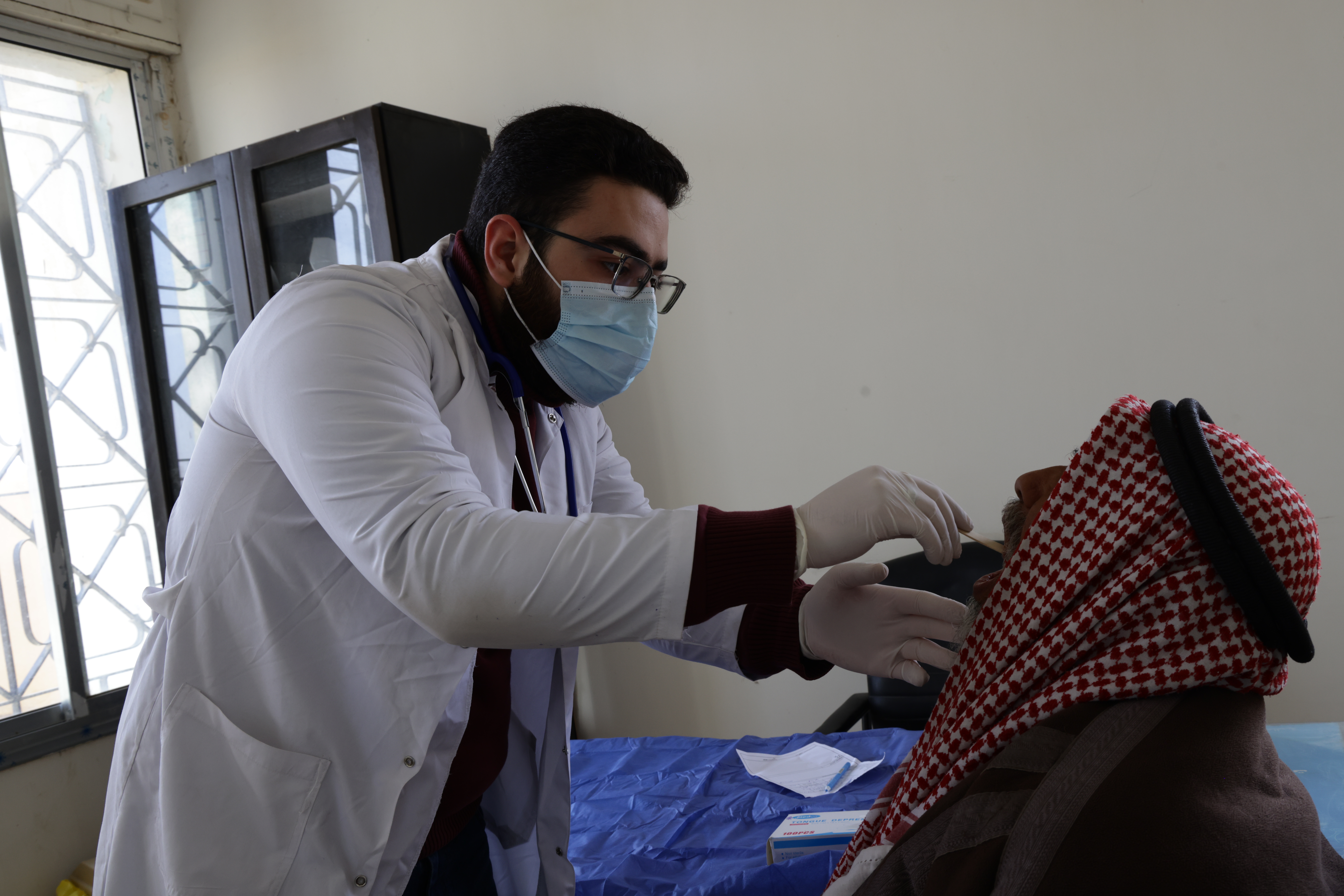
The clinic provides primary healthcare services for children, adults, and the elderly, with a strong focus on chronic diseases, acute illnesses, maternal health, and child nutrition screening.
“Patients are registered, assessed by nurses, and referred accordingly. Children are screened for malnutrition, pregnant women are seen by the midwife, and chronic patients receive regular follow-ups whenever medicines are available.”
One of the biggest challenges, Dr. Mohammad explains, is the long-term impact of war on the health system.
“This area is extremely underserved, both in human resources and medical supplies. Many people are not yet aware that healthcare services are available here, especially returnees and displaced families coming from other regions.”
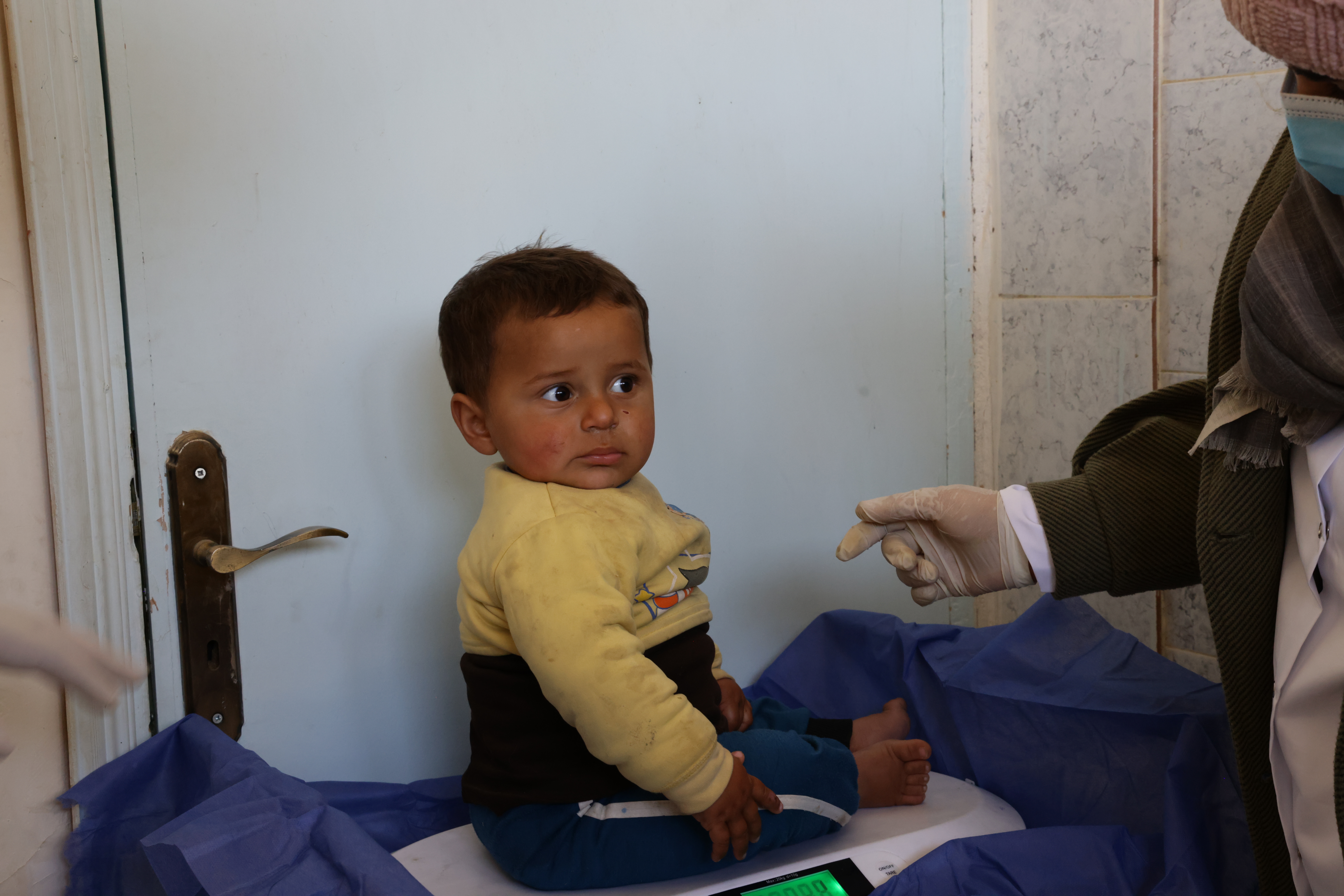
An infant being examined at the mobile clinic at Deir-ez-Zor © Frontline in Focus
When the mobile clinic arrived, the effects were immediate
Salah* a resident of Al-Tabni, lives with his extended family of 18 people, all under one roof. He suffers from a chronic condition that requires four different medications daily.
“When one of the children gets sick, or when I need treatment myself, there is nowhere to go,” he says. “The clinic has almost nothing, no doctors, no emergency services, no transportation, and very limited medicine. Even reaching another facility is extremely difficult and returning home is even harder.”
“When I go to a clinic, I might find one medicine, but the rest are unavailable. Buying them from a pharmacy is not an option. We simply don’t have the money. This is why having a functioning health facility is not a luxury for us; it’s a necessity.”
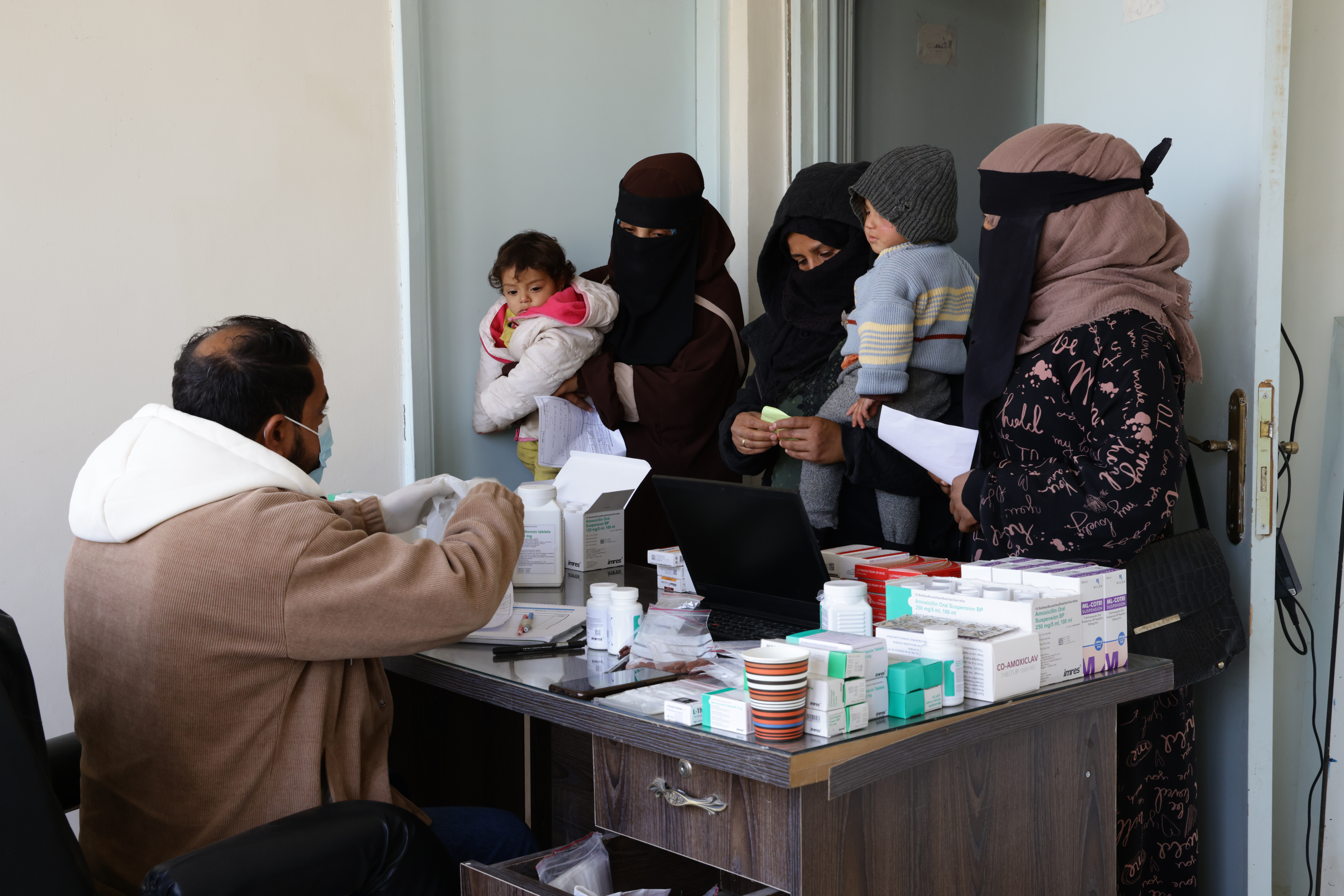
Mothers bring their children to the Relief International mobile clinic in Deir-ez-Zor for essential health check-ups and care. © Frontline in Focus
“The medical team treated us with dignity and respect,” Salah explains. “The problem is not the staff they are excellent, but the lack of resources. What they don’t have, they simply can’t provide.”
For Alaa* a mother of three from Al-Tabni, the clinic has eased some of the burden, but the community’s needs remain overwhelming.
“We welcome this initiative with all our hearts,” she says. “But the clinic only comes three days a week. For a city like Al-Tabni, which also serves many surrounding villages, this is not enough.”
In winter, when respiratory illnesses spread quickly, families often arrive with several sick children at once.
Despite these challenges, Alaa is clear about one thing, the medical staff are doing everything they can. Their treatment is professional. What they need is stronger support, more medicines, more staff, and longer coverage.
The impact of the European Union’s support
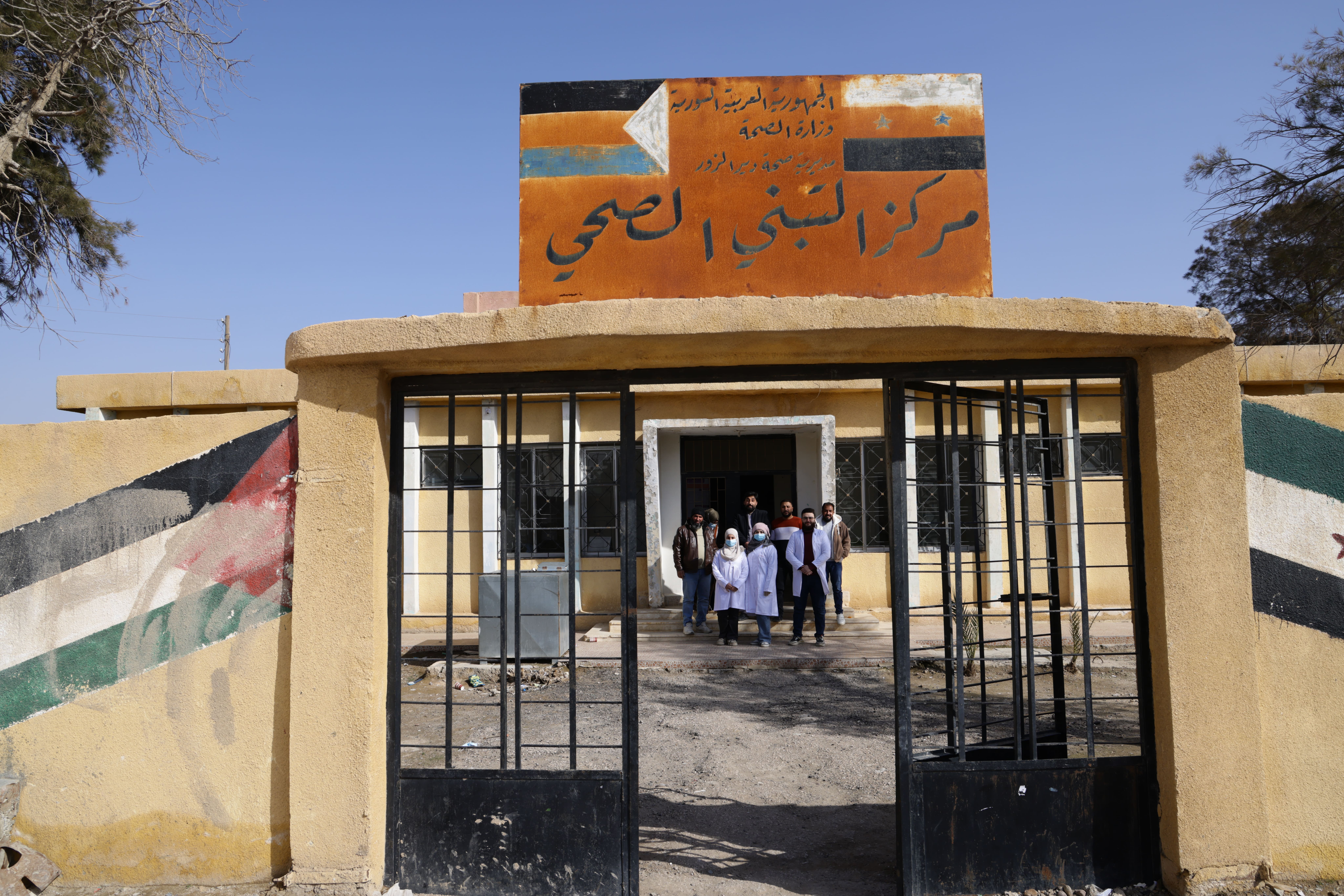
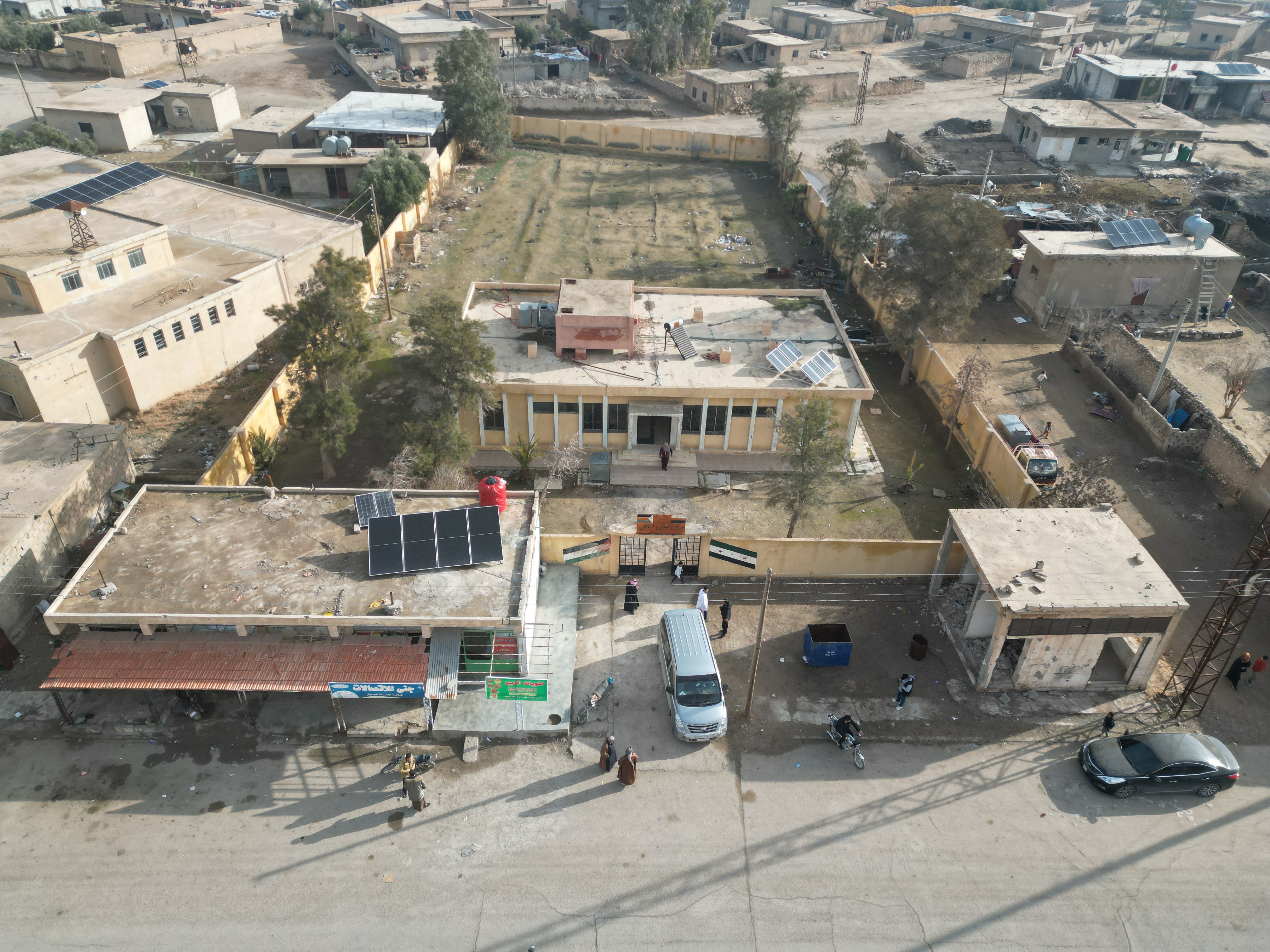
Relief International's medical team stands in front of the Al-Tabni health facility during its mobile clinic mission in the western countryside of Deir-ez-Zor. © Frontline in Focus
“This funding has made a real difference, particularly in providing medicines for chronic diseases. Elderly patients depend on monthly treatment, and without this support, the financial burden would be unbearable,” says Dr Mohammad.
With funding from the European Union (EU), Relief International is able to help patients access free consultations, essential medicines, and follow-up care- services that were previously out of reach. Nevertheless, the needs in the region remain staggering.
“These services are a starting point,” Dr. Mohammad says. “But communities like Al-Tabni need sustained, expanded support to ensure that healthcare is not occasional, but continuous.”