In Pakistan, where over 120 million or 60% of Pakistan’s rapidly growing population of 207.77 million is below the age of 35 years, youth hold the potential to reshape the country’s socio-economic future. Yet, despite this demographic advantage, Pakistan faces a sobering reality: youth unemployment hovers at 10.6%, with even higher rates among young women. The mismatch between education and employable skills has become a significant barrier for millions of young people who are ready to work but lack the tools, knowledge, and opportunities to thrive.
As the world marks World Youth Skills Day, Relief International stands proud of its contribution to bridging this gap through tailored, community-based skills development programs across Pakistan. These programs are not just training youth they are transforming lives, especially among the most vulnerable: Afghan refugees, displaced families, and marginalized women.
A lifeline of skills and opportunity
Since 2019, Relief International, with generous support from the Bureau of Population, Refugees, and Migration (PRM – U.S. Government), GIZ, and the Dutch Ministry of Foreign Affairs, has implemented a comprehensive home-based skill development program across Pakistan. What began as a pilot initiative quickly blossomed into a significant support system for vulnerable youth in regions like Khyber Pakhtunkhwa, where displaced Afghan communities and local populations grapple with poverty, limited education, and scarce job opportunities.
To date, the program has:
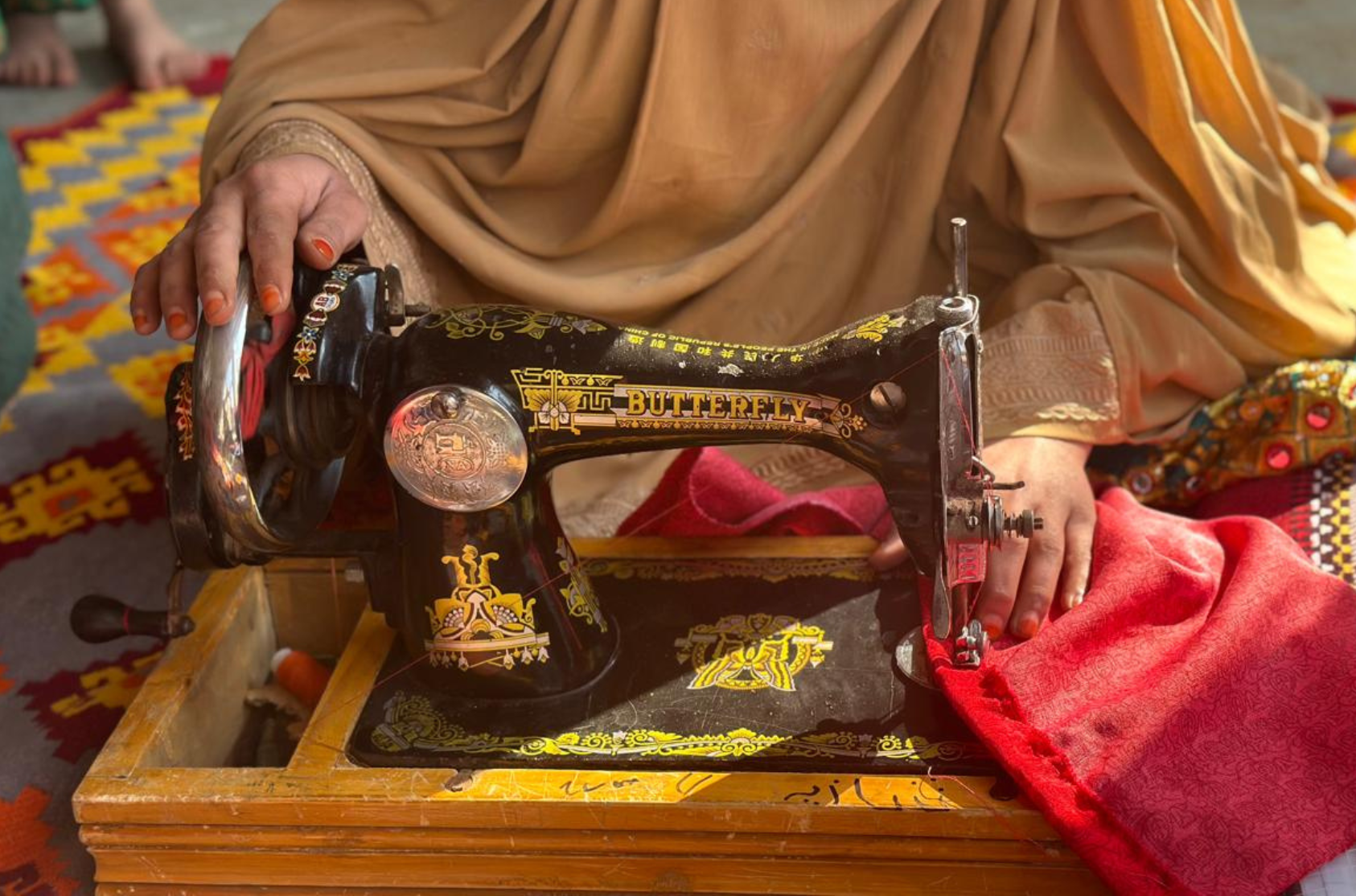
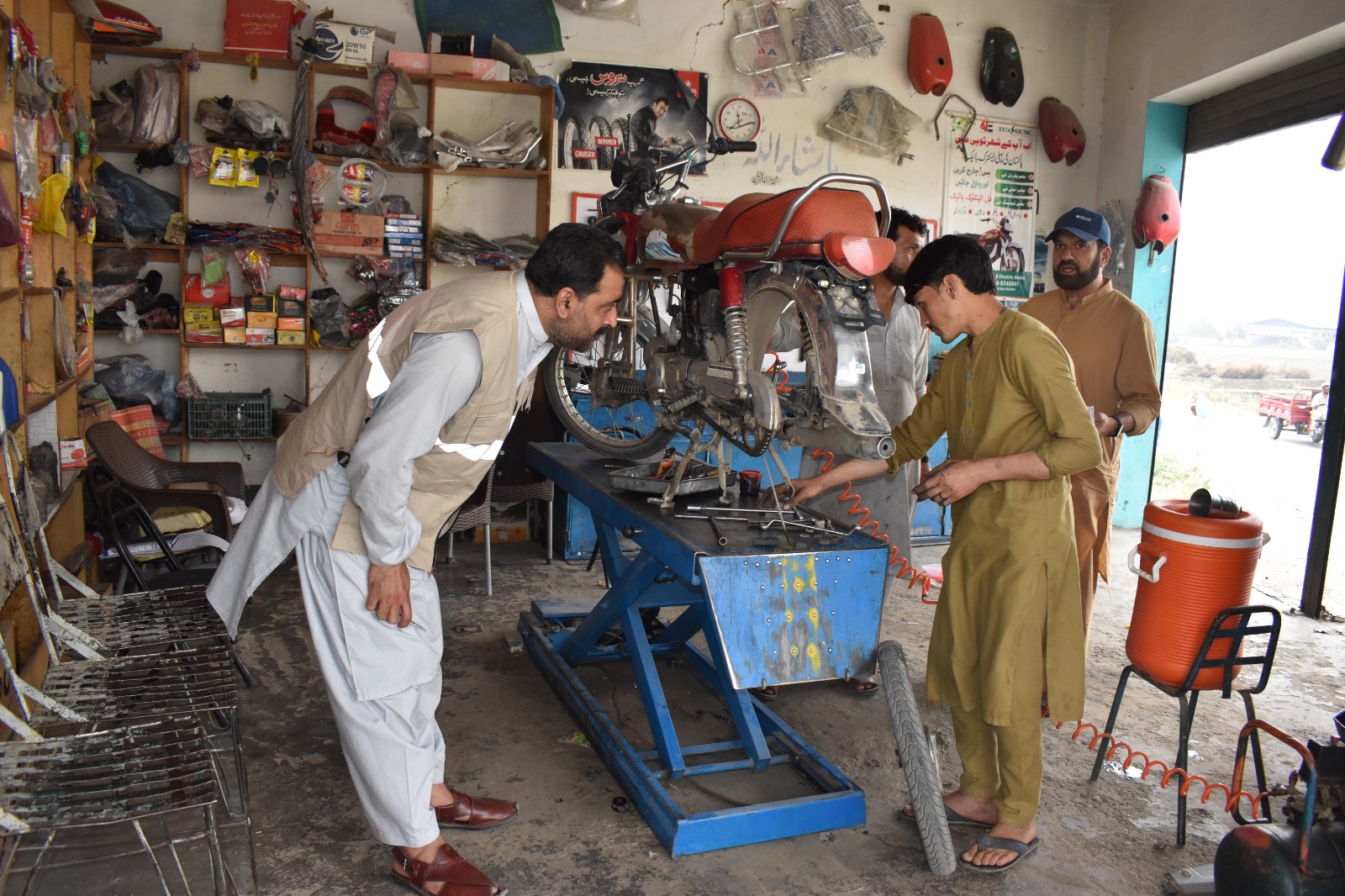
- Trained 1,000+ youth in hands-on, market-relevant trades such as tailoring, mechanics, beauty services, quilt making, leather crafting, poultry farming, and handicrafts.
- Provided 450 participants with digital skills, empowering them to access online work, market their products, and expand their reach through e-commerce.
- Equipped 200 youth with robotics training, introducing cutting-edge technological skills to a generation ready to explore the digital economy.
- Successfully fostered 400+ youth entrepreneurs, enabling them to start and sustain their own businesses, and participating in household incomes and local markets economy.
Significantly, 58% of these participants are Afghan refugees, and around 63% are women, a testament to the program’s focus on inclusion and gender empowerment.
Nida’s Journey: From loss to leadership
Nida, a young woman from Dagi village in Nowshera, epitomizes the transformative power of skills development. Orphaned at a young age, Nida grew up in a household of seven siblings, where her mother worked in others’ homes to survive. Opportunities were few, and poverty seemed inescapable—until Nida was nominated by her local Afghan Community Forum to join Relief International’s Mental Health and Psychosocial Support (MHPSS) Integrated Skill Program, funded by GIZ.
Over three months, Nida honed her tailoring skills, supplemented by digital literacy training. The combination of vocational training and mental health support proved invaluable. Within six months, she began receiving custom orders from a prominent boutique, alongside requests from neighbors. Today, Nida earns an average of 15,000 PKR per month, a remarkable achievement that has brought stability and dignity to her family.
"Before the training, I never imagined I could help my family in this way," Nida reflects. "Now, I have a skill that brings respect, confidence, and income. My dream is to open my own boutique someday."
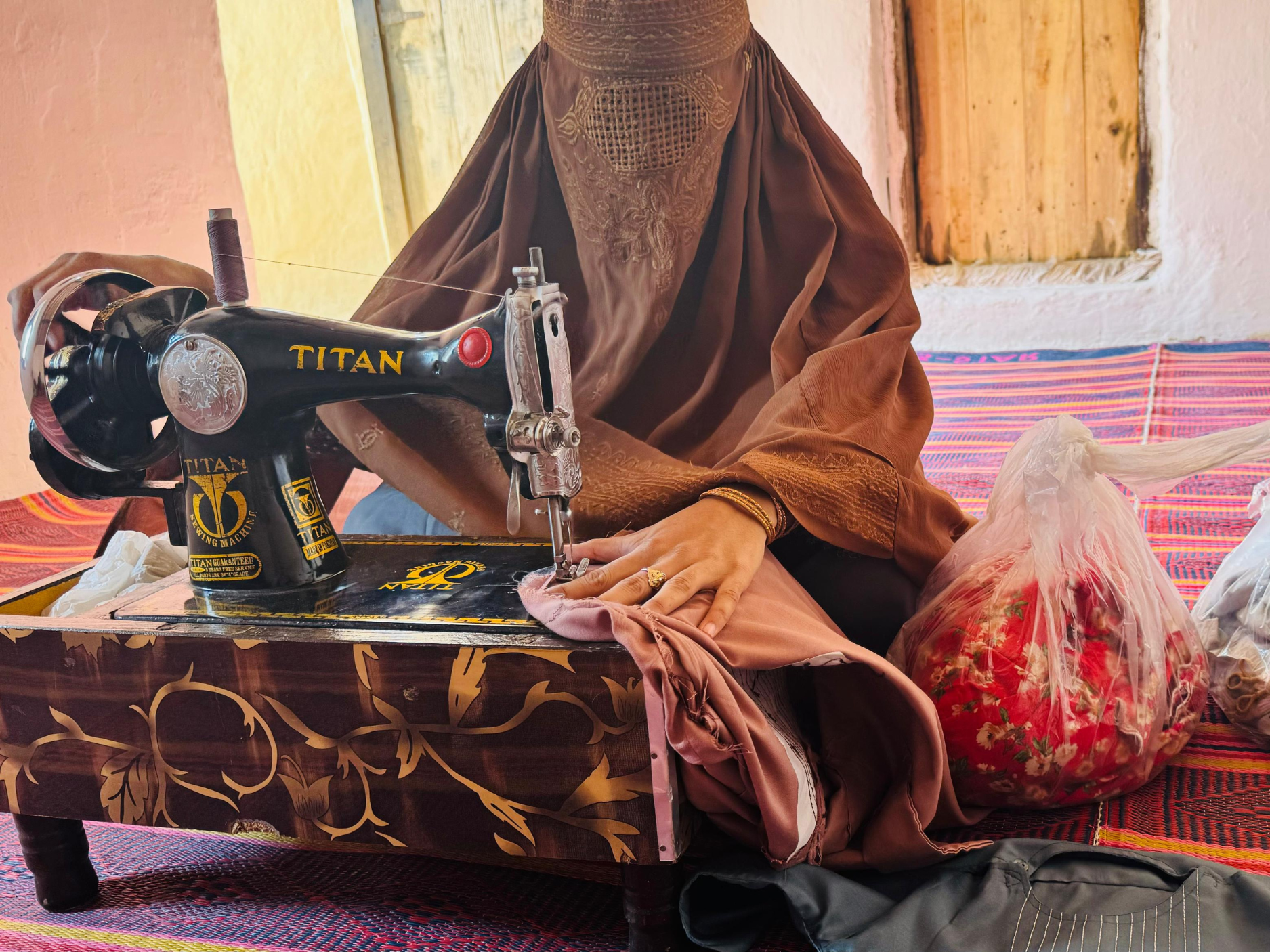
Nida honing her tailoring skills with support from Relief International’s Mental Health and Psychosocial Support Integrated Skill Program, funded by GIZ.
Transforming communities, one skill at a time
Beyond individual success stories like Nida’s, the program has catalyzed broader community change. Youth equipped with skills in embroidery, beautician services, making leather products, mobile repairing, electrician work, generator repair, AC and refrigeration, welding, quilt making, home painting, carpet weaving, solar panel installation, poultry farming and steelwork contributes to local economies. They are creating jobs, supporting their families, and driving small-scale industries in their areas.
The initiative has also integrated digital skills, enabling youth to tap into online marketplaces and remote work opportunities. As Pakistan navigates the challenges of a digital divide, these efforts are critical to ensuring that marginalized populations are not left behind in the global economy.
Moreover, by incorporating Mental Health and Psychosocial Support (MHPSS), the program addresses the trauma, stress, and mental health challenges that often accompany displacement and poverty—providing a holistic model for sustainable youth empowerment.
Why skills development matters in Pakistan
Pakistan faces a ticking demographic time bomb: unless equipped with the right skills, the country’s 62+ million youth risk remaining underemployed or unemployed, exacerbating cycles of poverty and instability.
Nearly 4 million youth2 enter the job market every year, yet the country lacks sufficient formal employment opportunities. Meanwhile, global reports highlight that over 57% of Pakistani employers3 report a lack of adequately skilled workers. Without intervention, this skills gap will continue to stunt economic growth and social development.
A call for support
As Relief International celebrates World Youth Skills Day, we renew our commitment to expanding these vital programs in Pakistan. Our vision is clear: a future where every young person, regardless of background or gender, has the skills, confidence, and opportunities to build a meaningful livelihood.
We call on governments, donors, private sector partners, and civil society to invest in skills development programs that not only equip youth with vocational abilities but also address mental health, digital literacy, and entrepreneurship.
Because when youth thrive, communities flourish and nations prosper.
Looking ahead
Nida’s story is just one of hundreds, but it embodies a universal truth: with the right skills and support, youth can transform adversity into opportunity. As we mark World Youth Skills Day, let us pledge to ensure that every young Pakistani has the chance to learn, grow, and lead.