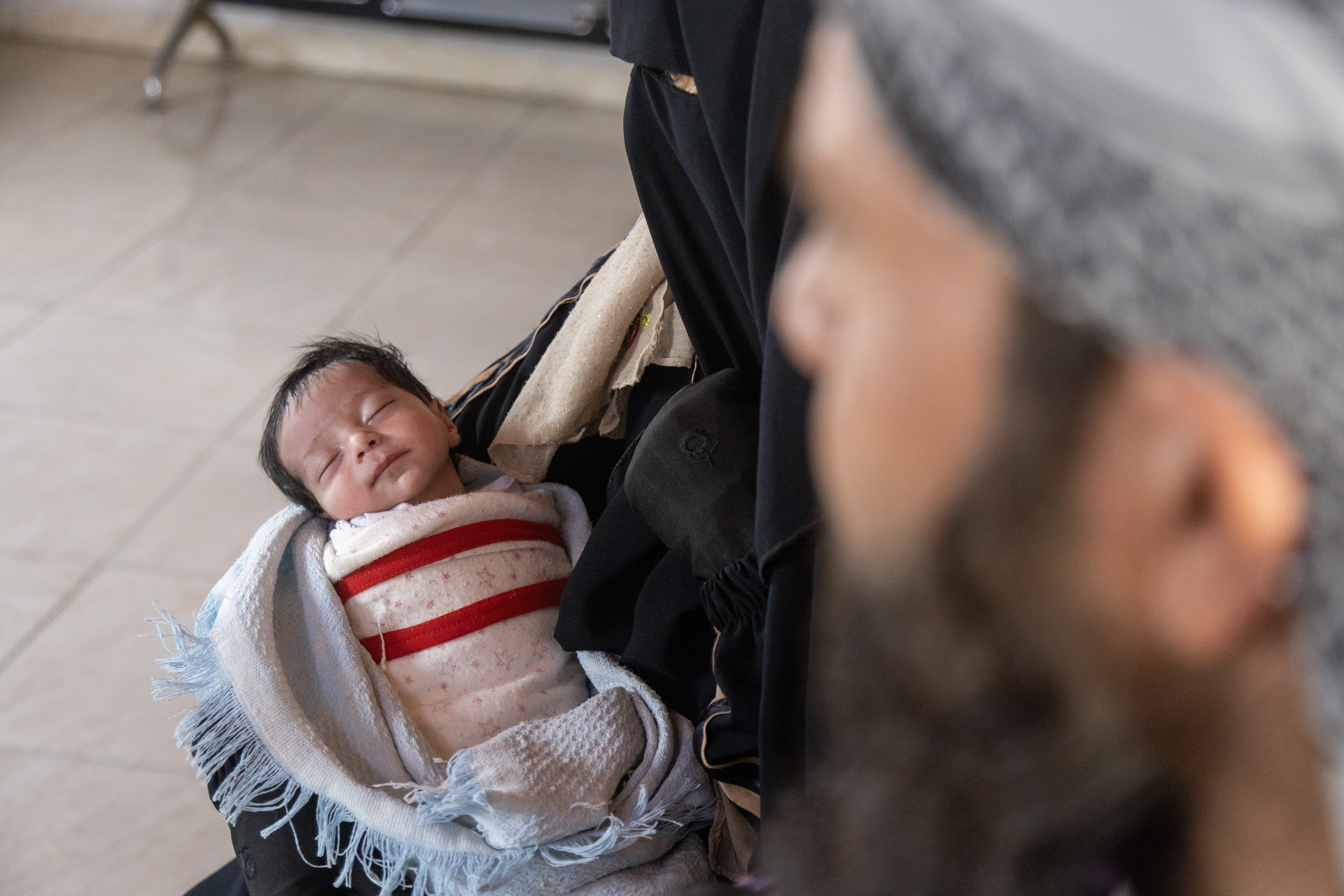
In the remote villages of northeast Syria, where healthcare facilities are scarce and conflict has left deep scars on communities, midwives supported by Relief International are a lifeline for countless mothers.
In small, often overcrowded clinics, they bring new life into the world while protecting those who are most vulnerable. Among these clinics is the Jadeed Bakkarah hospital — a modest yet vital facility that reaches families across five surrounding villages and beyond. For many, it’s the only place where they can safely deliver a child, receive medical attention, or simply be heard with compassion.
A lifeline for mothers in crisis
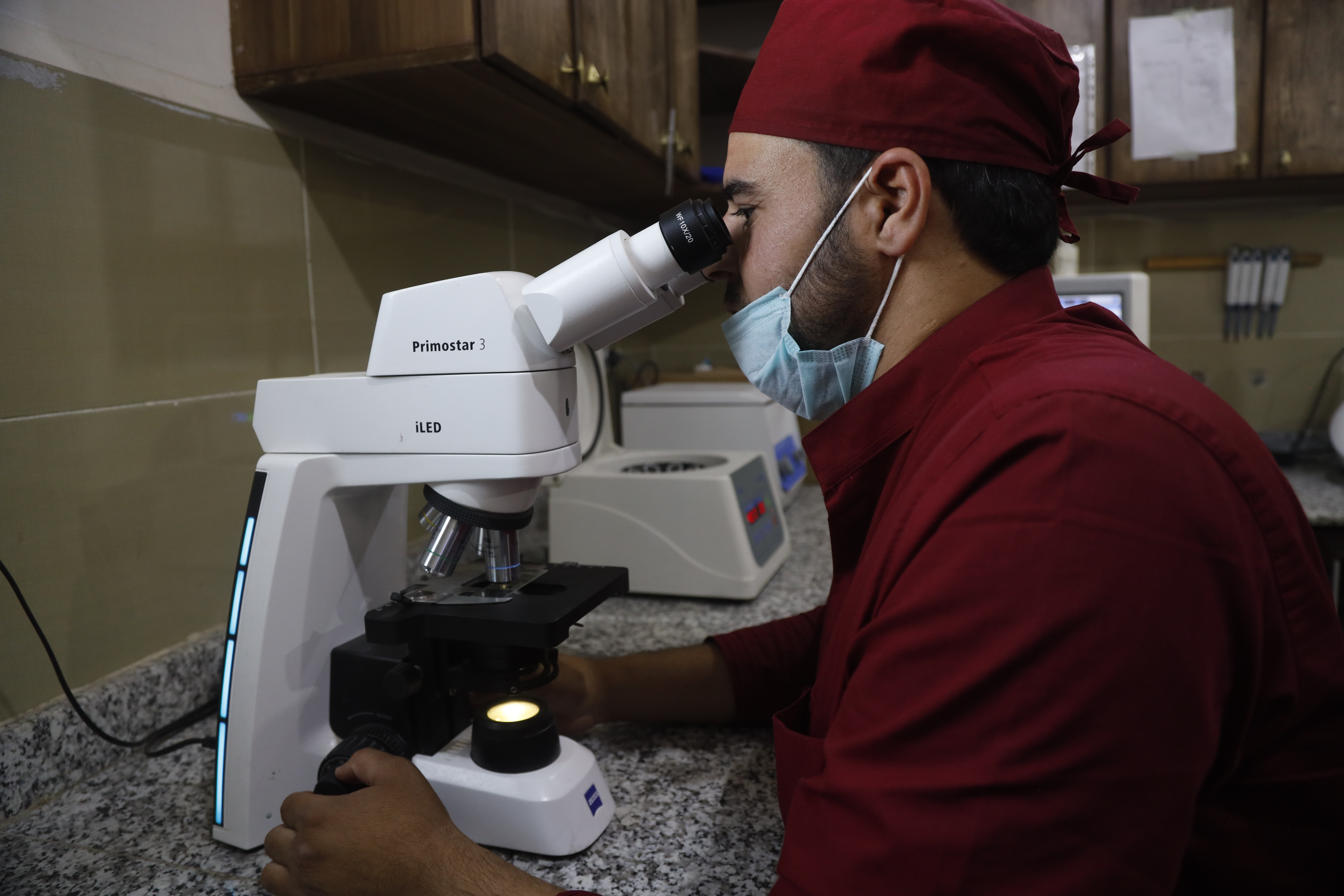
Amid the quiet hum of hospital generators and the constant bustle of patients, Nour*, a midwife and maternal health supervisor with Relief International, leads a dedicated team working against all odds. Her days are long and relentless — assisting with cesarean sections, providing prenatal check-ups, and tending to emergencies that can arise at any hour. “Each day, we handle 45 to 60 consultations,” Nour explains. “For many women here, we’re their only hope.”
One of those women is Nadia*, a 29-year-old mother of six from the village of Khasham. For years, she suffered complications during childbirth, each time leaving her more weak and uncertain.
When she arrived at the hospital one morning in labor, the team quickly realized something was wrong. After an urgent cesarean section, Nadia began to hemorrhage severely. “Her uterus was contracted. We couldn’t find the source of the bleeding,” Nour recalls. “We decided to take her back to surgery. That decision saved her life.”
During the second operation, the team found a bleeding polyp on her cervix — a condition that had gone undiagnosed for years. “Other hospitals told me nothing was wrong,” Nadia says softly. “But here, they listened. They didn’t give up.”
Working through shortages and strain
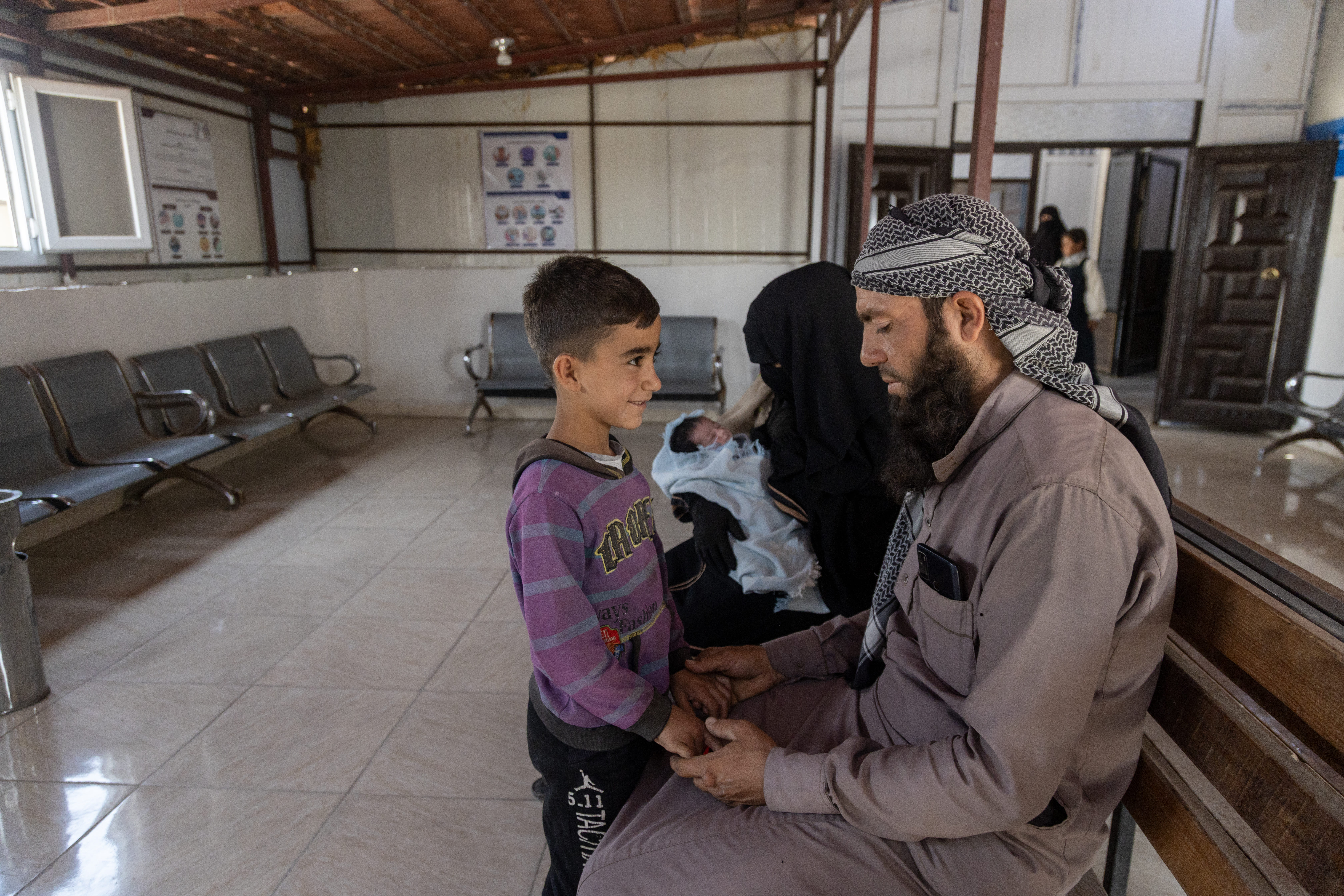
Behind every safe delivery lies immense determination. The medical staff at Relief International’s centers work through constant shortages — from essential medicines and lab supplies to something as simple as paper or electricity. “Still, we manage,” Nour says with quiet pride. “When we run out of forms, we write records by hand. When a colleague is exhausted, someone else steps in. We keep going.”
Most of the team members are from nearby communities. They share not only a workplace but also the same struggles as the families they serve. Many days start before sunrise and stretch well into the night.
“There are times when we don’t stop at all,” Nour admits. “We prioritize the urgent cases — labor, emergencies, surgeries — and delay routine care only when we must.”
A center that keeps hope alive
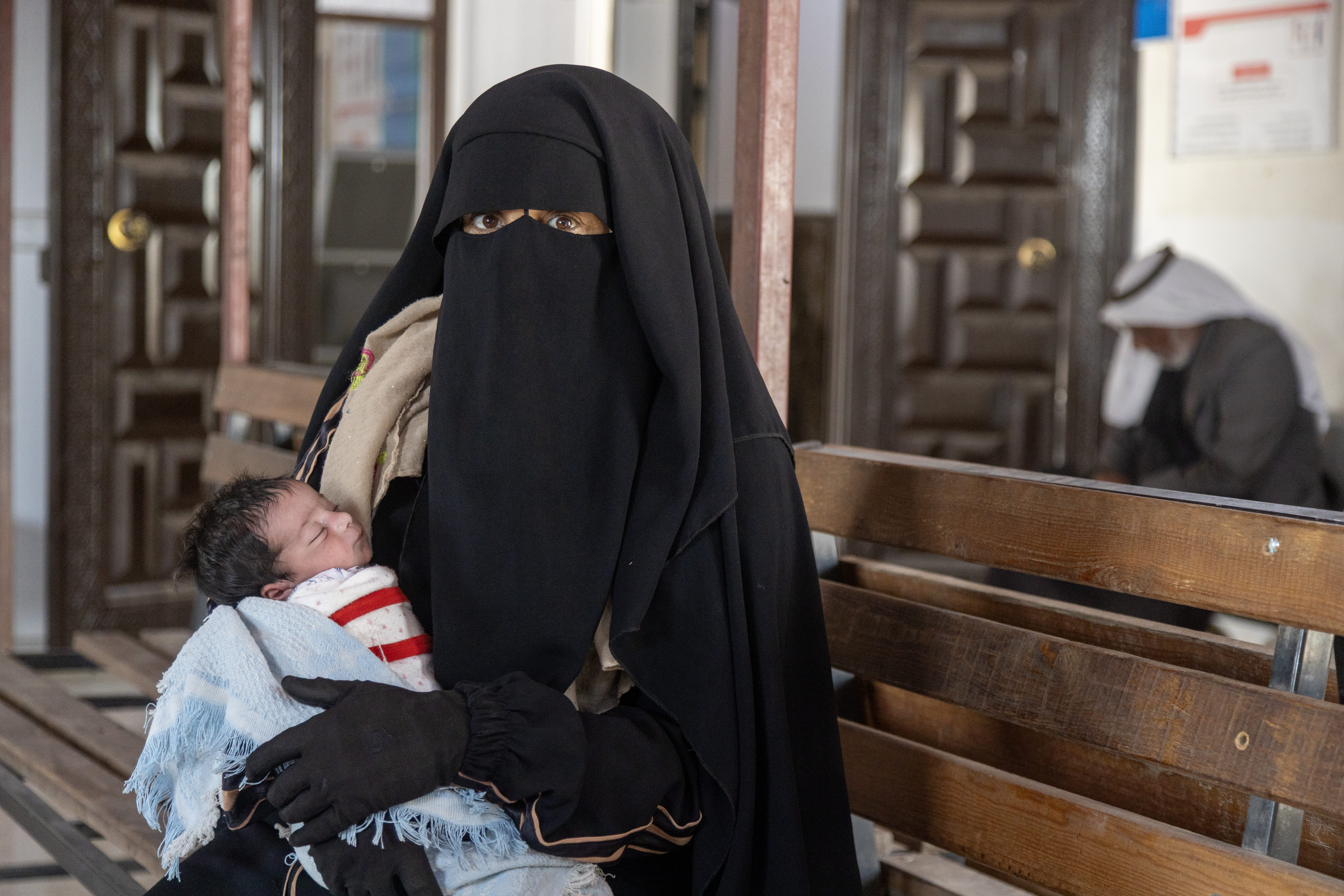
The Jadeed Bakkarah hospital is more than just a maternity unit. It’s a lifeline that offers pediatric care, general surgery, orthopedics, and neonatal services — care that is otherwise almost impossible to access in this region. Patients often travel long distances, some from as far as Deir-ez-Zor and Al-Hassakah, just to reach it.
For the families it serves, the hospital represents safety, dignity, and survival. “If this place closes, we’re lost,” a patient says. “We can’t afford private hospitals or travel far. This is all we have.”
For Nour and her team, the mission goes beyond delivering babies.
It’s about giving women a chance — a chance to survive, to heal, and to hope. “We’re not just providing healthcare,” she says. “We’re providing dignity.”
As the night settles over the quiet village, the lights inside the hospital glow steadily — a small but powerful symbol of care, resilience, and the unwavering spirit of Syria’s midwives. This life-changing work of the midwives at the Jadeed Bakkarah hospital would not have been possible without the generous support of BHA (Bureau for Humanitarian Assistance).