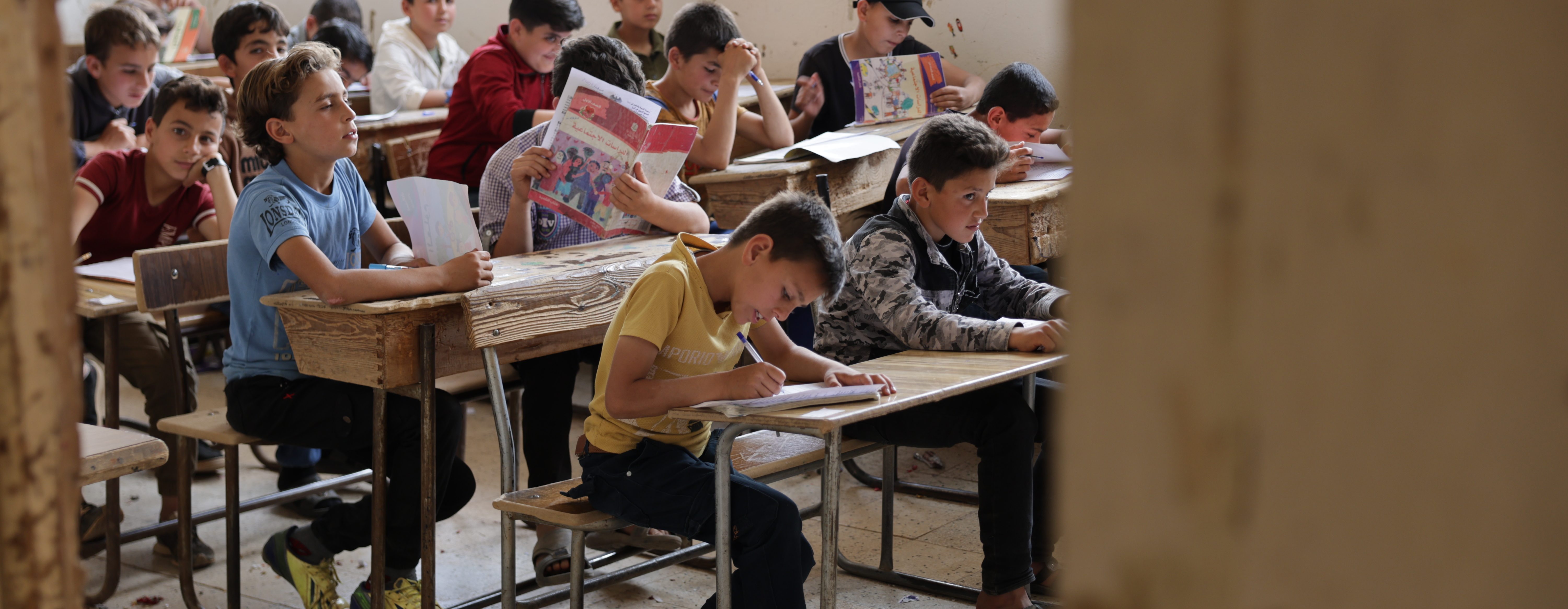
The people of Afghanistan are facing an ongoing humanitarian crisis with healthcare stretched to breaking point.
Recurrent climate shocks, damaged infrastructure, severe shortages of health workers, and declining humanitarian funding have left an already fragile health system struggling to meet the most basic needs. Today, there are just ten skilled health workers available per 10,000 people — five times less than the global average.
As Country Director, I spend much of my time making high level decisions, but there is no substitute for standing inside a health clinic, speaking directly with some of those workers delivering care.
This month I travelled to a Relief International clinic in rural Kabul not knowing exactly what I would find. Located around 90 minutes from the city, that single visit painted a vivid picture of the challenges facing communities across the country, and the extraordinary resilience of the people working tirelessly to support them.
The people keeping healthcare alive
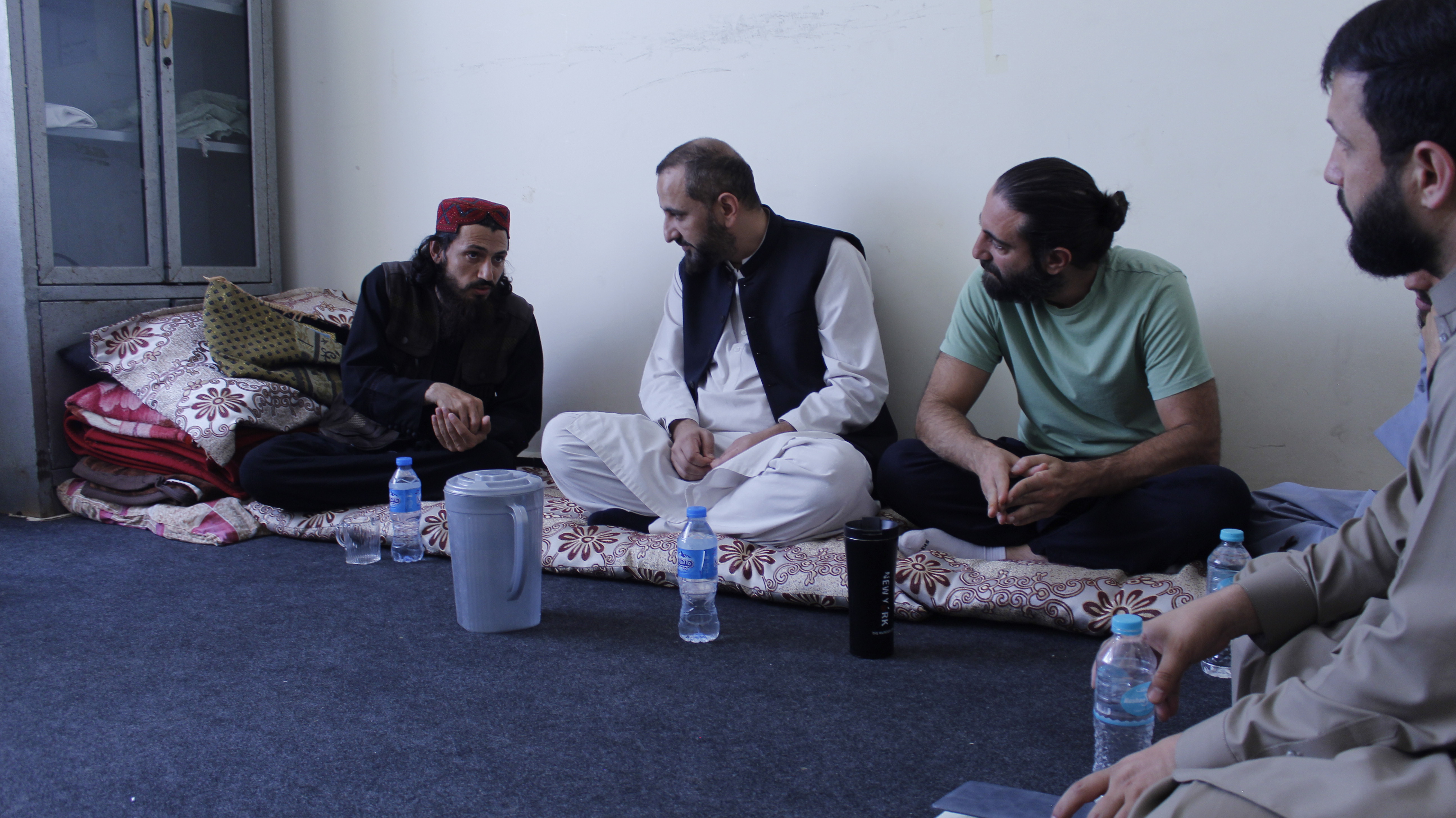
Kashif Shafique, Country Director at Relief International Afghanistan, met with the District Health Officer to discuss service delivery priorities, including a request for a female doctor to strengthen women’s access to healthcare.
Before I noticed the building itself, I noticed the quiet determination of the people inside it. A small team treat around 70 patients each day, the majority of them women.
Many of the staff travel from Kabul which takes three hours in total using public transport. Despite the distance, they continue to make the journey day in, day out because they know their absence could mean someone going without lifesaving care.
When hunger becomes a health crisis
The longer I spent speaking with staff and reviewing patient records, one concern kept surfacing time and again — malnutrition.
Every day, this facility receives very young children and pregnant or breastfeeding women in desperate need of nutrition screening, treatment, and referral.
In the past 12 months, our clinics have supported over 1.8 million people across three provinces in Afghanistan.
Malnutrition is not caused by one factor alone. It is a complex web of elements — border closures, climate crises, economic hardship, and reduced humanitarian assistance — all placing pressure on the ability of families to have enough nutritious food.
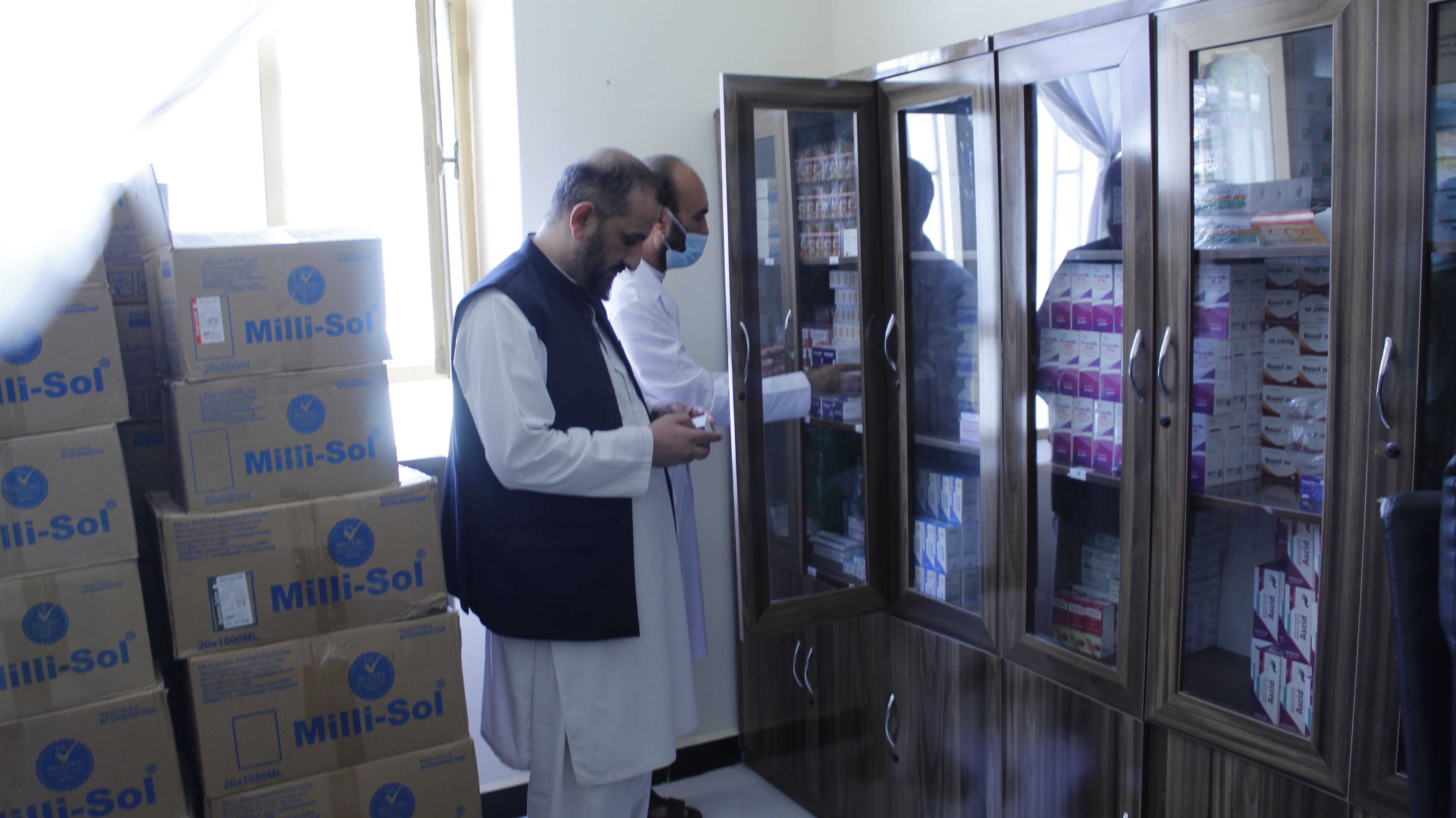
Kashif and his colleague reviewing the clinic's medicine inventory.
Strengthening care for women
Most of the patients seeking treatment that day were women, many requiring maternal and newborn care. In rural settings the availability — or lack thereof — of qualified female doctors, nurses and midwives can significantly influence whether women are able to obtain the healthcare they need.
The reality is that most women are going without due to access constraints. The country has some of the highest maternal and neonatal mortality rates in the world — with 620 women dying in every 100,000 live births and 33 newborns dying in every 1,000 during their first 28 days.
Heartbreakingly, many maternal deaths can be prevented when the required care — like prenatal support, skilled attendants during childbirth, and emergency services — are available.
Female health professionals play an indispensable role in Afghanistan’s health system. Training, retaining, and appropriately deploying qualified female professionals must remain a practical priority.
For progress to be made, sustained cooperation between Afghanistan’s health authorities, training institutions, and communities — as well as donors and humanitarian partners — is essential.
The hidden burden of psychological distress
Staff described regularly supporting patients suffering from persistent worry, difficulty sleeping, grief, and emotional distress alongside their physical health needs.
Last year, we provided mental health support to more than 70,000 people, helping individuals and families to cope.
Their reflections reinforced how important it is to integrate mental health support into primary healthcare. This approach helps us identify needs earlier, reduce stigma, and connect people with specialized services where required.
At the same time, the underlying factors causing these issues must be addressed. We cannot expect mental health to improve while factors like economic stress and widespread illness persist.
The climate crisis beyond clinic walls
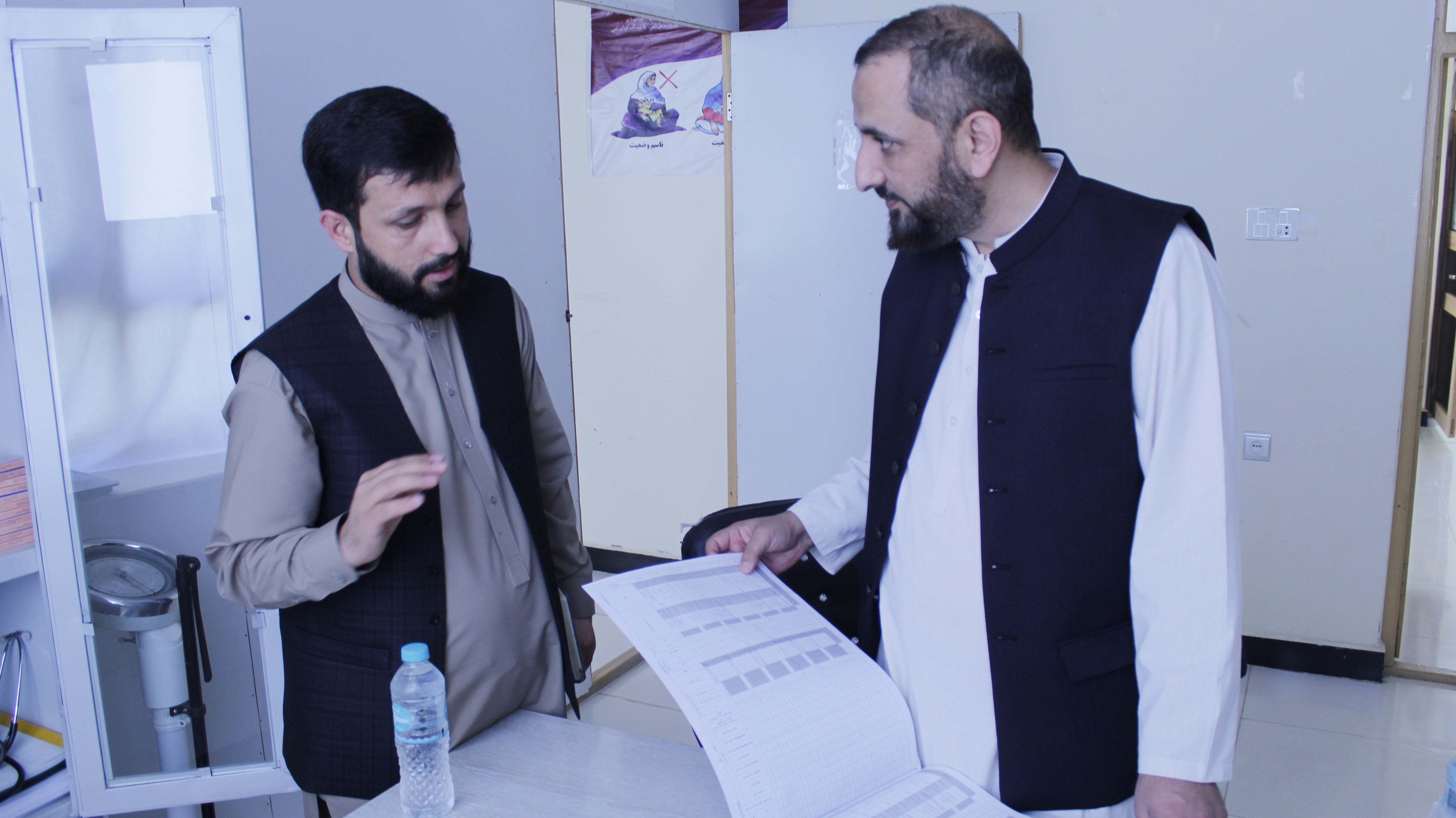
Kashif and a clinic staff member discuss the situation on the ground.
Climate shocks, including prolonged droughts and devastating floods, increase the need for healthcare. Yet they also undermine the very systems that make care possible by disrupting water supplies, transport, and other essential services.
A climate resilient approach is essential to keeping facilities operational.
Today, investing in measures such as skilled staff, solar power, water system rehabilitation, reliable medicine storage, and routine maintenance is critical to keeping clinics open and protecting patients over the long term.
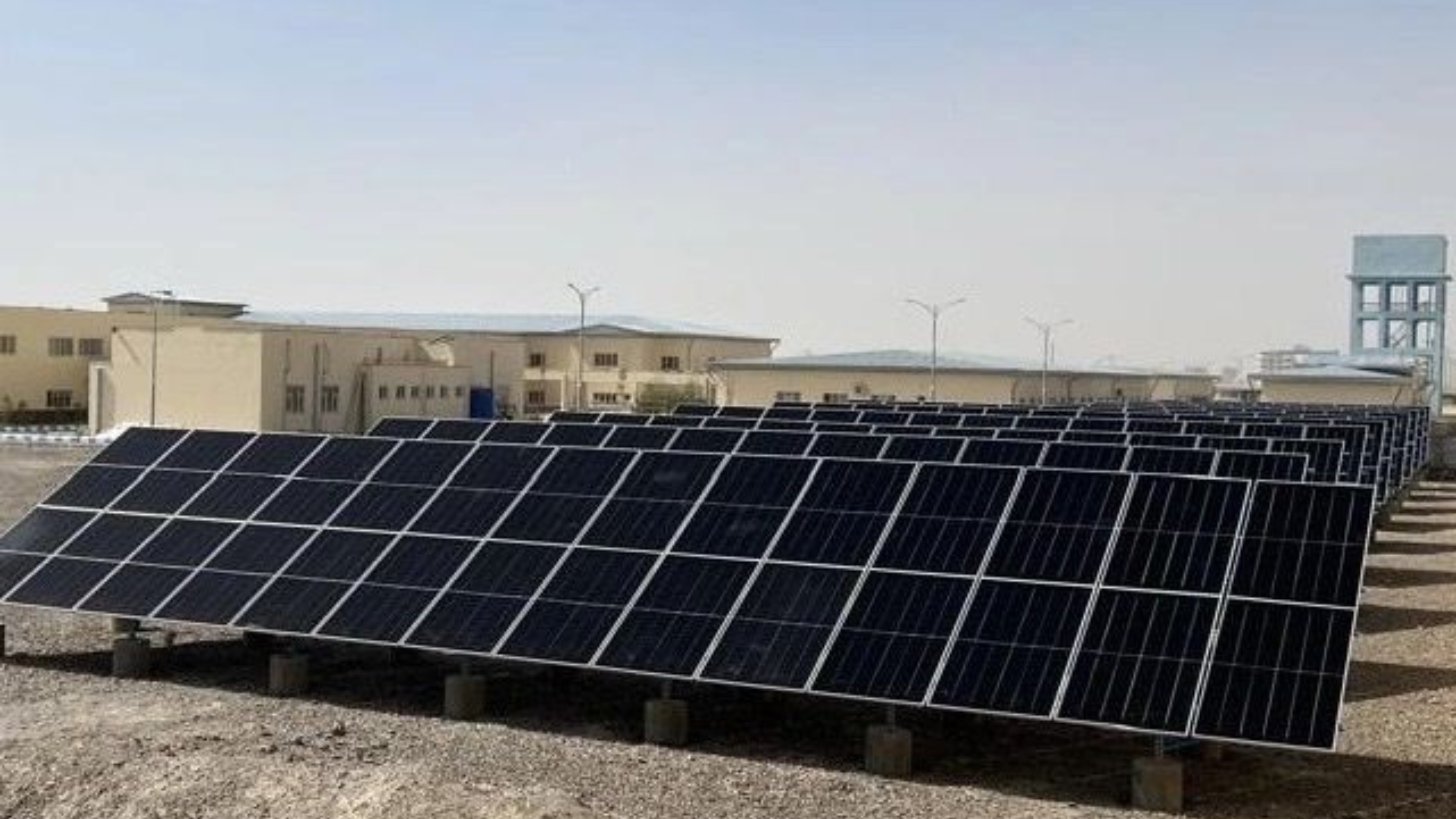
Solar panels installed by Relief International at Nimroz Provincial Hospital are helping power climate-resilient healthcare in one of Afghanistan's hottest and driest provinces.
Afghanistan cannot be forgotten
As I drove back to Kabul, I kept thinking about the people I had met that day.
The health workers who continue to show up despite long commutes and limited resources. The hungry children and expectant mothers who simply cannot access the care they need. The swathes of people in psychological turmoil.
Despite the devastating situation on the ground, humanitarian funding continues to shrink, and since 2025, more than 400 health facilities have been forced to close.
Afghanistan must remain a priority for the international community.
We require sustained and predictable support that is shaped by community needs to keep facilities operational, strengthen the Afghan health workforce, and protect the health of populations for years to come.
The health workers I met that day remain committed to their communities. They have not given up on the future of Afghanistan, and neither should we.