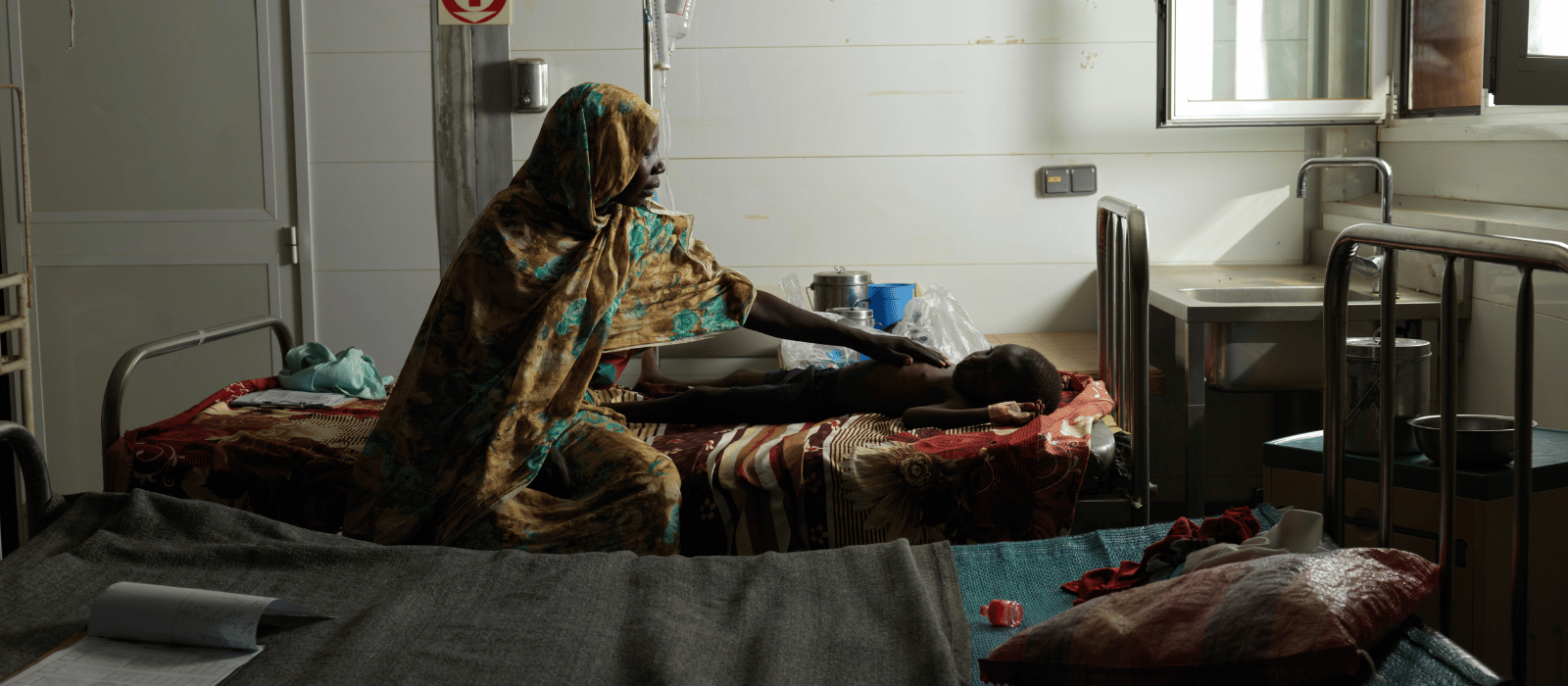
Following a brutal two-day assault on the city of El Fasher, North Darfur, hundreds of civilians have reportedly been killed and thousands remain missing. Many are displaced, with families forced to flee on foot in search of safety.
International non-profit Relief International operates more than 130 health facilities across Sudan, however humanitarian organizations have had extremely limited access to El Fasher for 18 months due to the ongoing siege on the city.
Kashif Shafique, Country Director at Relief International Sudan says, “Prior to this tragic assault, an estimated 250,000 civilians trapped in El Fasher had been subjected to disastrous humanitarian conditions including a dire shortage of basic supplies and relentless bombardment that claimed many civilian lives.”
“Right now many people are arriving to locations like Tawila, Al Malha, Melit, and Kosti with no possessions and in desperate need of humanitarian support. Terrifyingly hundreds of thousands are still missingand unaccounted for. It will take some families weeks to reach safe havens; a lot of people who were already severely malnourished are in open deserts without enough to eat or drink.
“Relief International teams are doing everything we can to provide life-saving healthcare, however the locations receiving an influx of displaced people were already severely overwhelmed with nowhere near enough resources.”
Dr Zahra is part of Relief International’s mobile team in Tawila which provides health, nutrition, sanitation, protection, and livelihood strengthening services to displaced communities.
Dr Zahra says, “The near collapse of the health system in Sudan is leaving the few remaining facilities overwhelmed. Even prior to the latest surge of displacement from El Fasher, the number of health consultations our teams were delivering often surpassed 80—and at times 100—patients per day, stretching both staff and resources.”
“Please help bring an end to this ongoing war. People here are starving and dying from preventable diseases. Every day, children who arrive at our clinics could survive—if only the right treatment and nutrition was available,” she pleads.
With violence only intensifying and locations throughout the country at imminent risk, humanitarian organizations like Relief International are calling for an urgent scale up of support and supplies, alongside safe and unimpeded access to affected communities.
Kashif continues, “Over 30 million Sudanese people require humanitarian assistance including nearly 15 million children, and the situation is only getting worse. Every day, conflict, famine and diseases are claiming even more lives. The world must not look away from Sudan. The international community—including governments and donors with the means and power—must act.”