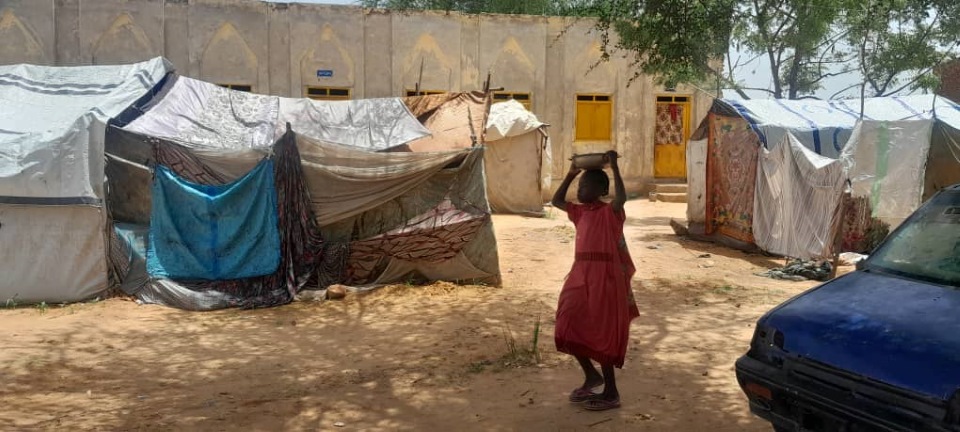
Relief International says these alarming results are indicative of the deteriorating malnutrition crisis across Sudan and that an emergency response which meets the scale of need is required immediately.
- According to Relief International’s survey, more than 1 in 3 children (34.2%) are acutely malnourished in Melit (1), meaning thousands of children under five are at a high risk of severe illness and death
- 41.8% of children were classified as underweight and the rate of child morbidity was 45.1%, meaning almost half of the children screened were ill in the two weeks before the survey. The most common illnesses were a fever, acute respiratory infections and diarrhea
- Relief International’s Health and Nutrition Technical Advisor Edith Muturi says, “This is the worst rate of malnutrition I have ever seen”. The organization is calling for a proportionate emergency response and safe humanitarian access to prevent even more premature deaths and lifelong health consequences in Sudan.
Thousands of children at high risk of severe illness and death
Findings from a Relief International survey conducted in the North Darfur district of Melit last month reveal that more than 1 in 3 children under five are acutely malnourished, meaning that more than 6,500 children are at a high risk of severe illness and death (2).
The organization, which is currently operating 37 health facilities in Sudan, says these alarming results are indicative of the malnutrition crisis that is deteriorating across the country.
Risk of famine
As a result of ongoing conflict and displacement as well as restricted humanitarian access and limited funding, over 80% of Melit’s population is facing “crisis” levels of food insecurity, according to the Integrated Food Security Phase Classification (IPC), and 20% is at risk of famine.
Relief International’s survey also revealed that the malnutrition crisis is worsening at an alarming pace, with the Global Acute Malnutrition (GAM) rate—which indicates what percentage of children under five are acutely malnourished—rising from 27.9% to 34.2% in just 12 months.
Relief International is currently supporting eight health facilities in the district, providing life-saving health, nutrition, and sanitation services. However, it says the needs are overwhelming, and more support is required immediately.
Edith Muturi, Health and Nutrition Technical Advisor at Relief International says: “After almost two and a half years of brutal warfare, communities across Sudan are suffering from a level of malnutrition that is already beyond critical. GAM rates of over 15% indicate a nutrition emergency, so a rate of more than 30%—1 in 3 children—is devastating. It is the worst rate of malnutrition I have ever seen.
Edith continues, “Without immediate action, we will see a generation of Sudanese children either facing premature death or suffering long-term health consequences such as physical stunting, cognitive impairments, weakened immune systems, and increased risk of chronic disease. It is heartbreaking because malnutrition is treatable, yet we simply do not have enough supplies.”
Essential supplies and services urgently needed
Relief International says a rapid scale-up of essential supplies and services is urgently needed. This includes Ready-to-Use Therapeutic Food (RUTF) to support community-based treatment of children with severe acute malnutrition, Targeted Supplementary Feeding Programs (TSFPs) to prevent the deterioration of moderate acute malnutrition, and increased personnel and medical supplies to effectively treat cases of severe acute malnutrition.
The organization says funding for services that prevent malnutrition is also essential. This includes general food assistance, Blanket Supplementary Feeding Programs (BSFPs) which provide specialized food for vulnerable people, and Infant and Young Child Feeding (IYCF) counselling which supports mothers to feed their babies optimally.
Limited humanitarian funding and access
Due to restrictions imposed by warring parties, areas like Melit have not received nutrition supplies for over 12 months. Another Relief International survey conducted in the North Darfur locality of Al Malha in January revealed 40% of children were suffering from stunting, yet supplies have not reached the area for eight months.
Meanwhile as mass displacement continues, food scarcity is set to deteriorate even further in Tawila, where hundreds of thousands of people have already been forced to relocate because of ongoing brutality in North Darfur.
Kashif Shafique, Relief International Sudan Country Director urges: “It is devastating that 1 in 3 children are suffering from acute malnutrition in areas in Sudan. Our teams are making every effort to deliver life-saving assistance, however an emergency response that is proportionate to the massive scale of need is required without delay."
“The international community—including governments and donors with the means and power—must act. Humanitarian organizations require a surge of nutrition supplies, and for warring parties to grant safe and unimpeded access to affected communities. We must not look away; Sudan’s children deserve a future.”
(1) 563 children screened.
(2) Based on a population of 19,653 children under five.