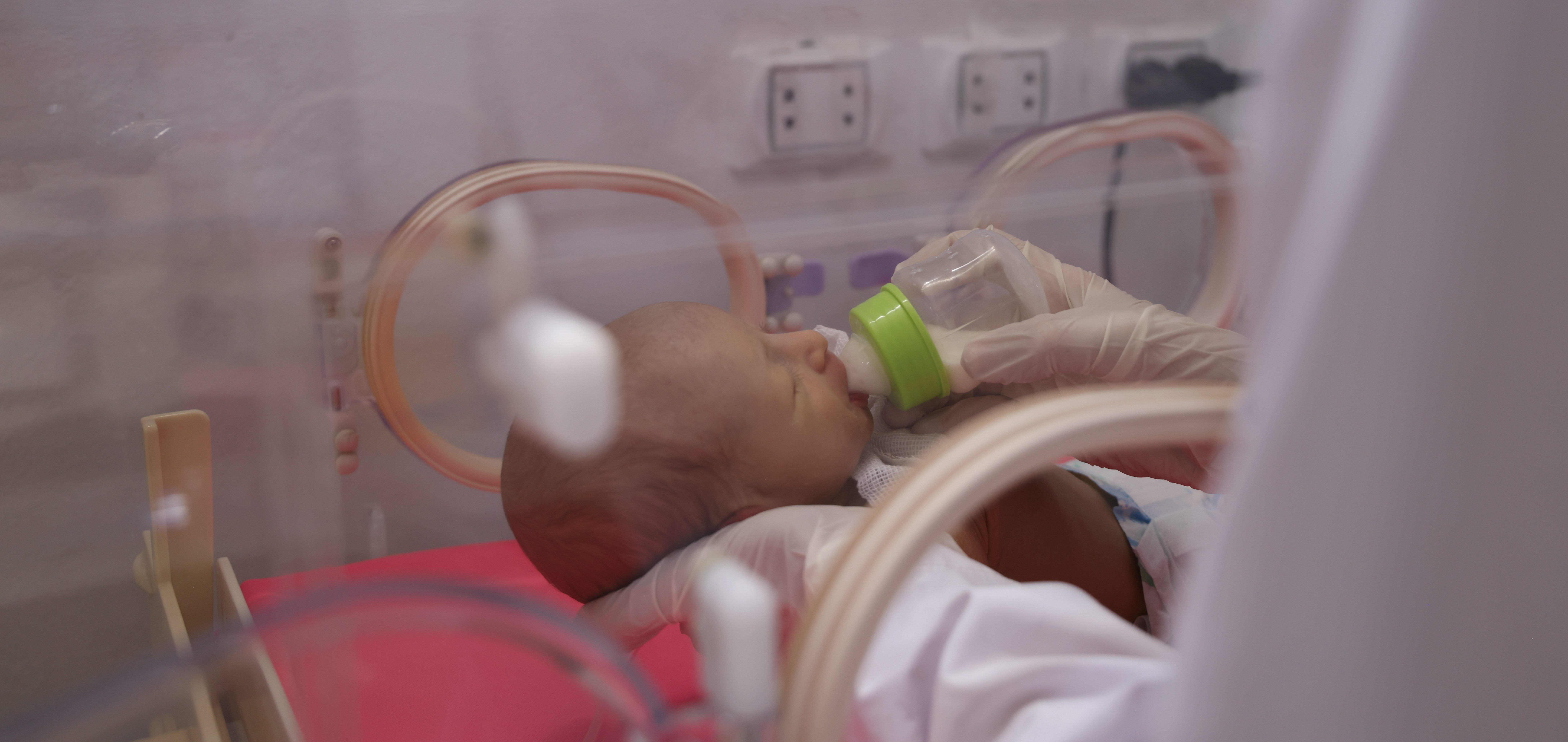
At Al-Nour Hospital in northern Syria, two health workers work in tandem.
Midwife Amal accompanies women through childbirth, monitors their condition after delivery and supports newborns in their first hours of life. Part of her job is recognising the complications that require immediate medical intervention.
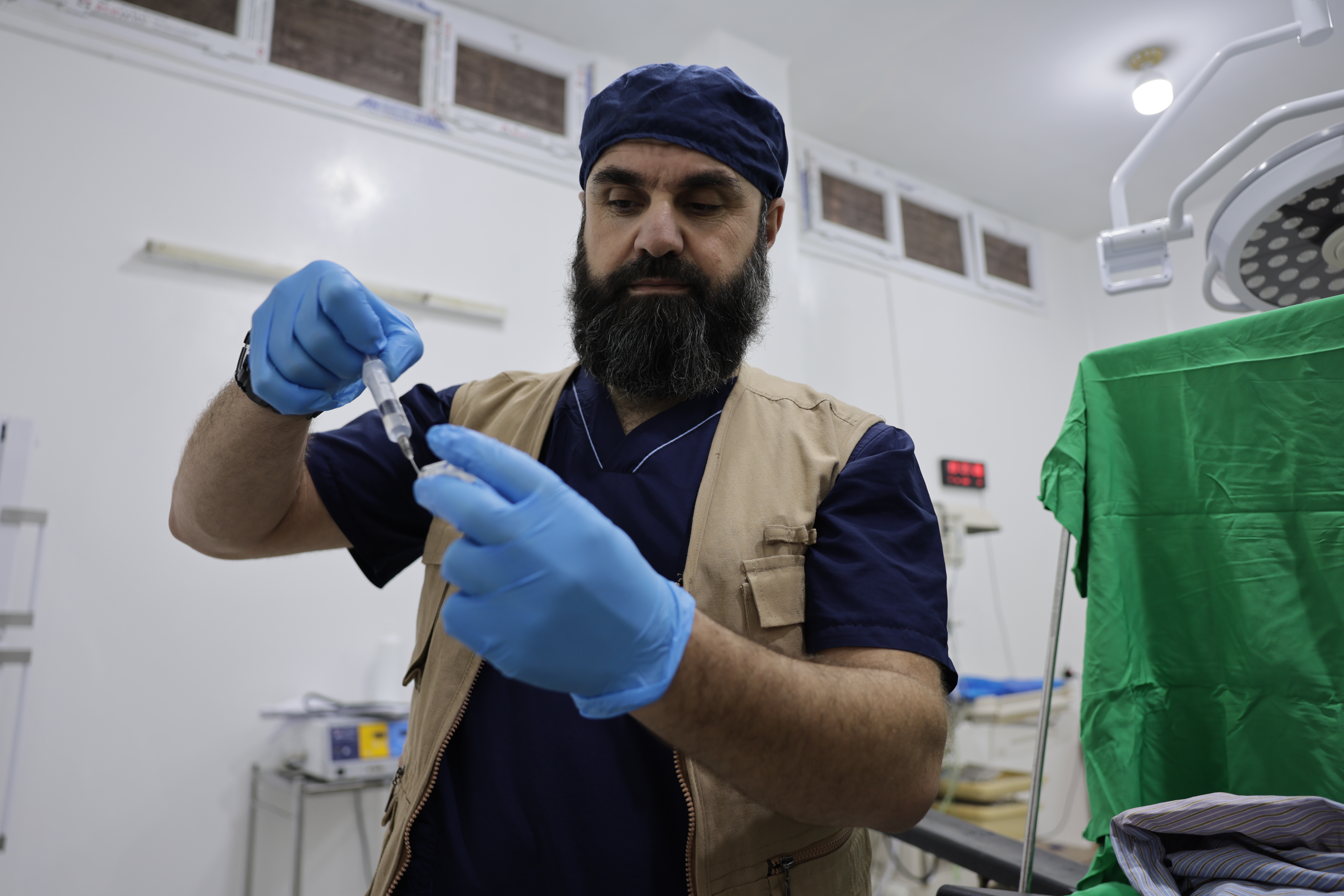
Anesthesia technician Mustafa is there to step in when complications arise and when caesarean sections are warranted.
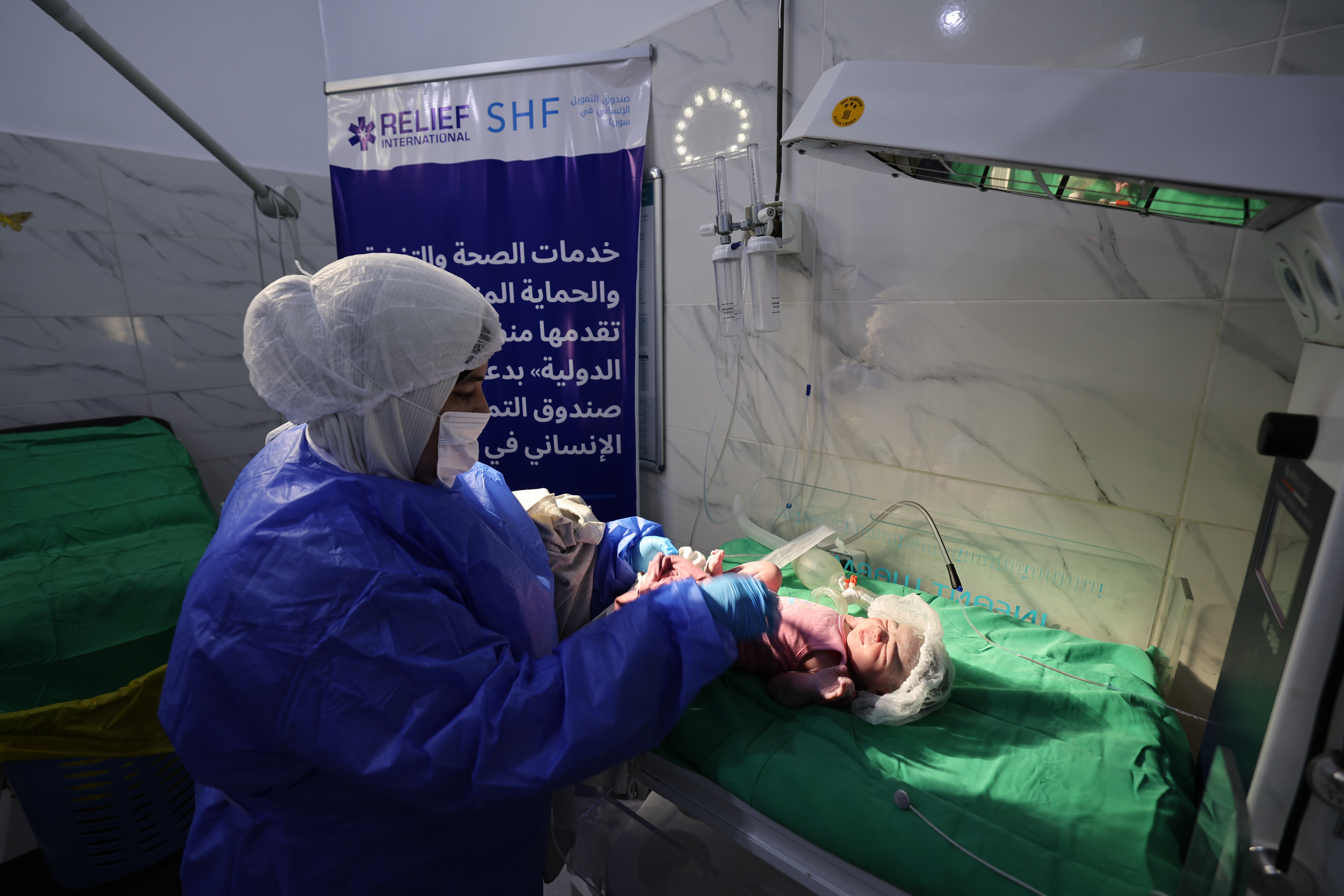
For Amal, the most stressful moments come when a newborn’s life is at risk. If a baby’s heart rate drops, the team must act quickly, either to help the delivery along or to arrange an emergency caesarean section.
“The moment the baby is safely delivered brings immense relief,” she says.
An emergency caesarean is often where Mustafa’s preparation counts most. “We sometimes encounter life-threatening emergencies involving the mother or the baby, including severe bleeding,” he says. “In such cases, we must intervene as quickly as possible.” He also assists the maternity team when newborns show signs of distress.
Responding quickly depends on having the right supplies on hand, especially endotracheal intubation equipment to maintain an open airway and spinal anesthesia medications for pain control. “Without these essential tools, the team cannot safely perform many procedures,” the 40-year-old technician explains.
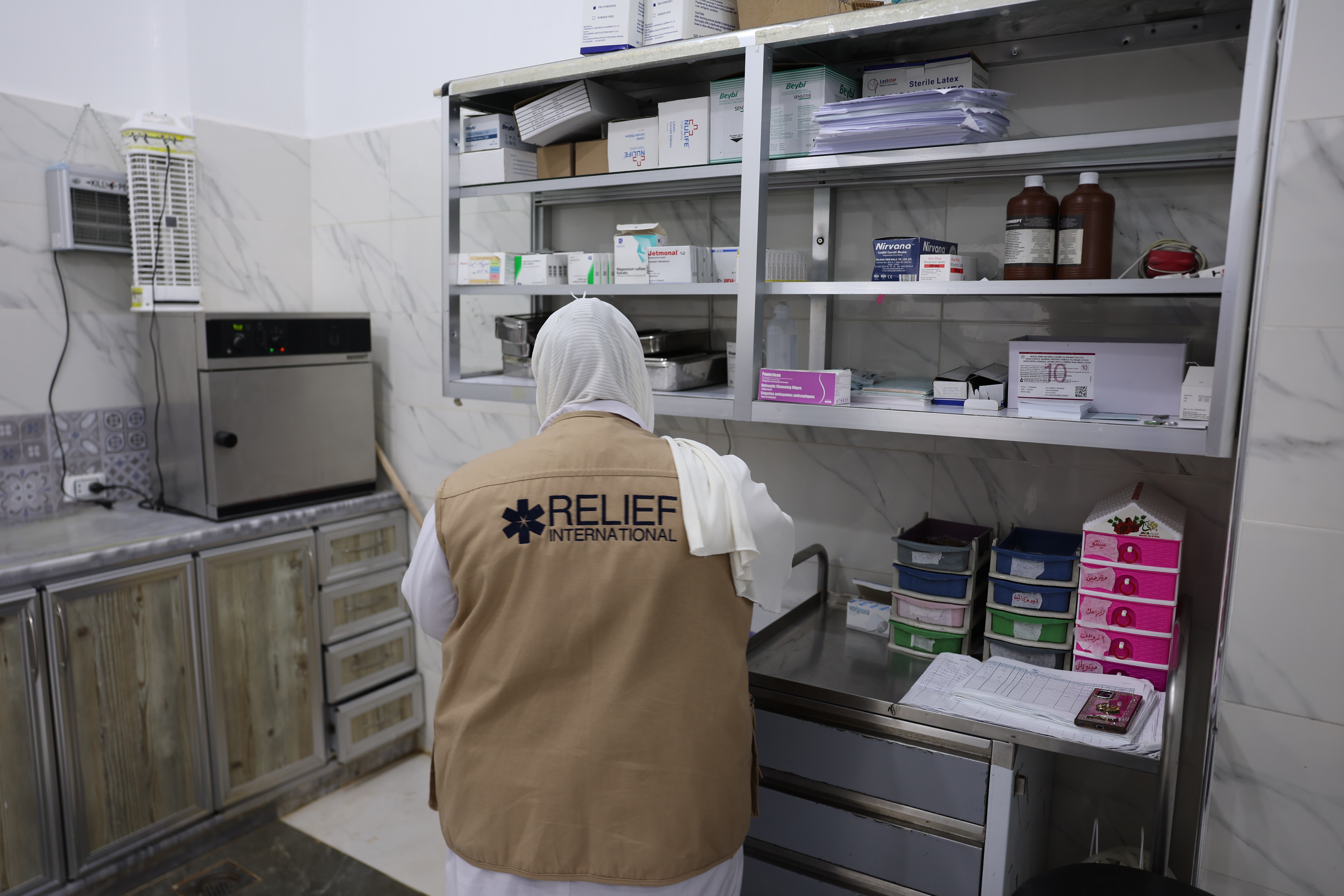
Amal prepares for a medical consultation at Al-Nour Hospital.
© Frontline in Focus
A hospital with many lives
Amal and Mustafa describe Al-Nour as a hospital that has changed for the better thanks to a decade of support from Relief International.
Alma remembers the old facility as small, with limited equipment. The new hospital has more resources to support safer deliveries for a population of around 25,000.
“Now, there are several ultrasound machines, compared with just one previously, and each delivery room now has access to one,” she says. “A Doppler device has also recently been installed in the operating room, and the hospital has begun offering polio vaccinations.”
These improvements, coupled with upgrades to the labour and delivery ward, operating theatre and neonatal unit, have strengthened maternity services and enabled better care for women through every stage of pregnancy.
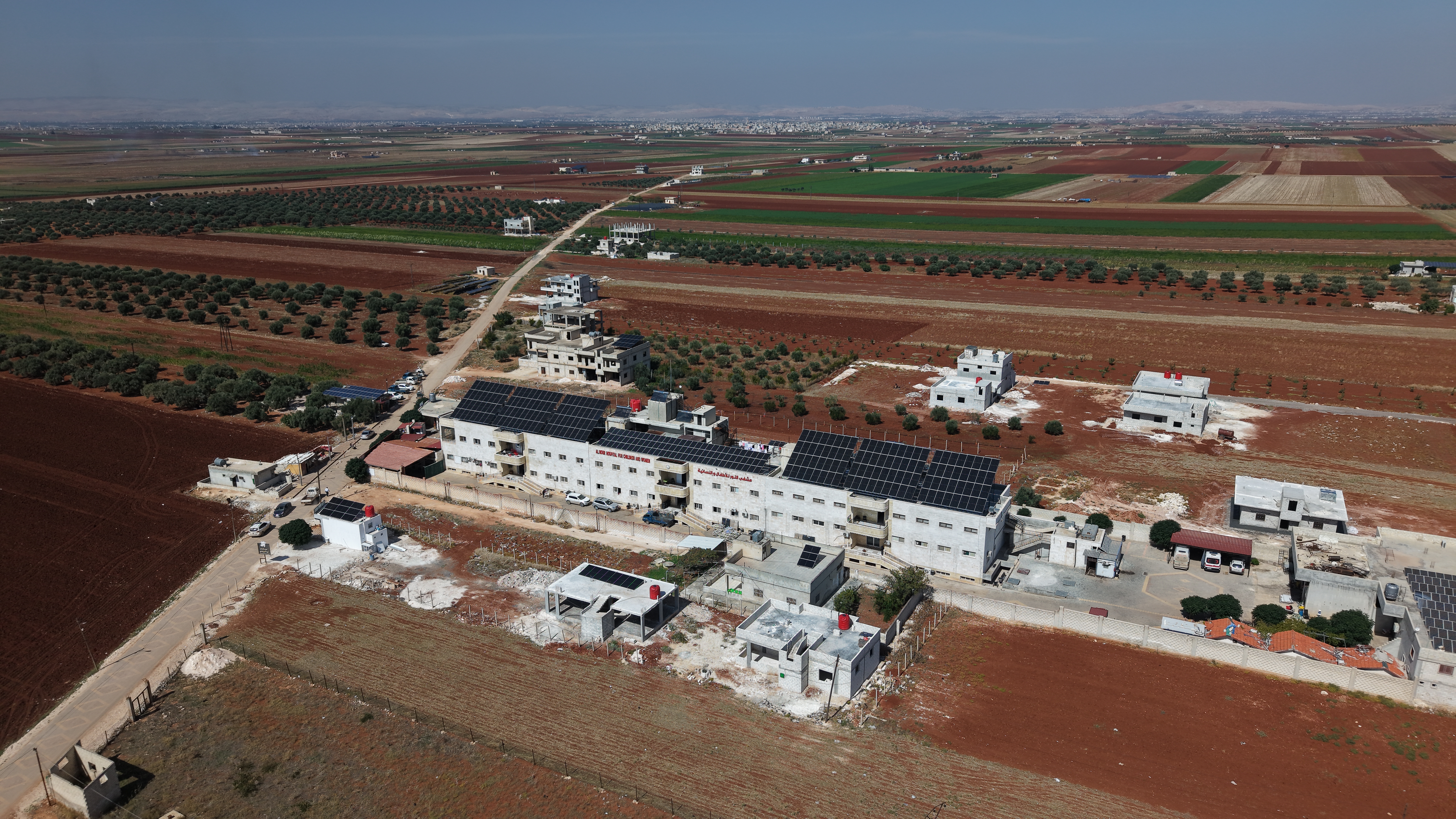
Al-Nour Women and Girls Hospital is located in Northern Syria.
© Frontline in Focus
Critical gaps persist
Gaps nonetheless remain. Among the most pressing is the shortage of neonatal incubators. When one is unavailable, Amal explains, families may have to search several hospitals for appropriate care, and those who cannot afford private treatment face especially difficult choices. Some women also struggle to reach services because of transport expenses given rising fuel costs or concerns about the quality of care available in less equipped facilities.
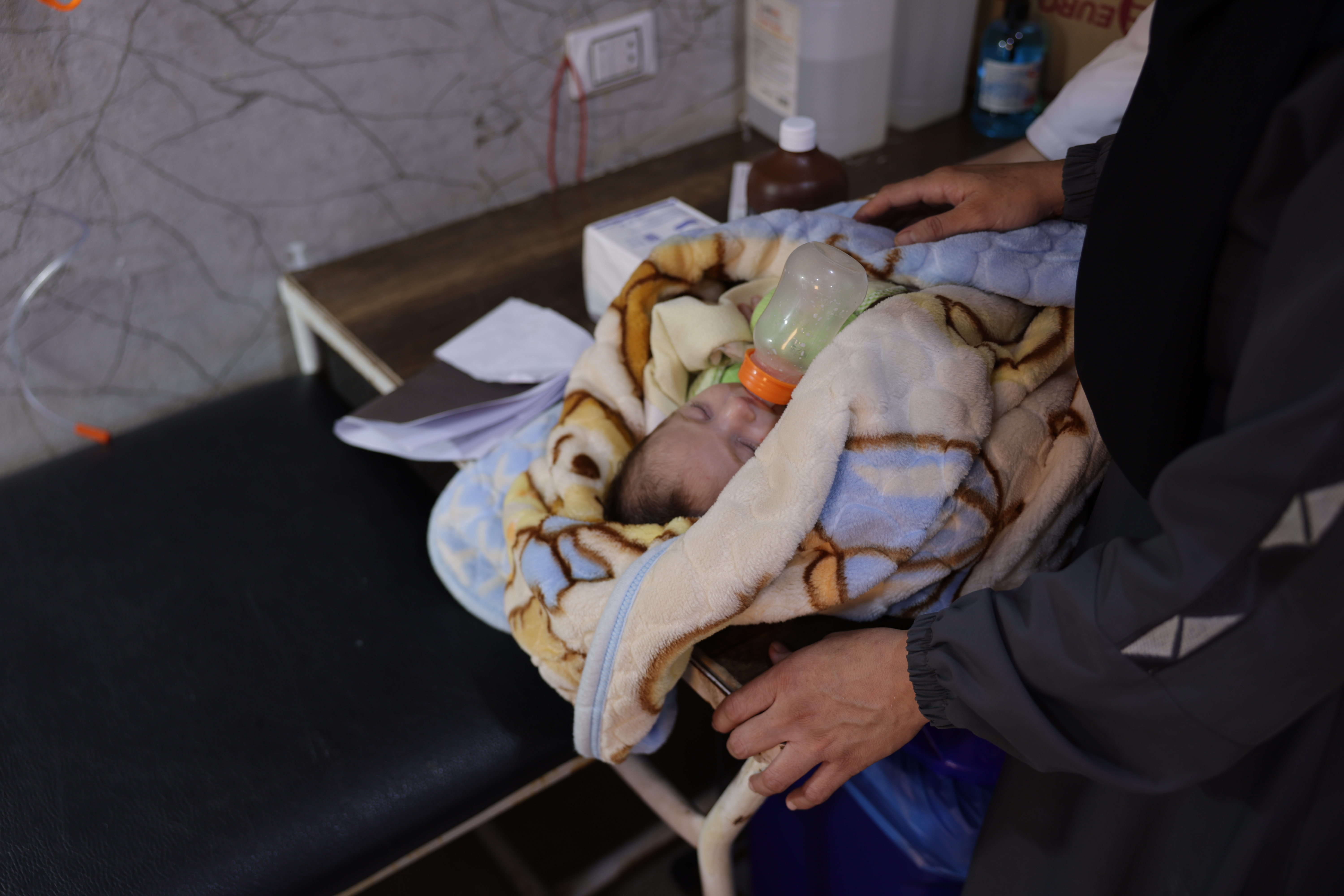
Staff, too, are under strain from heavy workloads, shortages of specialists, and the constant need to respond to emergencies.
In maternity care, where complications can escalate rapidly, saving lives depends on trained staff, functioning equipment, and high-quality supplies being readily available.
Women’s health as a priority
Across Syria, safe delivery begins with proper care during pregnancy, regular clinic visits, and access to necessary medications. “After childbirth, we encourage breastfeeding, monitor mothers’ health and ensure that newborns are kept warm, particularly during winter. We also remain attentive to the emotional challenges some women experience after delivery,” explains Amal. Relief International offers psychosocial support and runs support groups for women to accompany their journey into motherhood.
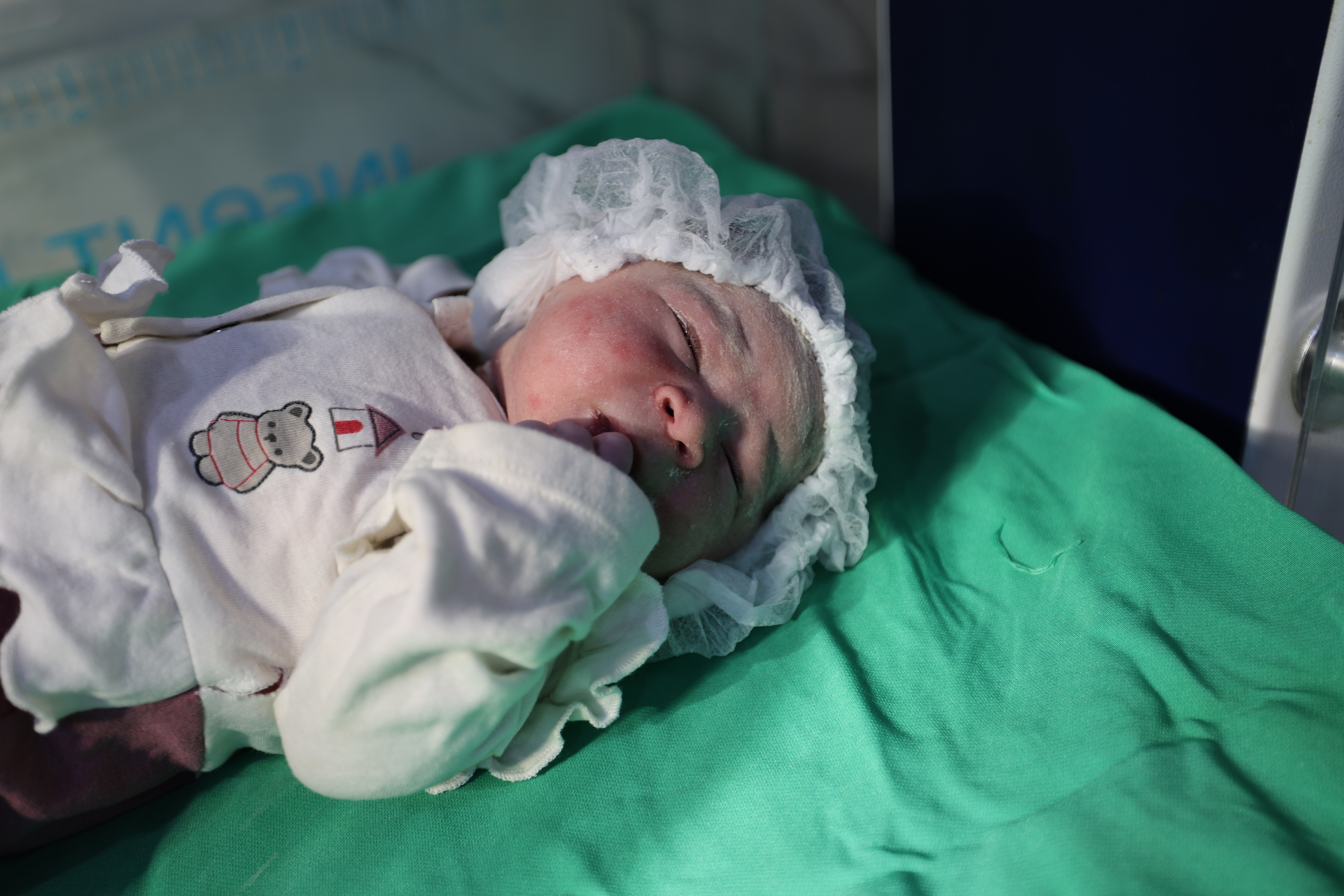
A newborn baby was delivered by Amal, Mustafa, and colleagues at Al-Nour Hospital in October 2026.
© Frontline in Focus
The end of 14 years of conflict has brought relief to Syrians across the country. Yet, rehabilitating infrastructure and restoring access to healthcare, including maternal health, requires sustained and large-scale investment by Syrian authorities with support from the international community.
“People think that once the war ends, everything is over, but that is not the case,” Amal says. “We need at least ten years to recover fully.”
This healing begins with healthy mothers and babies whose arrival brings optimism and hope for Syria’s future. “Every day, welcoming healthy newborns into the world is a wonderful thing, both for mothers and for society as a whole,” she says.
Over the past six months, Relief International teams funded by the Syria Humanitarian Fund have delivered over 3,000 babies at Al-Nour Hospital and provided consultations to support safe births, family planning, mental health, nutrition, and disease management for 38,800 people across the surrounding area.