From small remote clinics to a large provincial hospital, Valerie witnessed how Relief International is positively changing lives for families who have long struggled to access even basic healthcare.
Valerie met local staff and community members whose stories reflect profound hardship and extraordinary resilience.
The reality of daily life for rural mothers
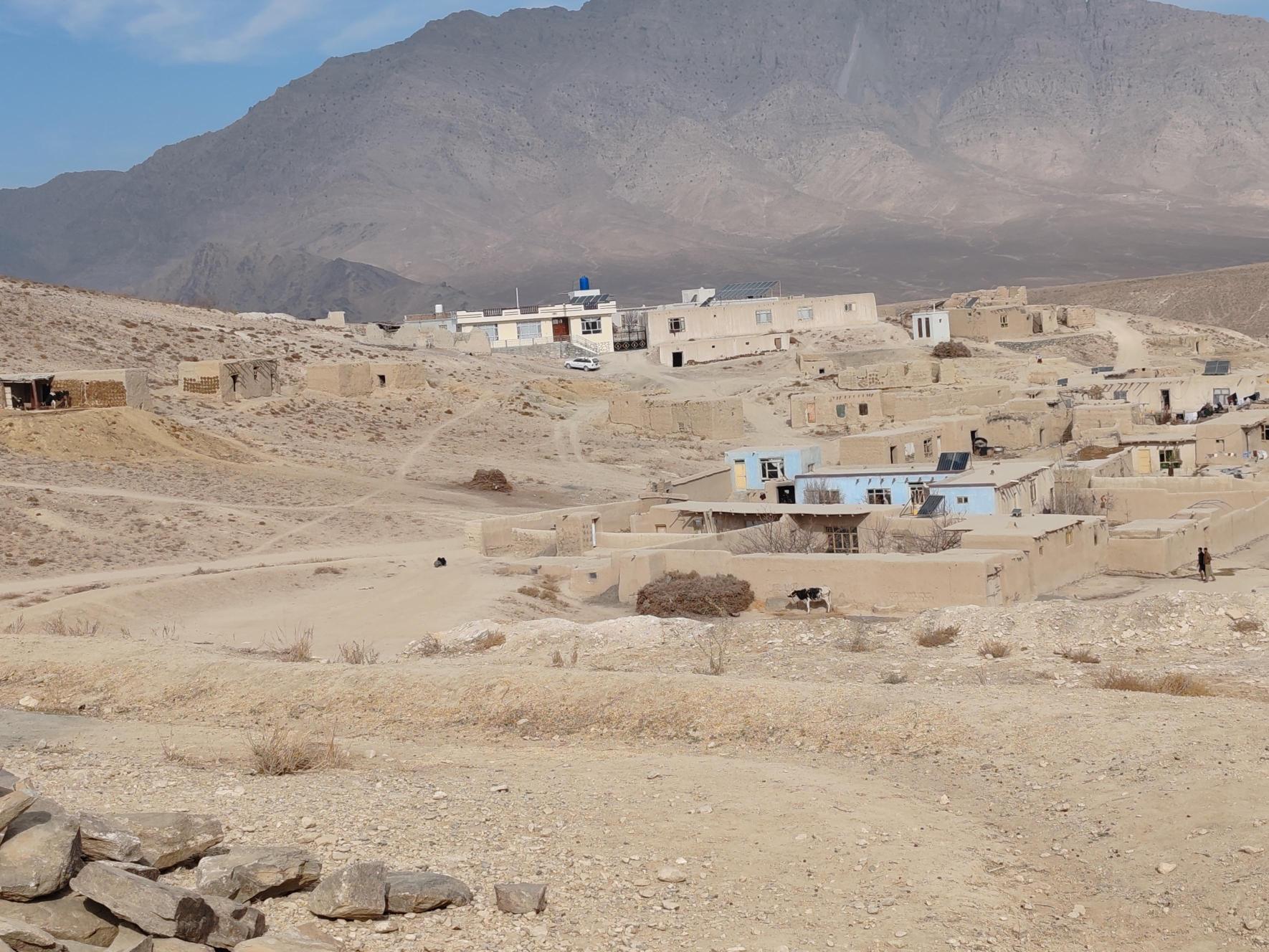
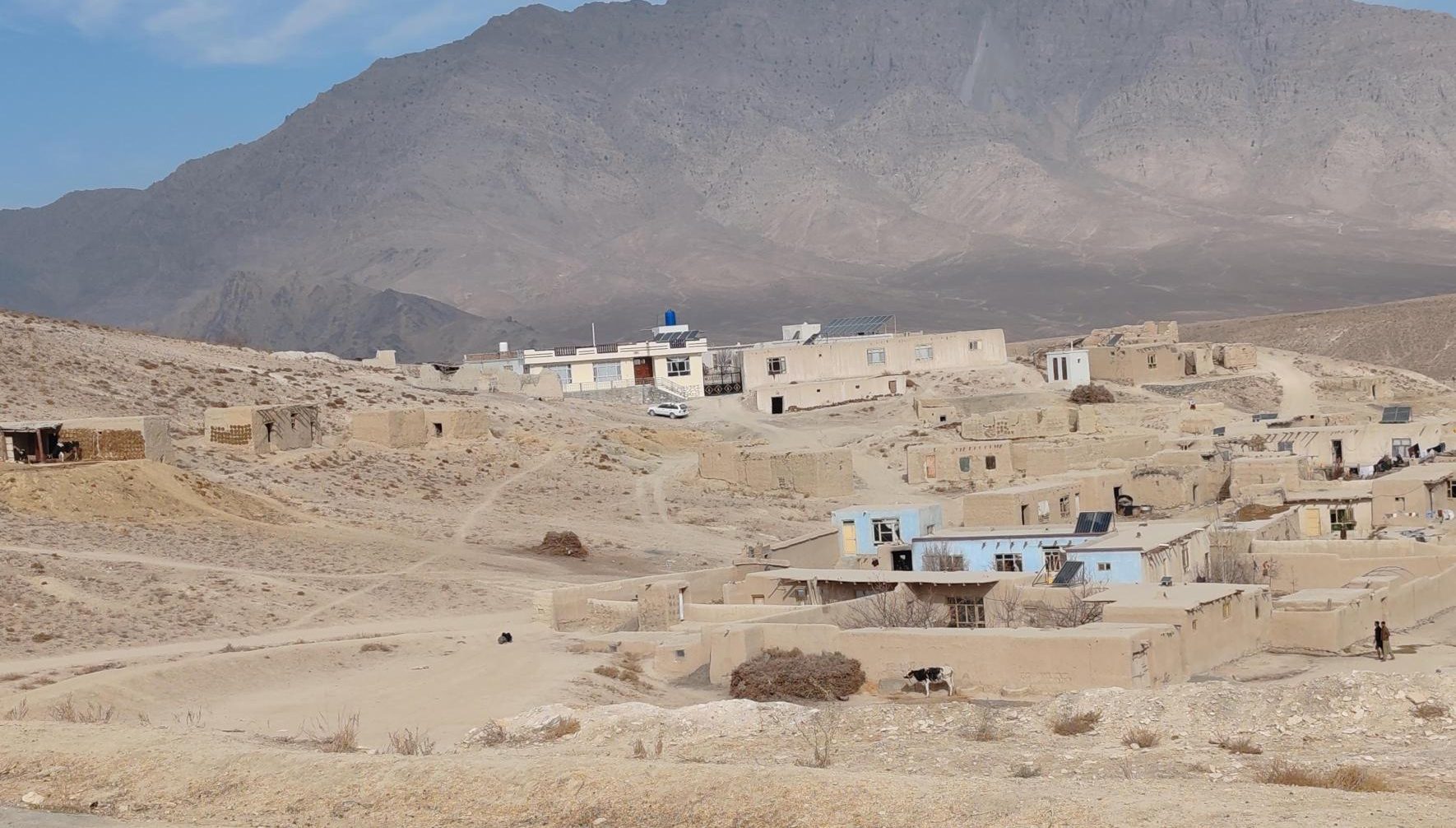
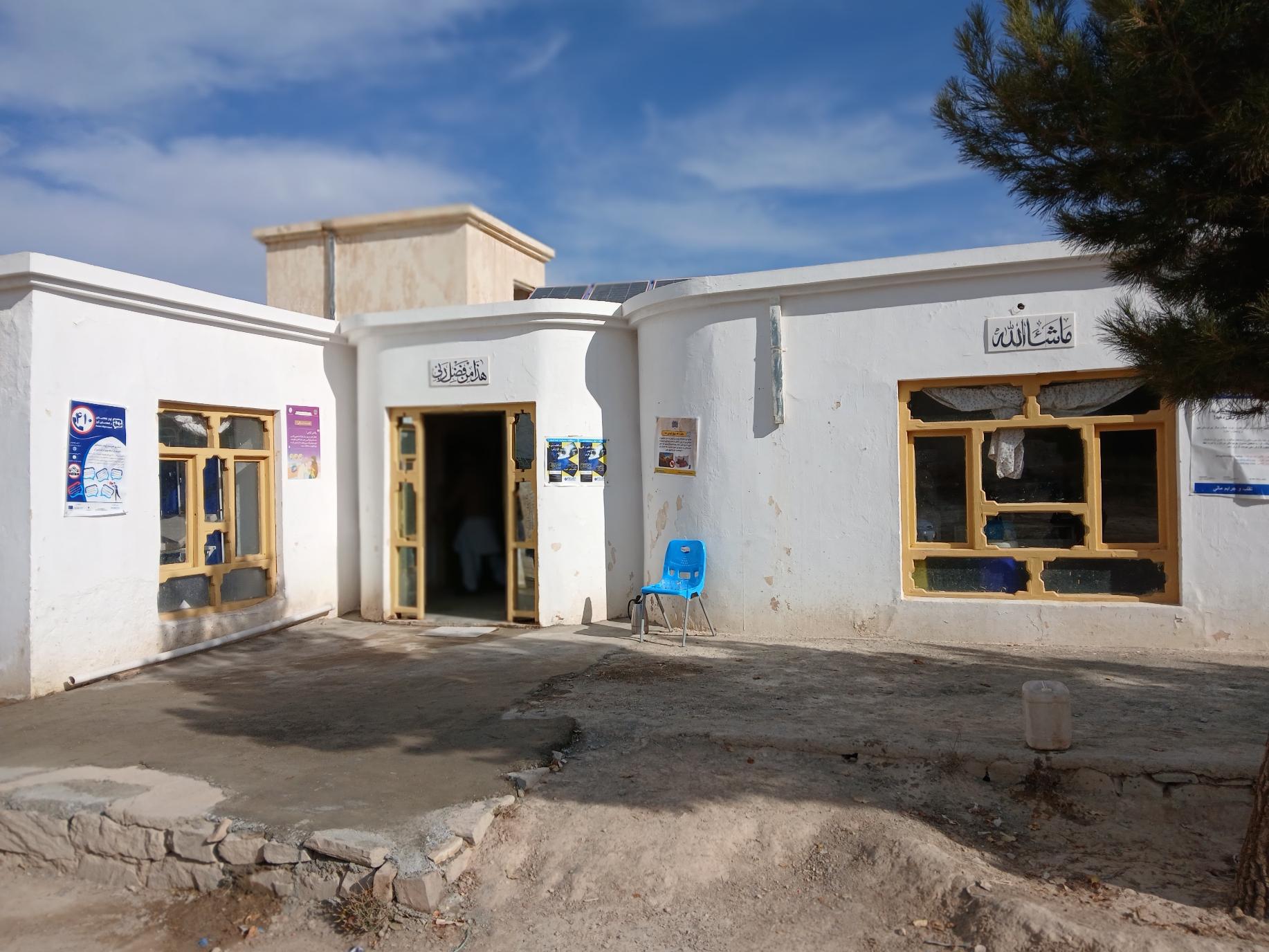
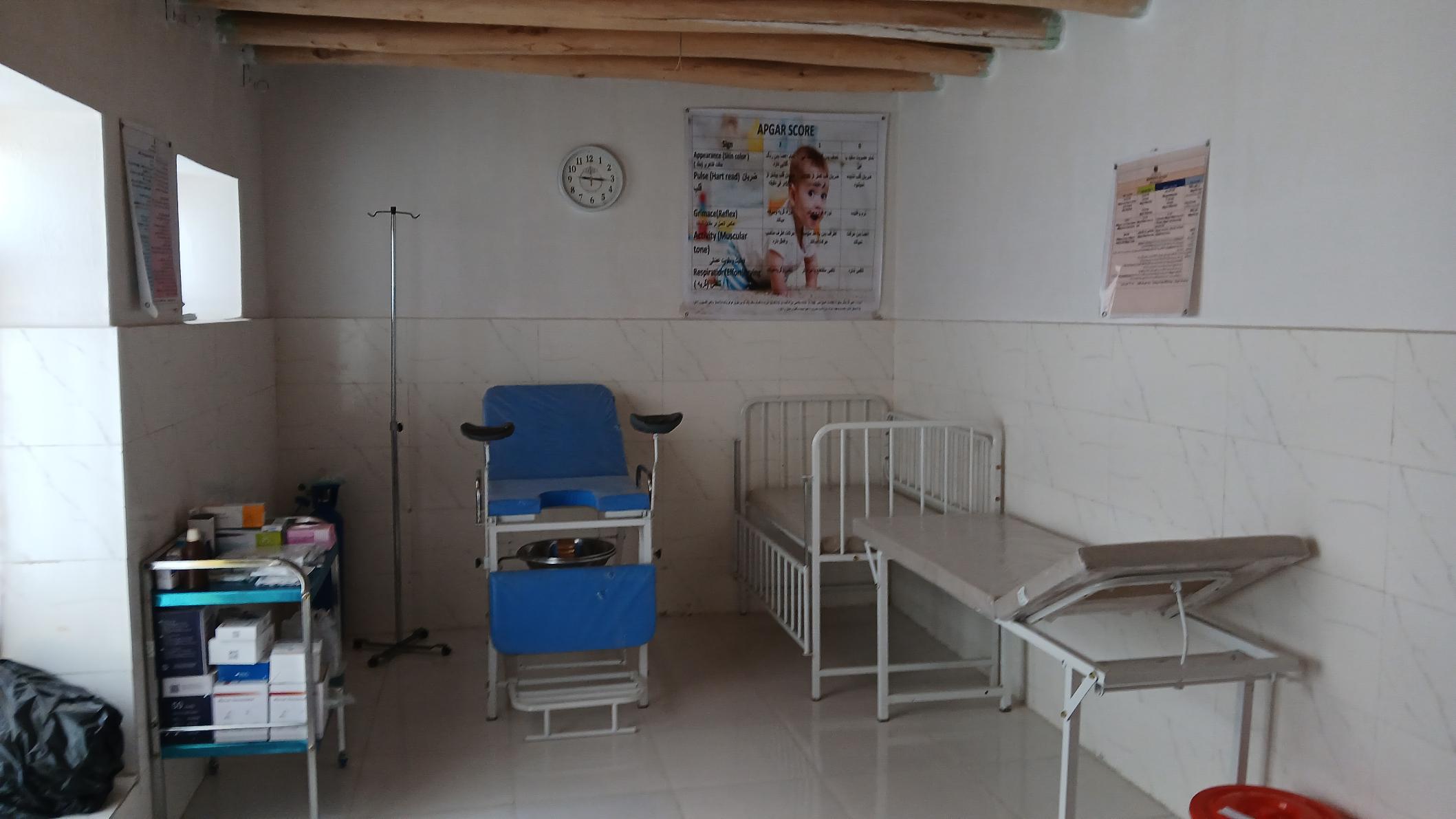
“At a remote Relief International clinic in Kabul province, I met mothers who had walked long distances carrying their children to reach us. Many told me they walk an hour or more each time.
“I also met a grandmother who struggled to walk and could barely manage, using a walking stick. With no other option available, she had reached the clinic by foot using sheer determination.”
“It struck me that even with these long and difficult journeys, the women were deeply grateful. One mother, who had delivered her baby at our facility a month earlier had returned for her follow-up visit after walking for more than one hour. She told me how lifechanging the clinic was and pleaded that it remain open.”
Midwives with a deep-rooted commitment
“The midwives working at this clinic travel from Kabul and back again each day as there is nowhere for them to stay nearby. Even in the face of such profound hardship, I was moved by the deep-rooted commitment of these women to help others.
“Right now, the facility doesn’t have enough capacity to support deliveries at night, yet one midwife told me she would be willing to live at the hospital with her husband throughout the winter to be available to patients."
A difficult existence at the border in Nimroz
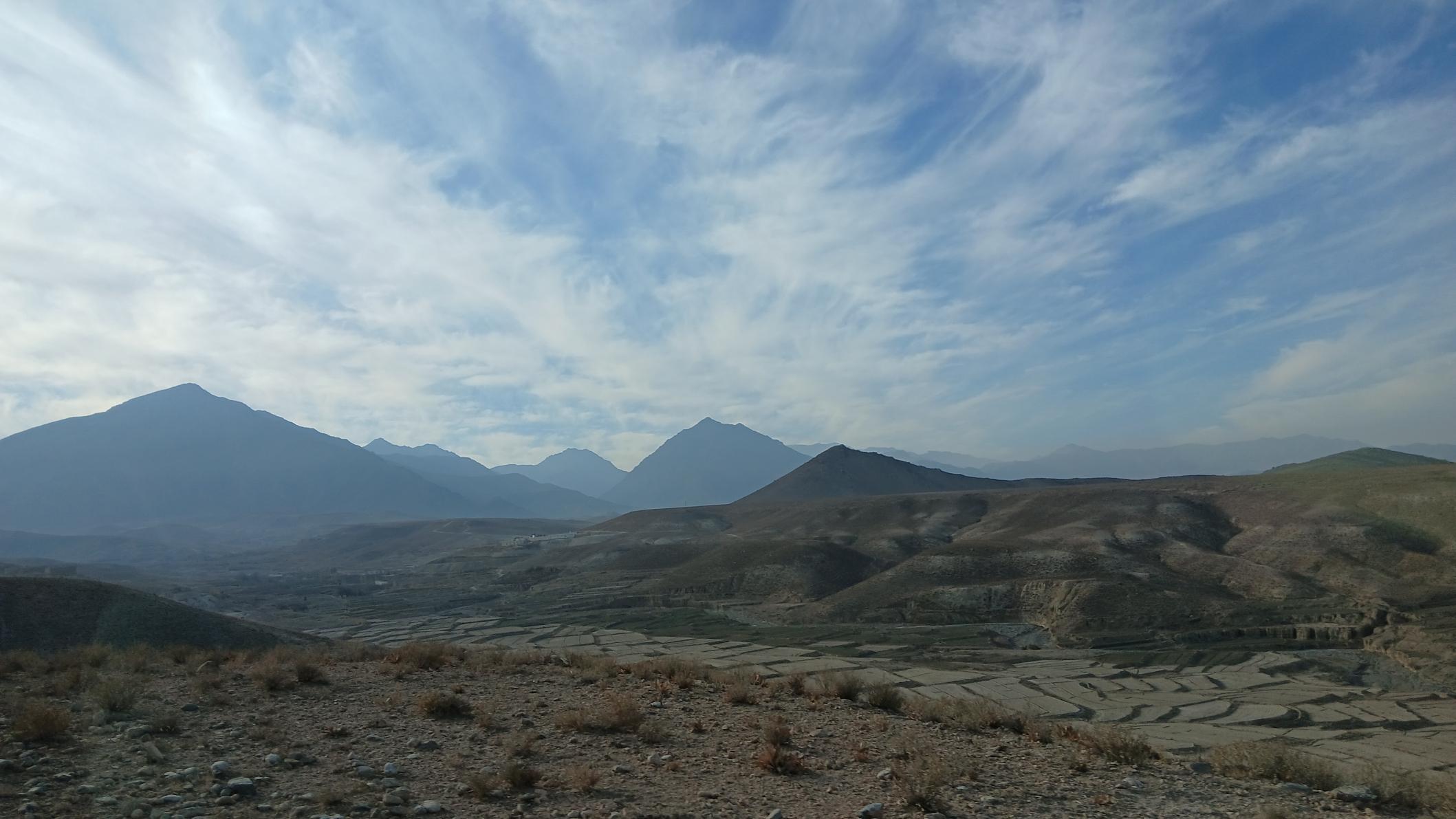
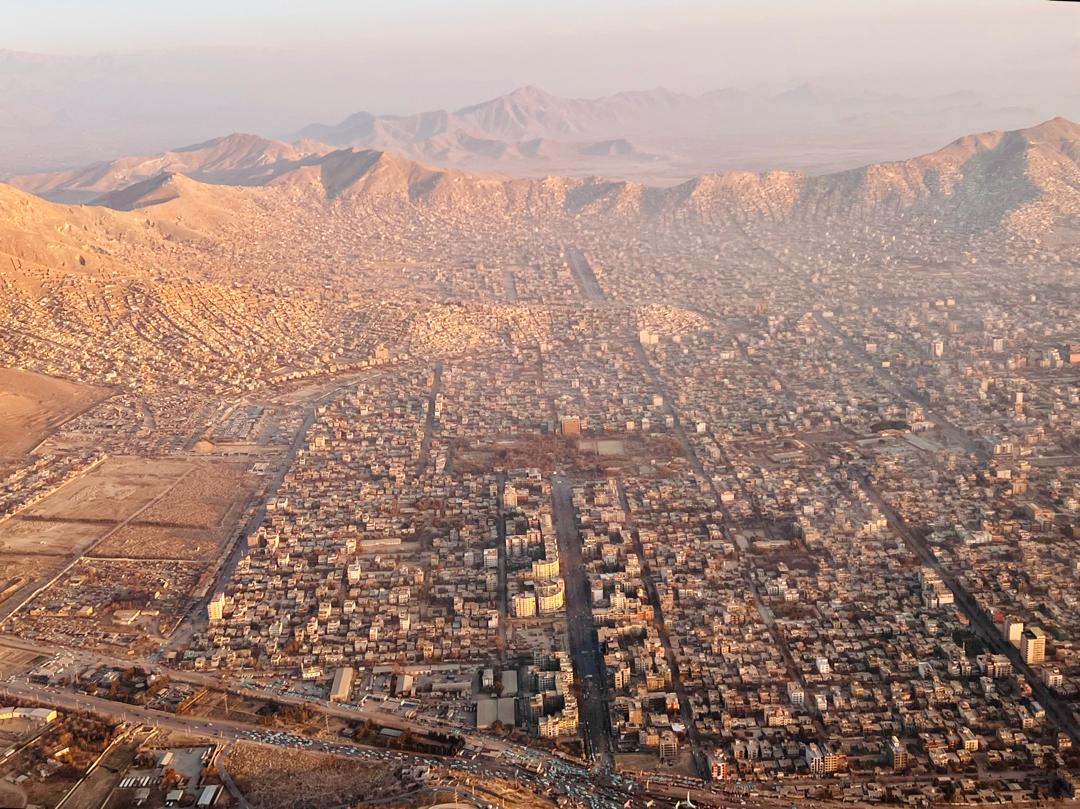
As Valerie travelled to Nimroz, she witnessed the environment becoming harsher. At the border with Pakistan and Iran, thousands of returning refugees are sheltering here. Yet the extreme climate and lack of basic resources contribute to an already difficult existence.
“The water in the region is salty which impacts everything. Families cannot grow vegetables, they cannot keep cattle, and they do not have access to safe drinking water.”
“Many households are forced to buy water, yet during the summer months the price increases so sharply that it becomes almost impossible to afford. There is sometimes no choice but to drink the salty water which leads to further health problems.”
Our provincial hospital provides a lifeline
Relief International’s regional hospital in Zaranj, the capital of Nimroz, is a lifeline for surrounding communities. The hospital is a newly constructed building which houses operation theatres, a neonatal intensive care unit, and a laboratory.
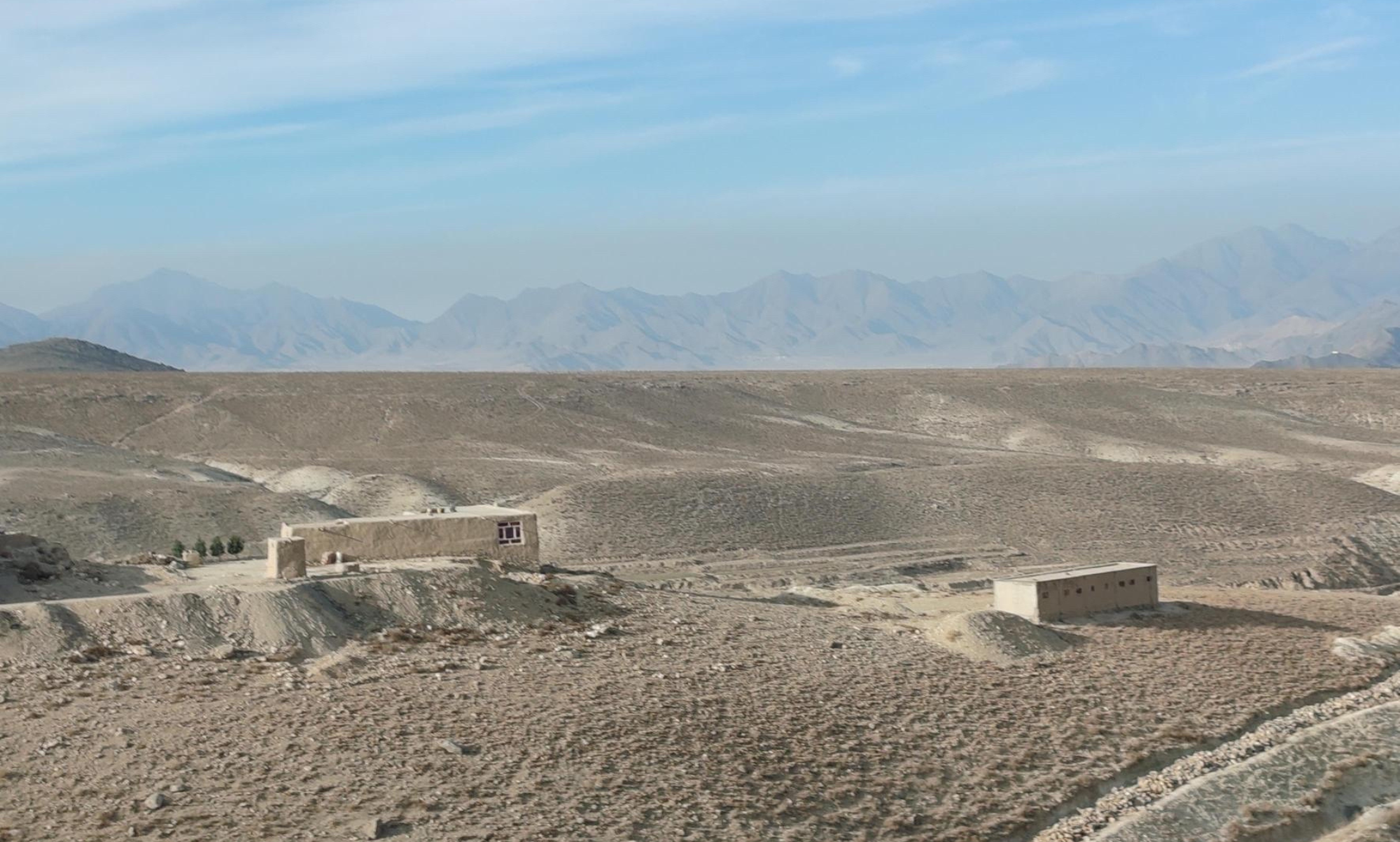
Valerie also visited smaller facilities in the region, such as a clinic in Ghoroghi. Situated in the middle of the desert, patients who require advanced care are transferred by ambulance from here to our regional hospital in Zaranj.
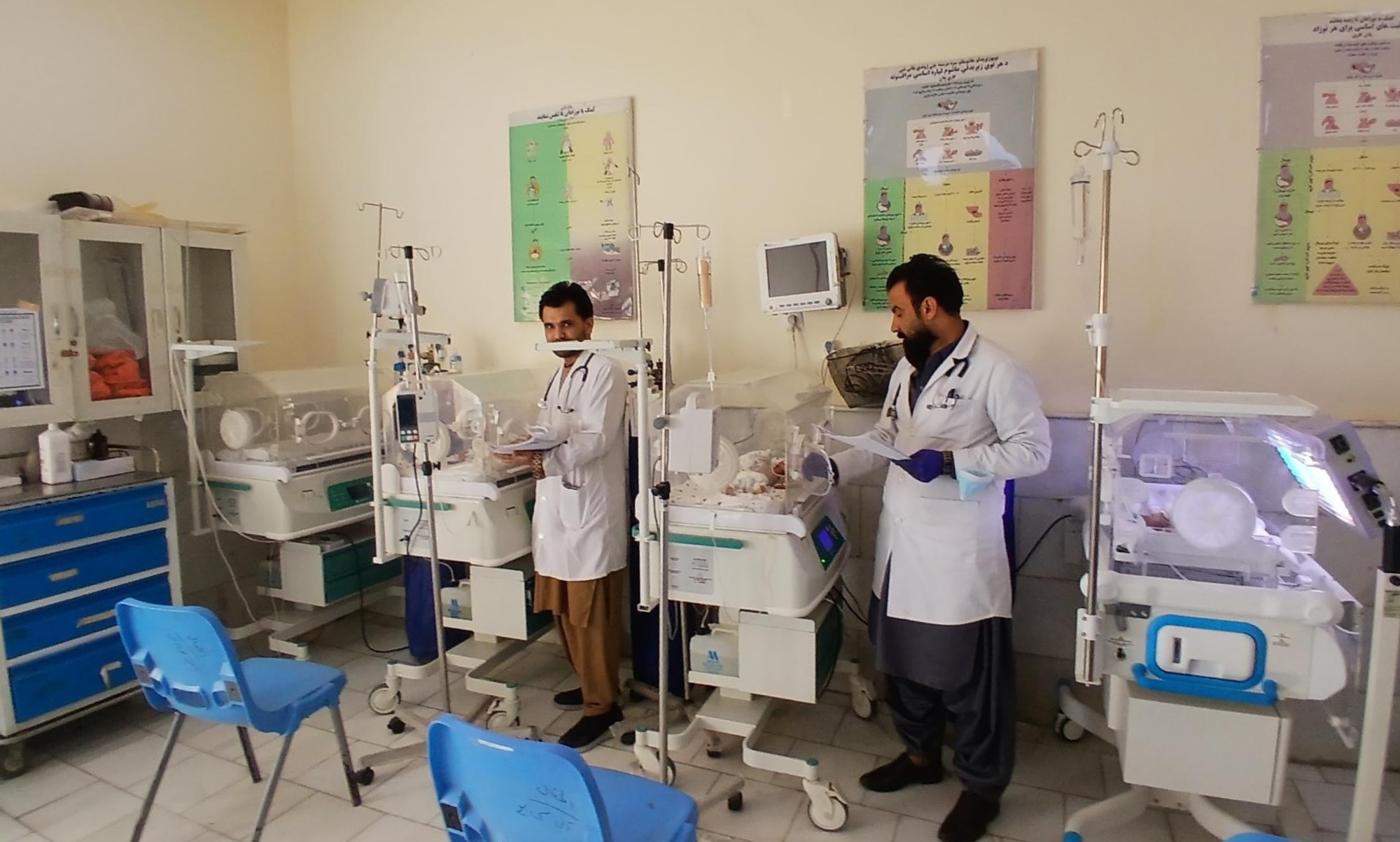
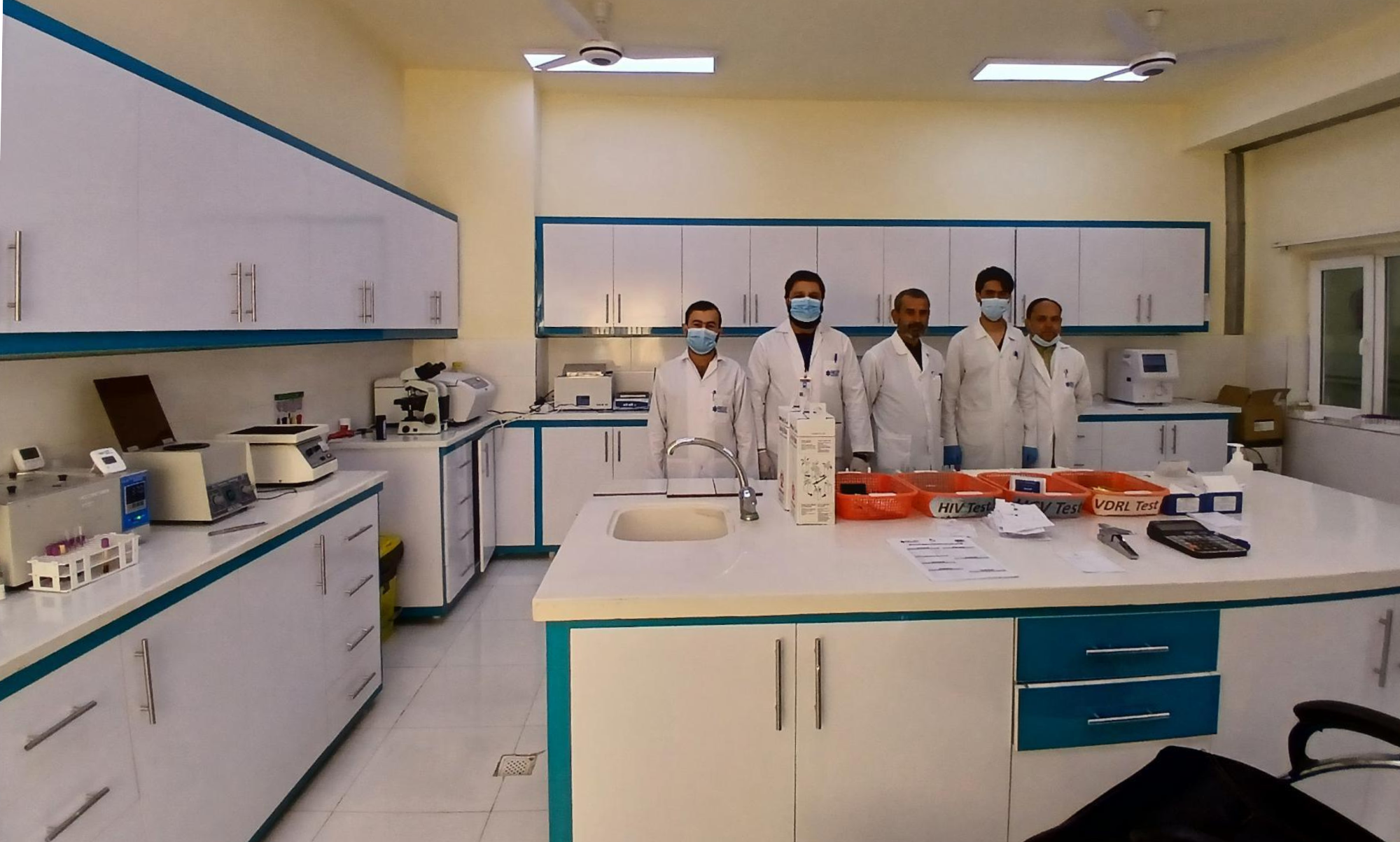
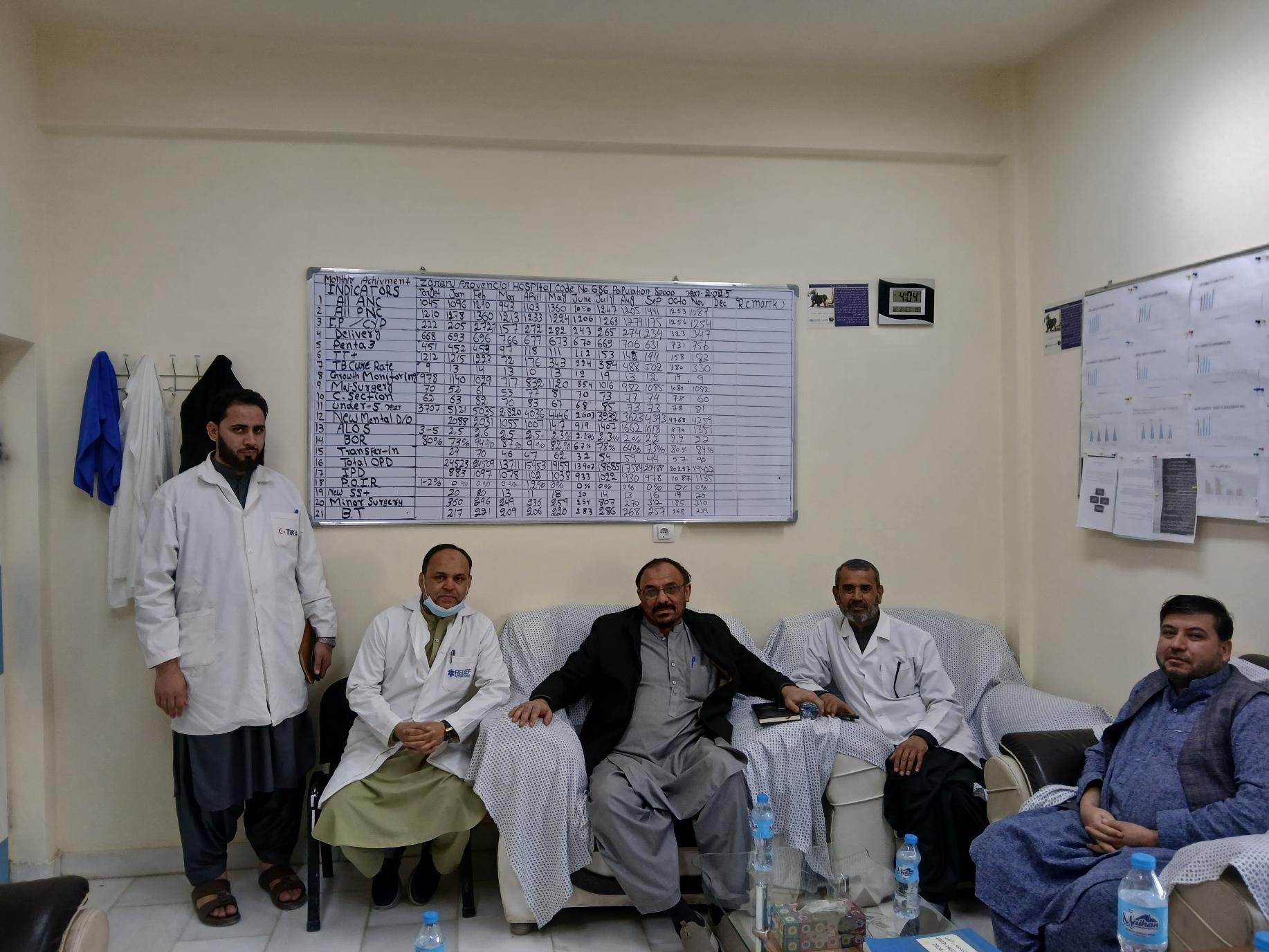
“You don’t see this kind of new facility often in Afghanistan. I am proud that we’re able to deliver this level of care, yet more support is needed to ensure we can continue our work. The health system remains extremely dependant of foreign aid.”
What the world needs to know about Afghanistan
With the UN warning that 17 million people in Afghanistan face acute food insecurity this winter, Valerie’s visit underscores a simple truth: the work we are doing in Afghanistan is vital, and more attention and support is needed.
“The economic situation in Afghanistan remains very challenging. On top of widespread malnutrition and a dire lack of clean water – persistent earthquakes, droughts, and floods make conditions even worse. There is no safe haven. Try as they might, it is extremely difficult for families to break free from the cycle of poverty here.
“Funding for Afghanistan was already severely lacking, and with the global decrease in humanitarian aid, the situation is very precarious. The bottom line is a sustainable difference can only be made with more support.”
“The mother at the remote clinic who was so grateful for basic care for her baby—even when it is more than an hour’s walk away—will stay with me for a long time. It is essential that we can sustain operations in Afghanistan and to help build resilience for people like her and her child.”
In 2025, Relief International Afghanistan provided almost 5.5 million health consultations and supported nearly 55,000 newborn deliveries, among a range of other vital services.
Our supporters’ donations enable us to continue our work, support community resilience, and ensure families in Afghanistan receive the care they need and deserve now and over the long-term.