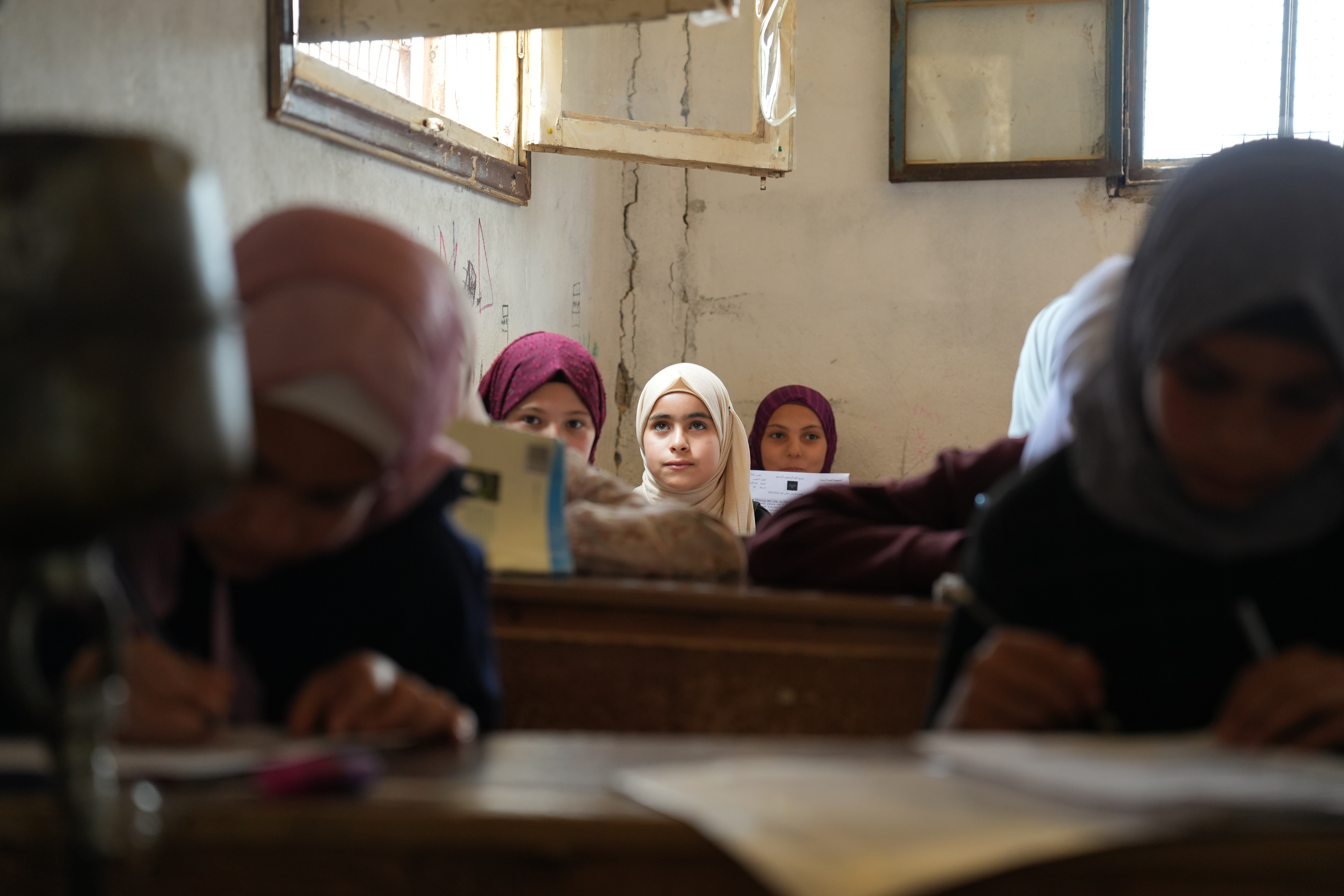
More than a decade of conflict and economic decline has left critical infrastructure in Syria — including water, sanitation, and hygiene systems — under immense strain.
In fact, more than 13 million people have limited access to safe water. This figure is set to rise as waves of displaced families return to the country following the collapse of the Assad-led government 18 months ago.
Broken systems cause severe shortages
In southern Syria, one of the greatest obstacles to reliable services is not the availability of groundwater — it is the lack of electricity to pump it, caused by frequent power outages.
Most water pumping stations operate at less than 40 percent of their designed capacity, leaving households, schools, and health facilities with only a few hours of water each week.
Relief International, in coordination with local authorities, identified Al-Sawra and Maaraba villages as priorities for urgent action.
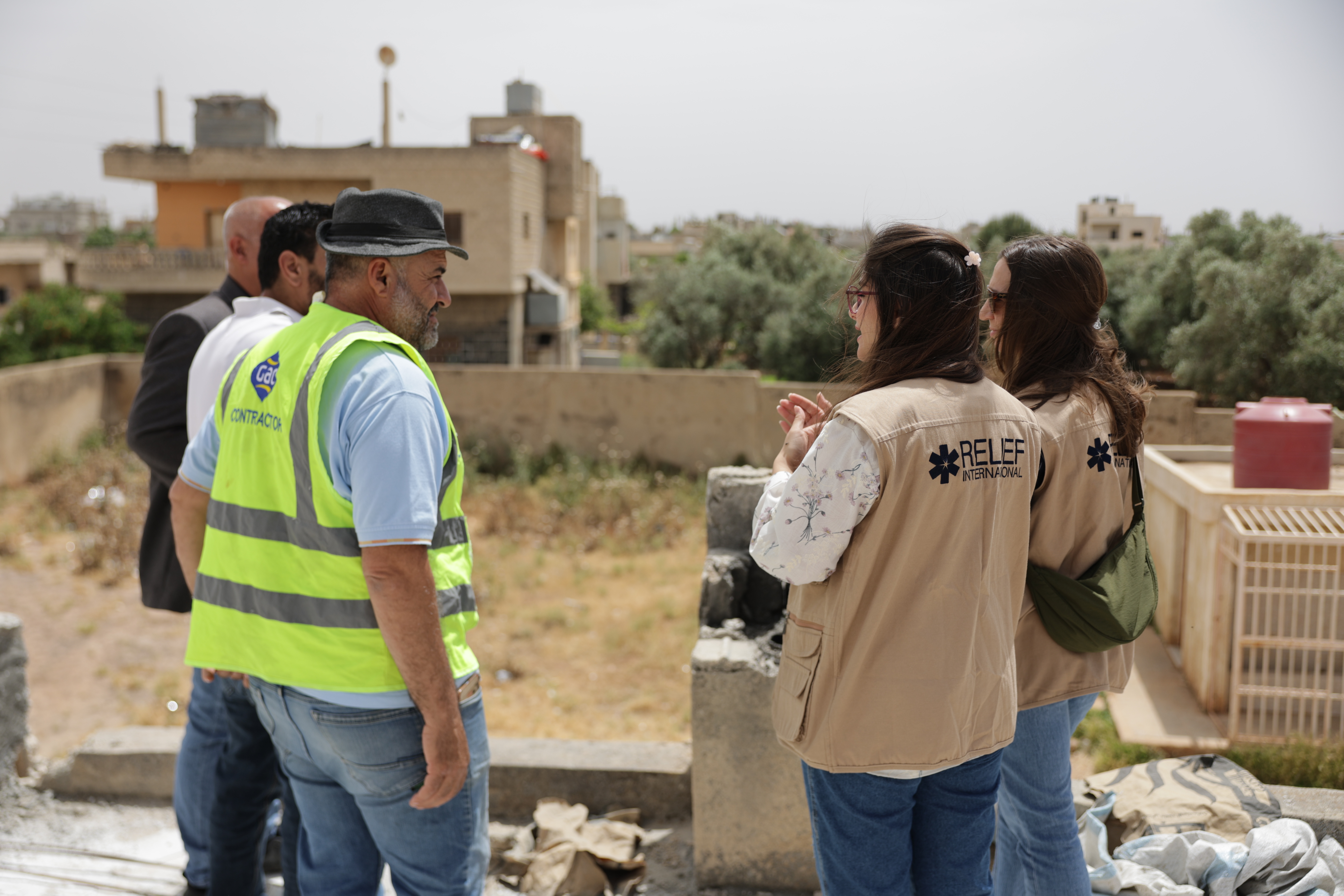
Relief International teams improve access to clean water in Al-Sawra village.
Smart energy for stronger communities
In Al-Sawra village, we installed solar-powered systems to support two existing wells, each capable of pumping up to 25,000 litres of water every hour — enough to fill more than 160 household bathtubs. We also rehabilitated pump rooms, upgraded machinery, expanded drainage, and reactivated chlorination systems to improve water quality.
These interventions reduced dependence on the unreliable electricity grid and strengthened existing infrastructure. They also supported local water authorities to manage the improved systems over the long-term.
"This project isn't just about installing solar panels; it's about ensuring communities have a sustainable and dependable water supply, even during power cuts," said Ahmed Al-Sallakh, Assistant Engineer at Relief International.
Water that enables children to thrive
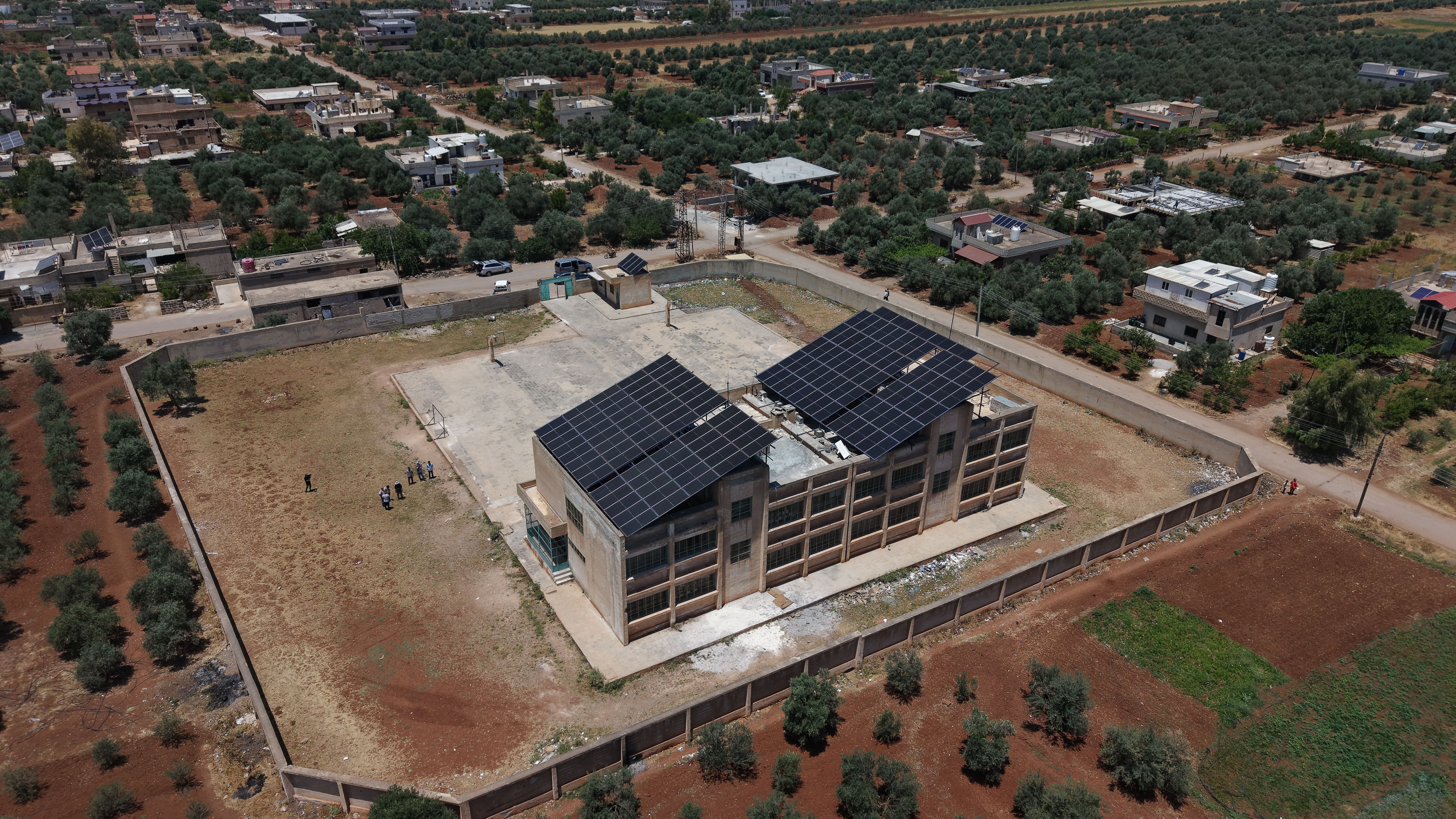
Solar panels are installed on the roof of a school, providing clean water to 300 students and the wider village. Photo Credit: Frontline in Focus
"Water was our biggest challenge. A child cannot spend six hours at school without drinking, washing their hands, or using the bathroom. Instead of focusing on the lesson, children were worrying about one thing: Will there be water if I need the bathroom or want to wash my hands?" said Hind Al-Hariri, Principal of Al-Sawra Fifth School.
For years, a lack of clean water has disrupted school life for children in the village. Access to toilets, handwashing facilities, and clean classrooms was not a given — it was a daily obstacle.
Today, the school’s 300 students are able to access the continuous water supply that had long been lacking. Thousands in the community are expected to benefit directly from Relief International’s improvements, funded by International Relief Teams.
“This wasn’t just a project for our school — it brought water to the entire neighbourhood. For us, it wasn’t simply about water; it restored dignity to our students and hope to our community,” reflected Al-Hariri.
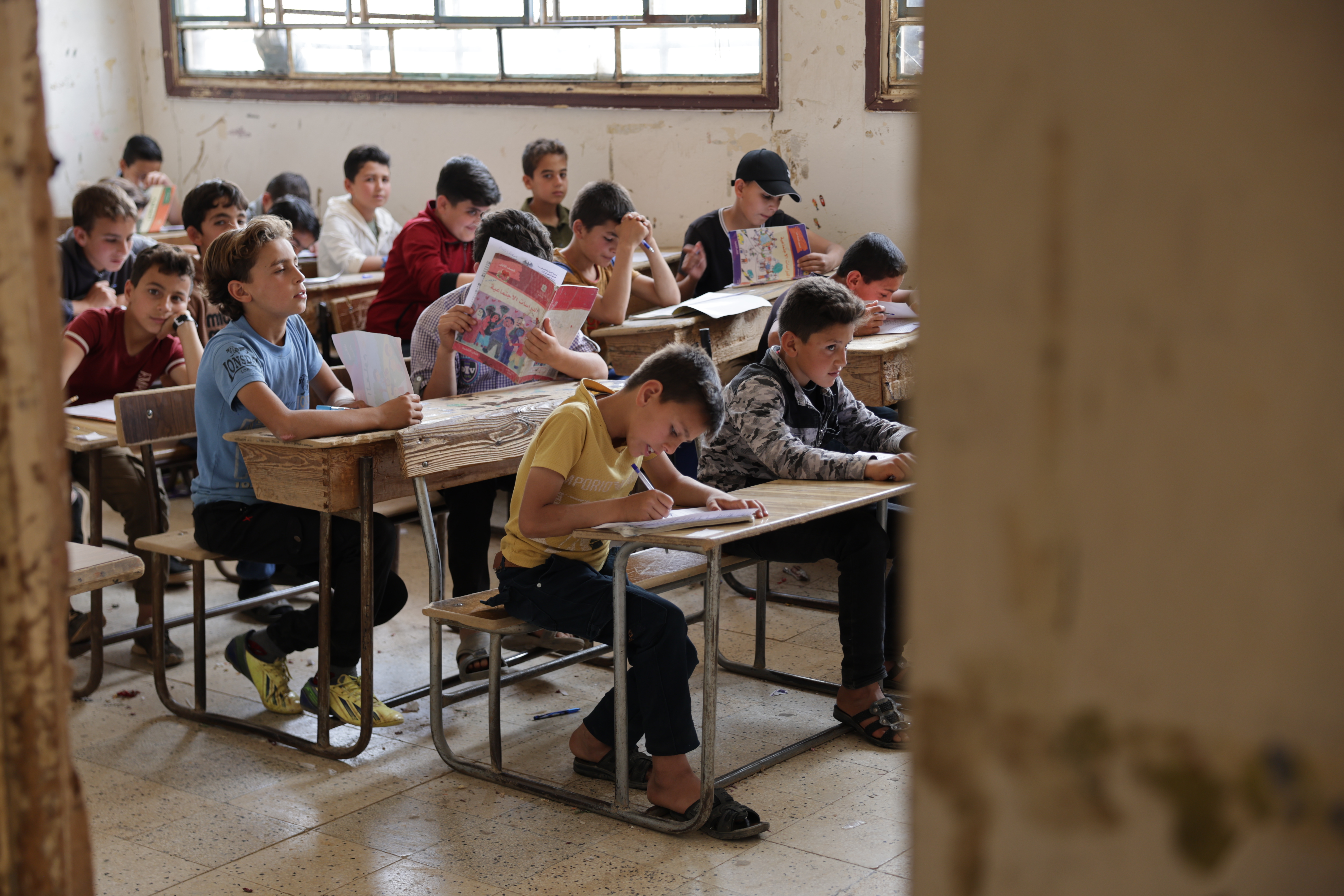
Students attend classes at Al-Sawra Fifth School, where new water services have created a safer, healthier learning environment. Photo Credit: Frontline in Focus
From crisis to recovery
In nearby Maraaba, we installed another solar powered system to support the village’s main water station. With this improvement, the tank is able to operate uninterrupted, serving more than 80 percent of the community.
Water services are often taken for granted until they break down. Today, this small-scale but life-changing intervention means displaced families who are making their way back to Al-Sawra and Maraaba can finally focus on the important task of rebuilding their lives after years of conflict and hardship.
By combining renewable energy with strengthened local systems, we have improved access to clean water for more than 29,000 people across these two villages — helping communities move beyond crisis and toward the long-term recovery they deserve.
Thank you, International Relief Teams, for making this critical work possible.