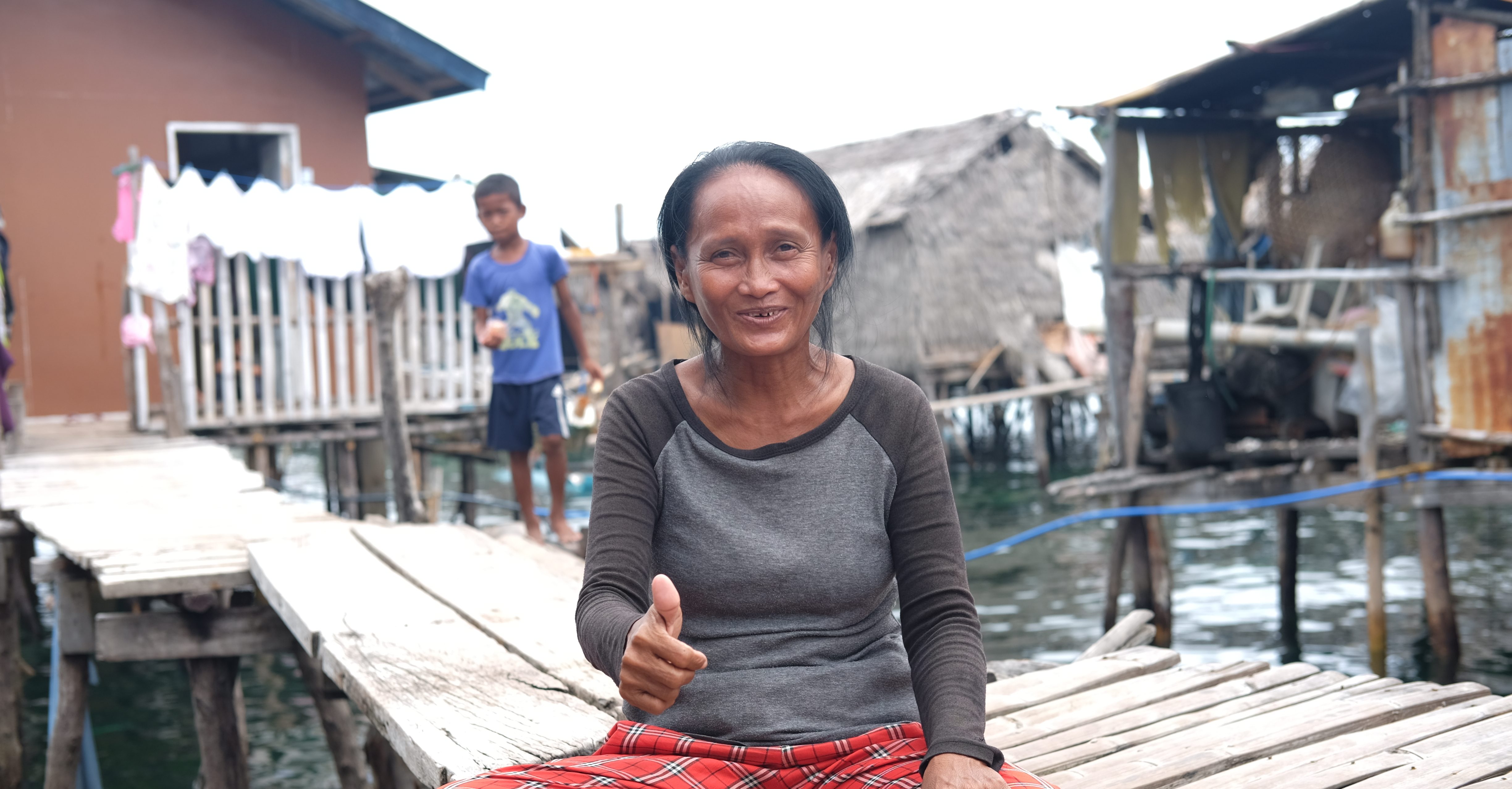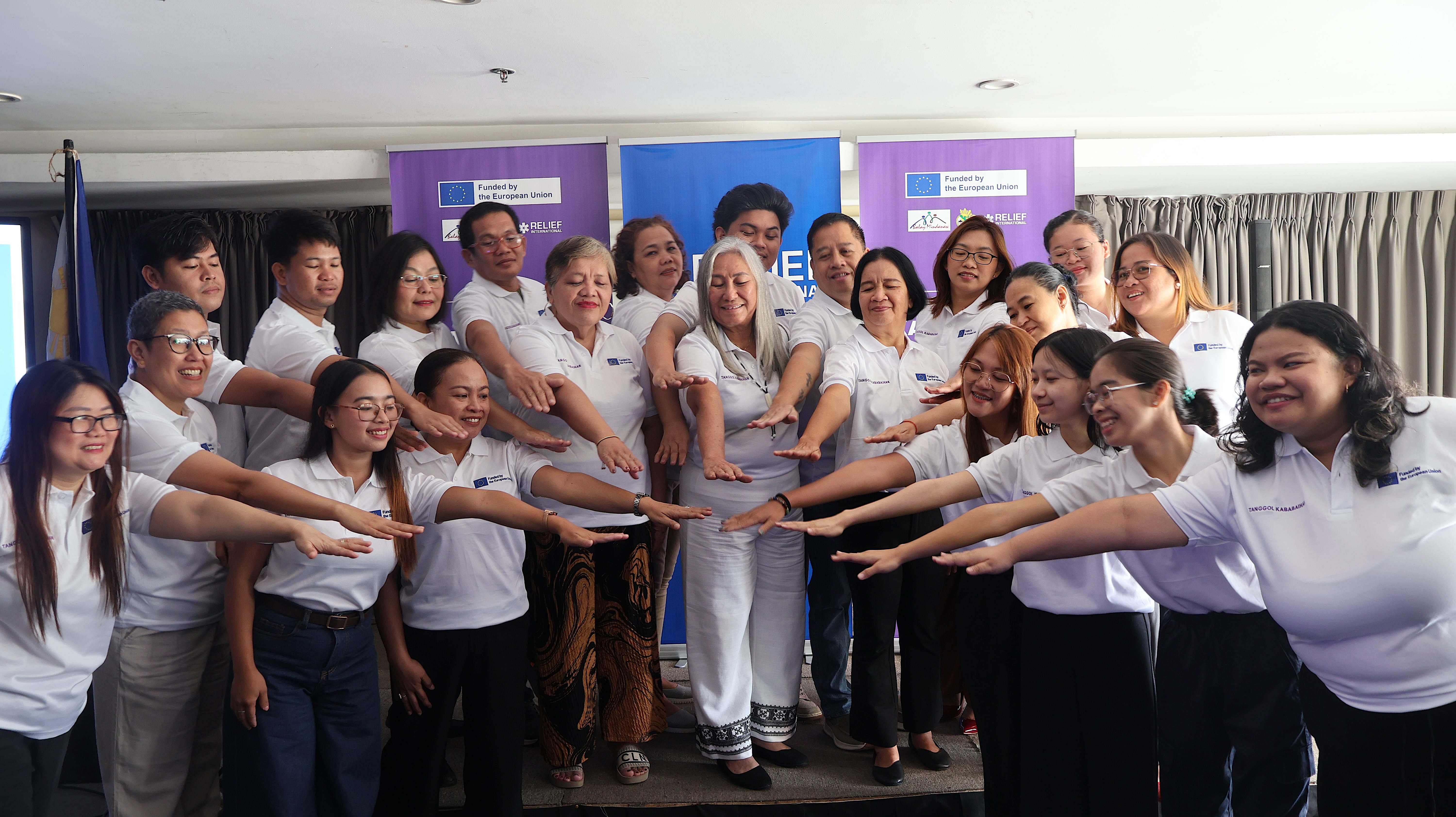
Last month, Relief International facilitated a five-day workshop as part of its ongoing efforts to strengthen the participation and leadership of women in peacebuilding across the Philippines.
Held in Quezon City, Manila, the event convened civil society organizations and local governments from eight conflict-affected provinces spanning Camarines Sur, Northern Samar, Negros Occidental, Bukidnon, Misamis Oriental, Surigao del Sur, Agusan del Norte, and Agusan del Sur.
Brought to life by the European Union-funded Tanggol Kababaihan Consortium — comprised of Relief International, the Coalition for Bicol Development, and Balay Mindanaw — the workshop will help to implement the government’s National Action Plan on Women, Peace and Security (NAPWPS) at a local level, ensuring that women are actively involved in conflict prevention, peacebuilding, and recovery processes.
Working alongside its consortium partners, Relief International is committed to empowering women in this way, with both evidence and experience proving that inclusive peace processes lead to more meaningful and sustainable outcomes.
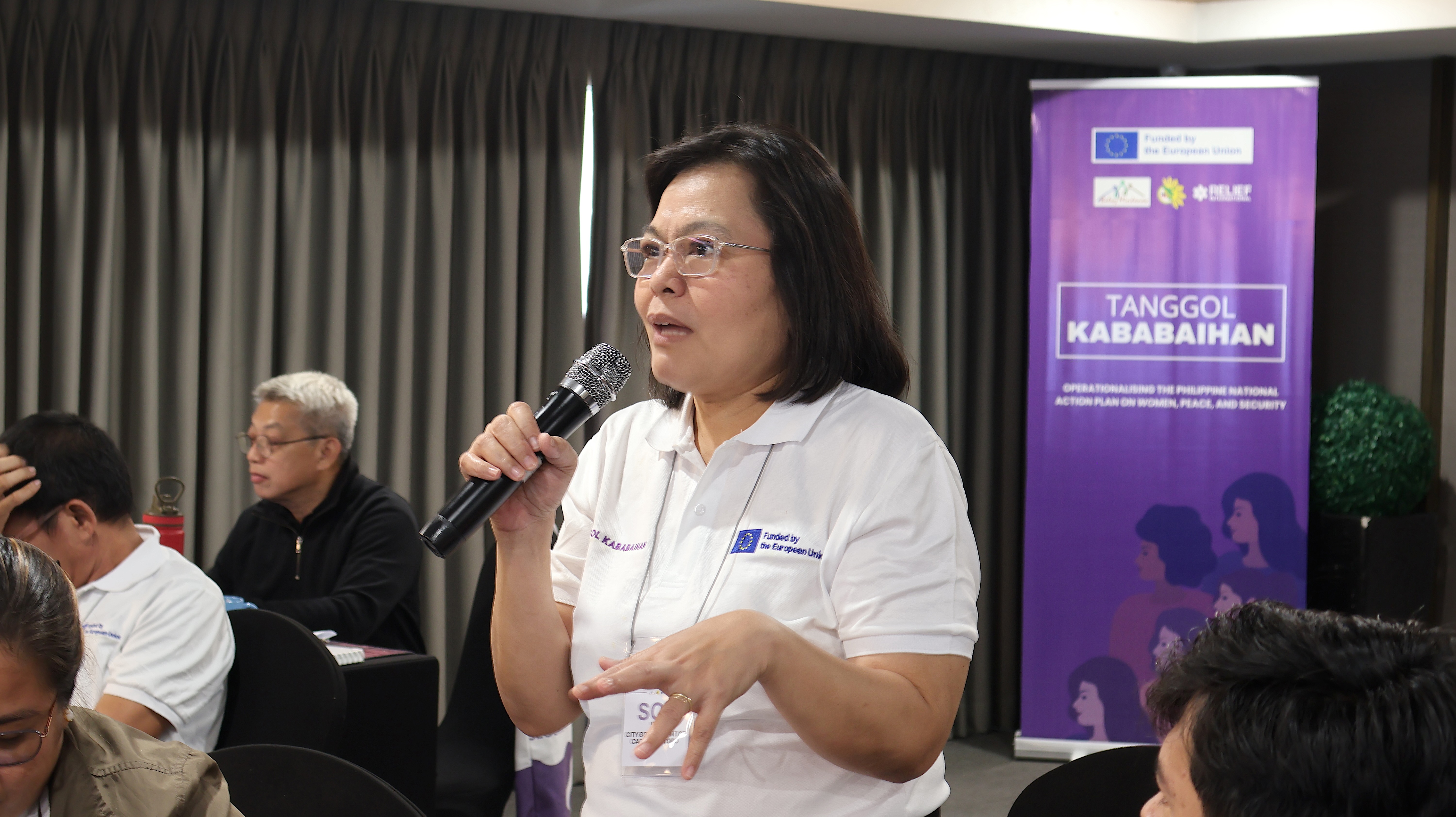
Many of the participants have already been working to empower women locally. They shared experiences of past conflicts and emerging threats in their communities.
Learning from local realities
During the training workshop, participants shared experiences from their own communities and diverse local contexts, from remote mountain villages to island municipalities. They examined both the historical and ongoing drivers of conflict, as well as the consequences such as displacement, disrupted livelihoods, and the erosion of social cohesion.
Many participants pointed to practical obstacles that affect the implementation of peace and development initiatives, including changes in political leadership, inconsistent policy implementation, and rapidly evolving local conditions.
These collaborative discussions were fruitful — helping to identify shared strategies to overcome common challenges and strengthen community resilience.
Women as agents of change
Central to the training was the recognition that while women are affected by conflict disproportionately, they are also powerful agents of change. Participants explored how women contribute to conflict resolution, community dialogue, and social cohesion, often serving as leaders within their families and communities during times of crisis.
The workshop also emphasized that empowering women benefits entire communities — when women have the opportunities, skills, and confidence to participate in decision-making, they can help shape solutions that address local needs and promote long-term stability.
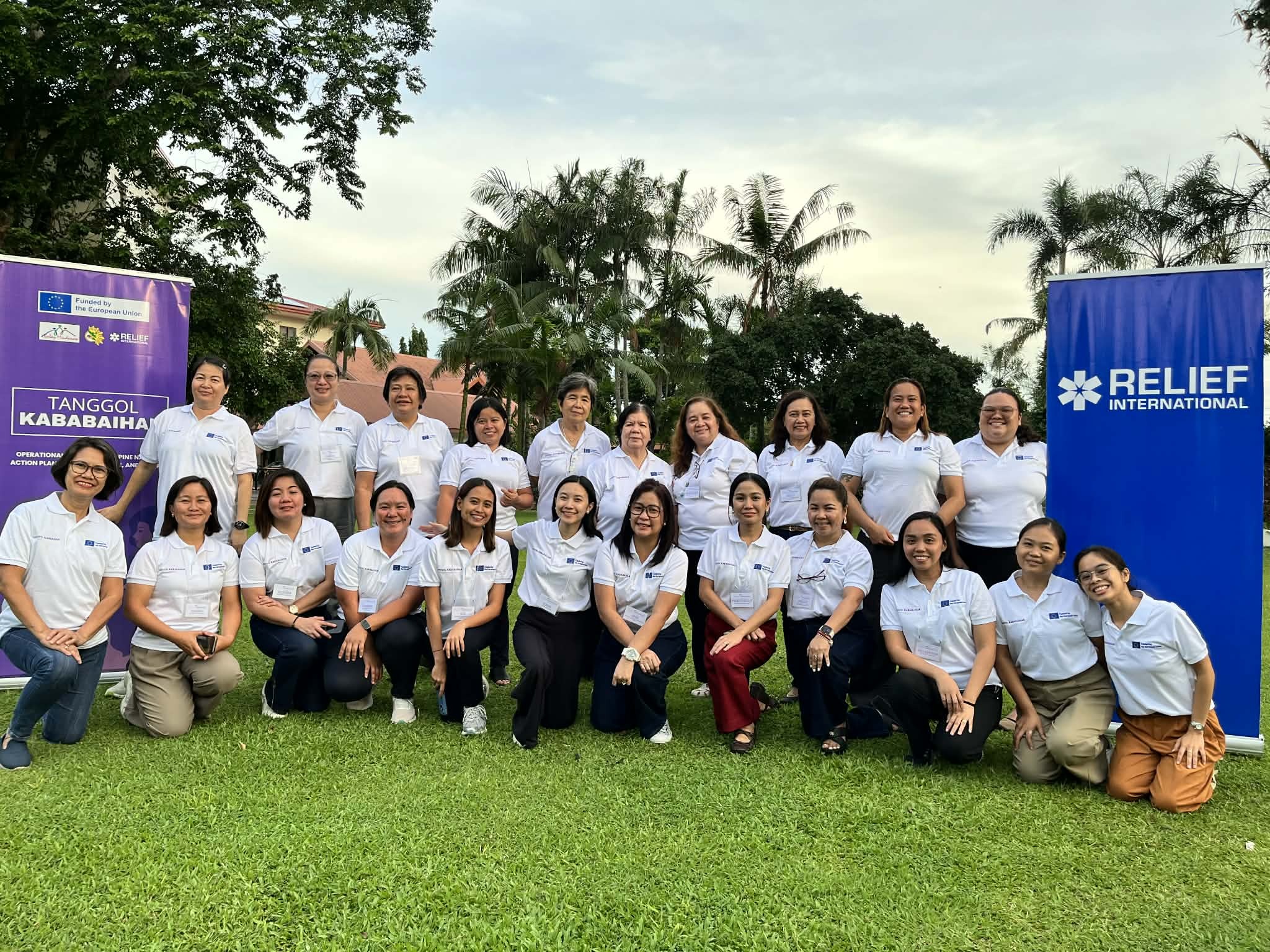
The roll-out of training continued this month in Negros Occidental.
“I commend Relief International for initiating this project. It is very timely, since conflicts continue to affect our area,” said Dionela Flores-Madrona, a registered social worker and adviser to the Council for Women in the Province of Negros Occidental.
"By equipping us to raise awareness in our communities, we can strengthen the capacity to advocate for peace and security," said Dionela Flores-Madrona.
Creating lasting impact
As a result of the workshop, more than 100 master trainers are expected to be mobilized across the country by August, leading local training sessions and community activities about the critical role of women in peace and security.
The new trainers also work to integrate Women, Peace and Security principles into local governmental planning processes such as Gender and Development (GAD), and Peace and Order and Public Safety (POPS).
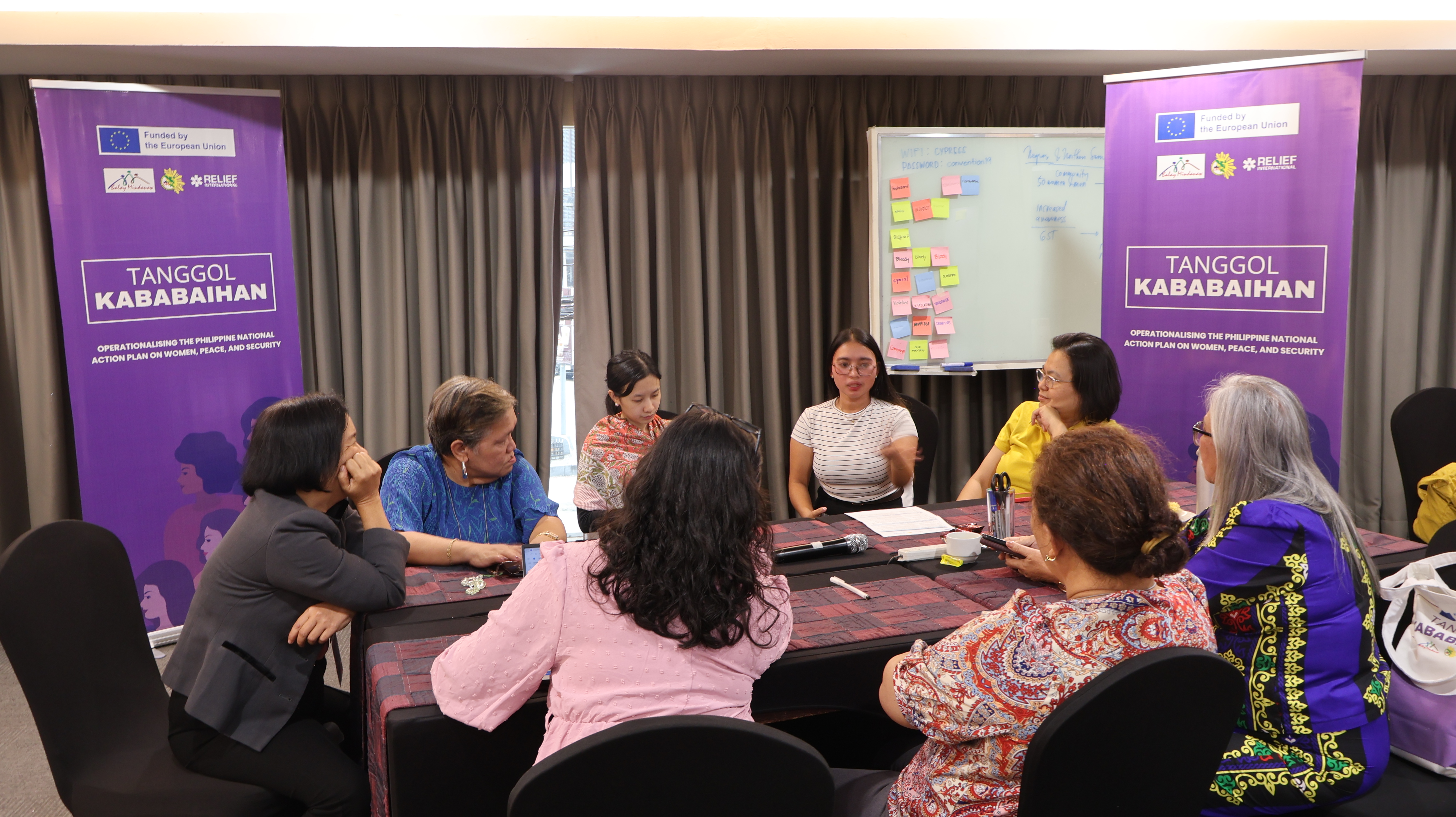
In Manila, civil society and local government representatives discussed strategies for navigating peacebuilding within their conflict-prone areas.
As conflicts continue to affect communities around the world, investing in women’s leadership remains essential to building lasting peace. Through the Tanggol Kababaihan project, women across the Philippines are gaining the knowledge, skills, and networks needed to become stronger advocates. Their efforts will help ensure that communities are not only better equipped to respond to conflict but also empowered to create a more peaceful and resilient future.
Meaning “Protect Women” in Filipino, the Tanggol Kababaihan Consortium is a three-year strategic alliance. Its important work is made possible by funding from the European Union.