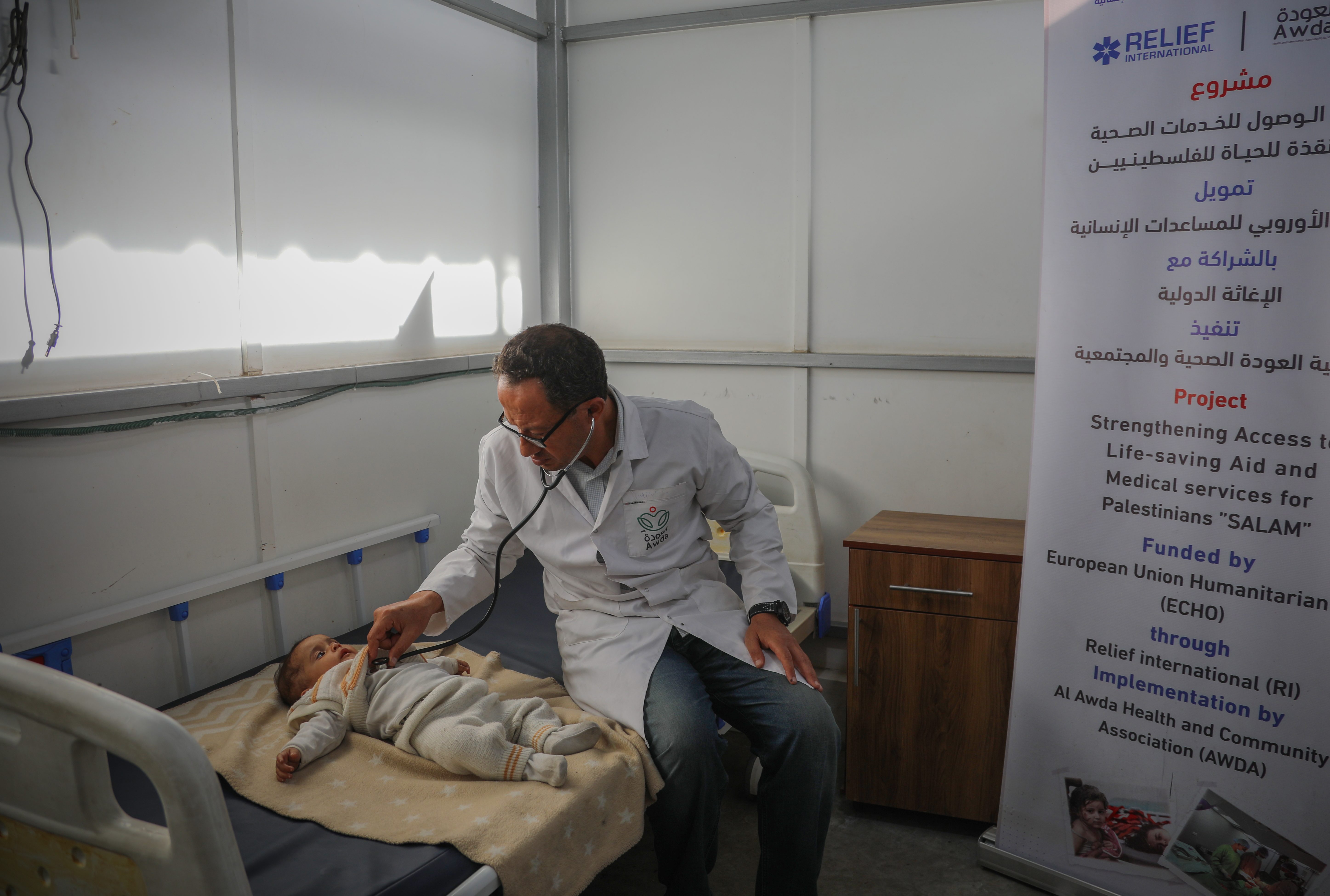
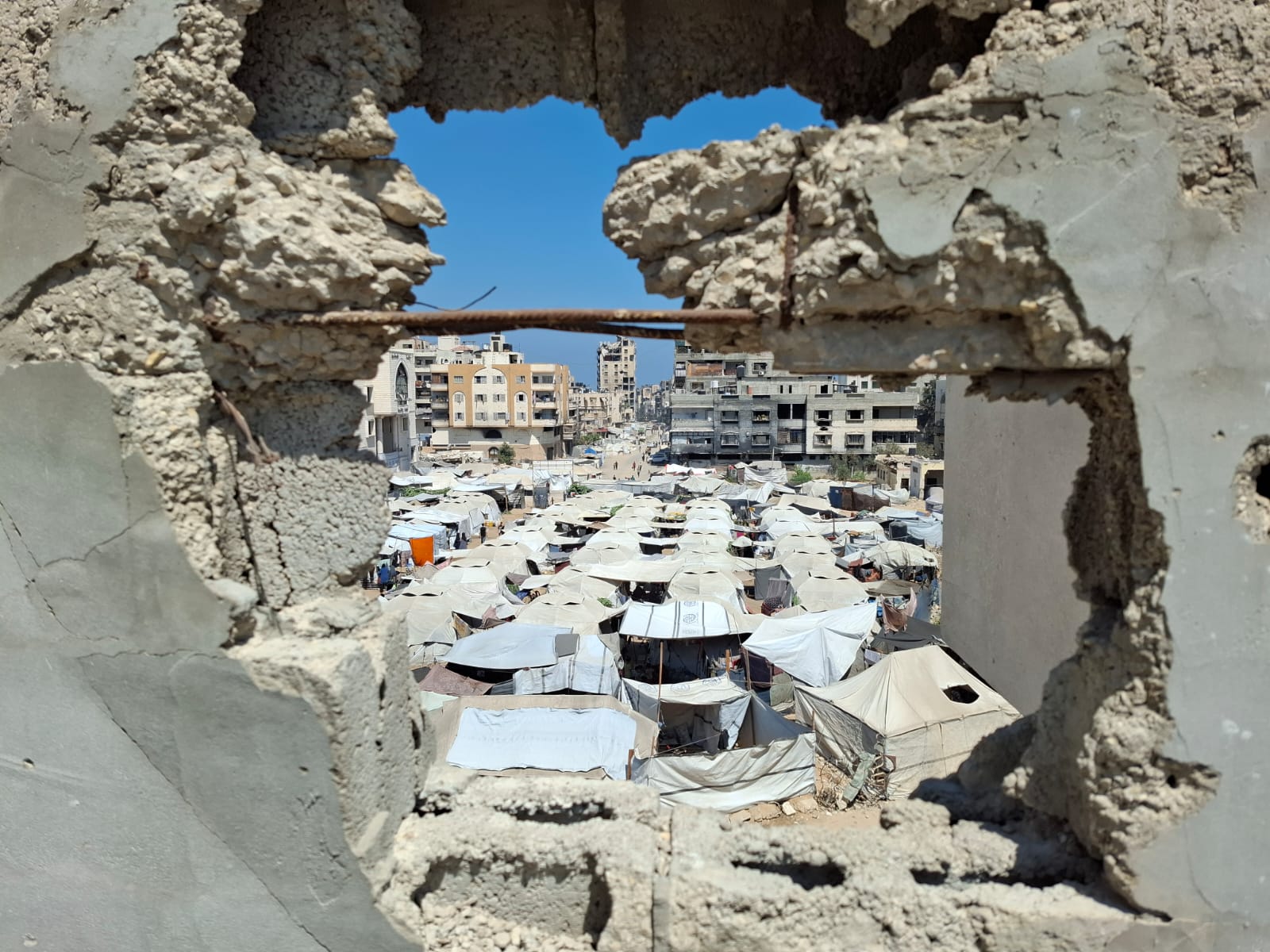
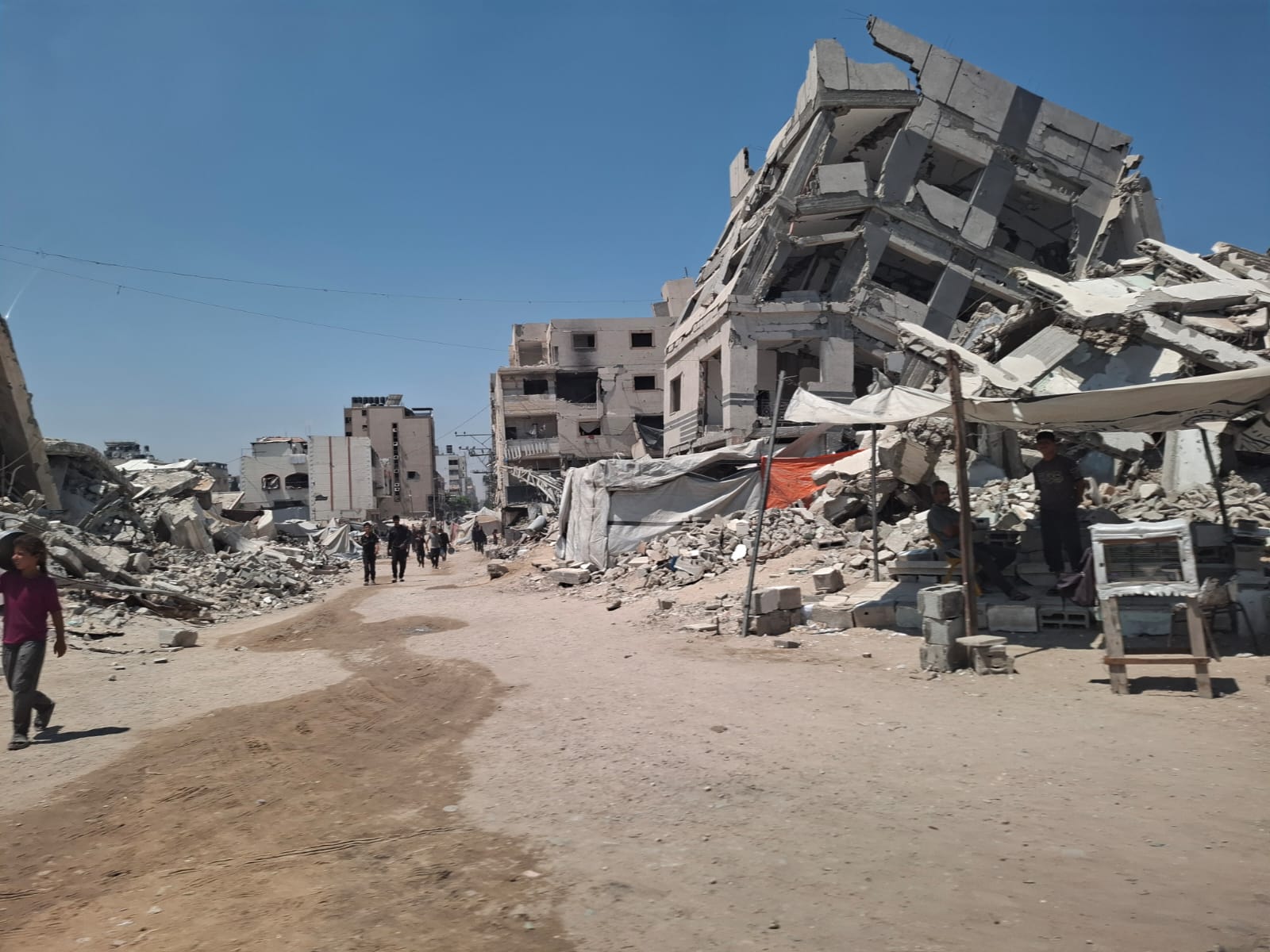
The people of Gaza have suffered unprecedented levels of destruction and violence for the past two years. Amid relentless bullets, bombardments, and bloodshed, approximately 70,000 people have been killed, including more than 20,000 children.
Suffering will deepen even further this winter
Communities continue to face violence, even under the current ceasefire, as well as a dire lack of food, clean drinking water, and medicine due to ongoing access restrictions. Families are displaced repeatedly, forced into overcrowded areas where there is an increased risk of disease.
With famine officially declared in August 2025, children throughout the Strip are still starving four months later, and this is a condition with health consequences, such as cognitive impairment and stunted growth, which will last for years to come.
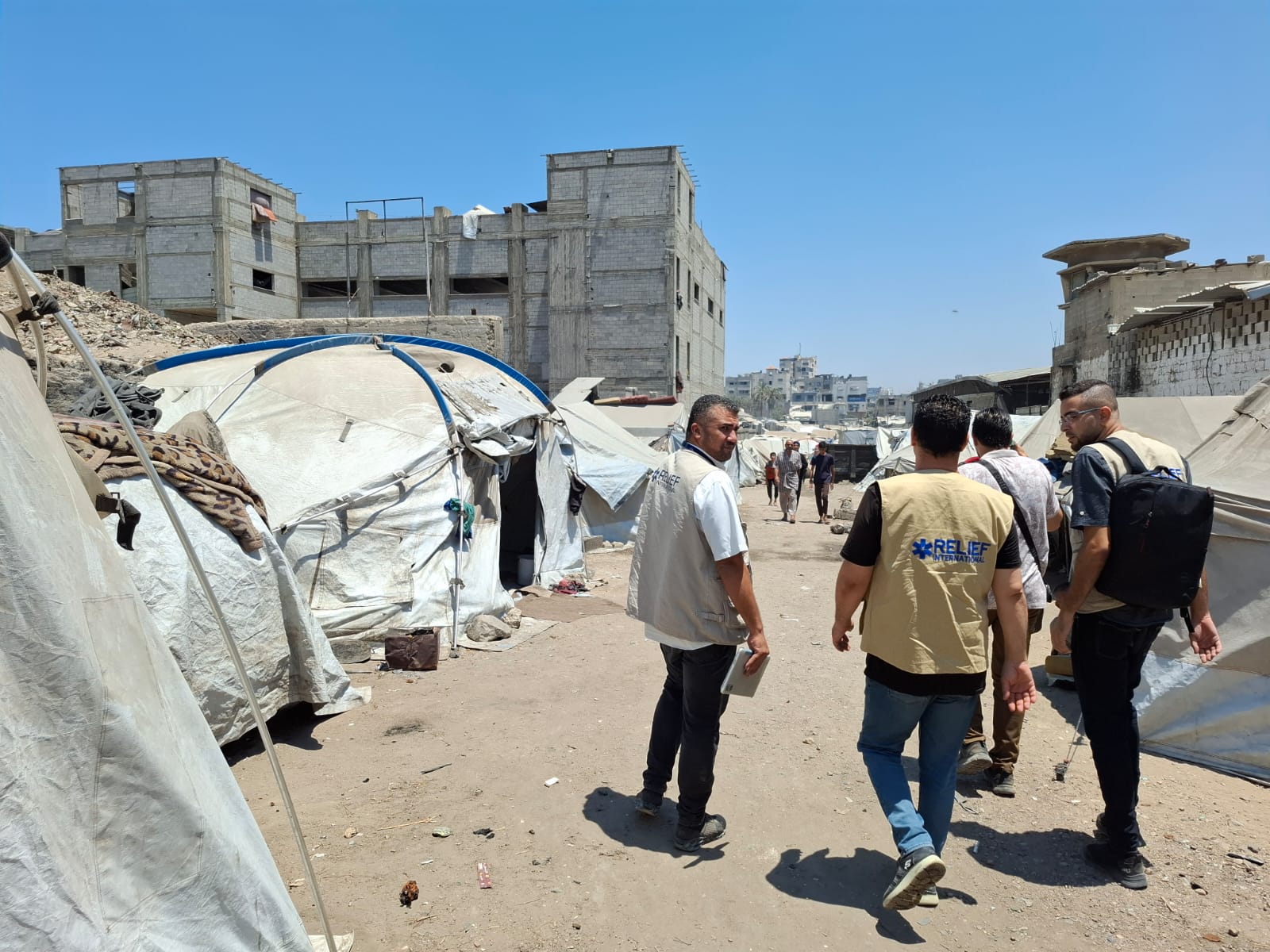
The harsh winter is now further compounding suffering. Freezing temperatures, torrential rains, and strong winds are making it extremely difficult for displaced families living in temporary shelters to stay safe. Tragically, adults and children are already dying from the impacts of flooding and exposure to the extreme cold.
“For Gazans the ordeal continues. Most kids spend their days barefoot, traversing flooded streets, unaware about the unexploded artillery shells buried underneath,” said a Relief International staff member.
Local partners with unshakeable determination
Relief International has continued to partner with Palestinian organizations, delivering lifesaving support whenever possible. Together we are providing critical healthcare, malnutrition treatment, and medical supplies. We are also delivering clean water, sanitation support, and psychosocial services.
Despite facing terrifying conditions this year, medical staff from one of our local partners Al Awda have gone above and beyond to save lives. Dr Mohammed Salha describes one of the many examples of his team’s resilience from earlier this year.
He said, “The lack of fuel and oxygen forced our medical teams to use manual air tubes. For one patient, we administered oxygen manually for three days straight—that’s 72 hours without stopping. Can you imagine?”
Throughout 2025, we have navigated the rapidly changing situation in Gaza, adapting to serve communities.
While we were forced to close operations under siege more than once, we also established lifesaving services amid rubble.

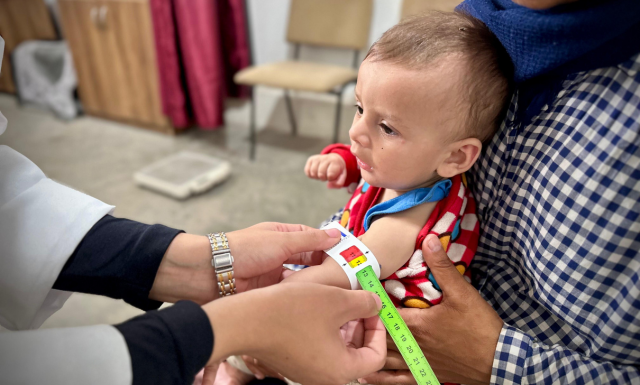
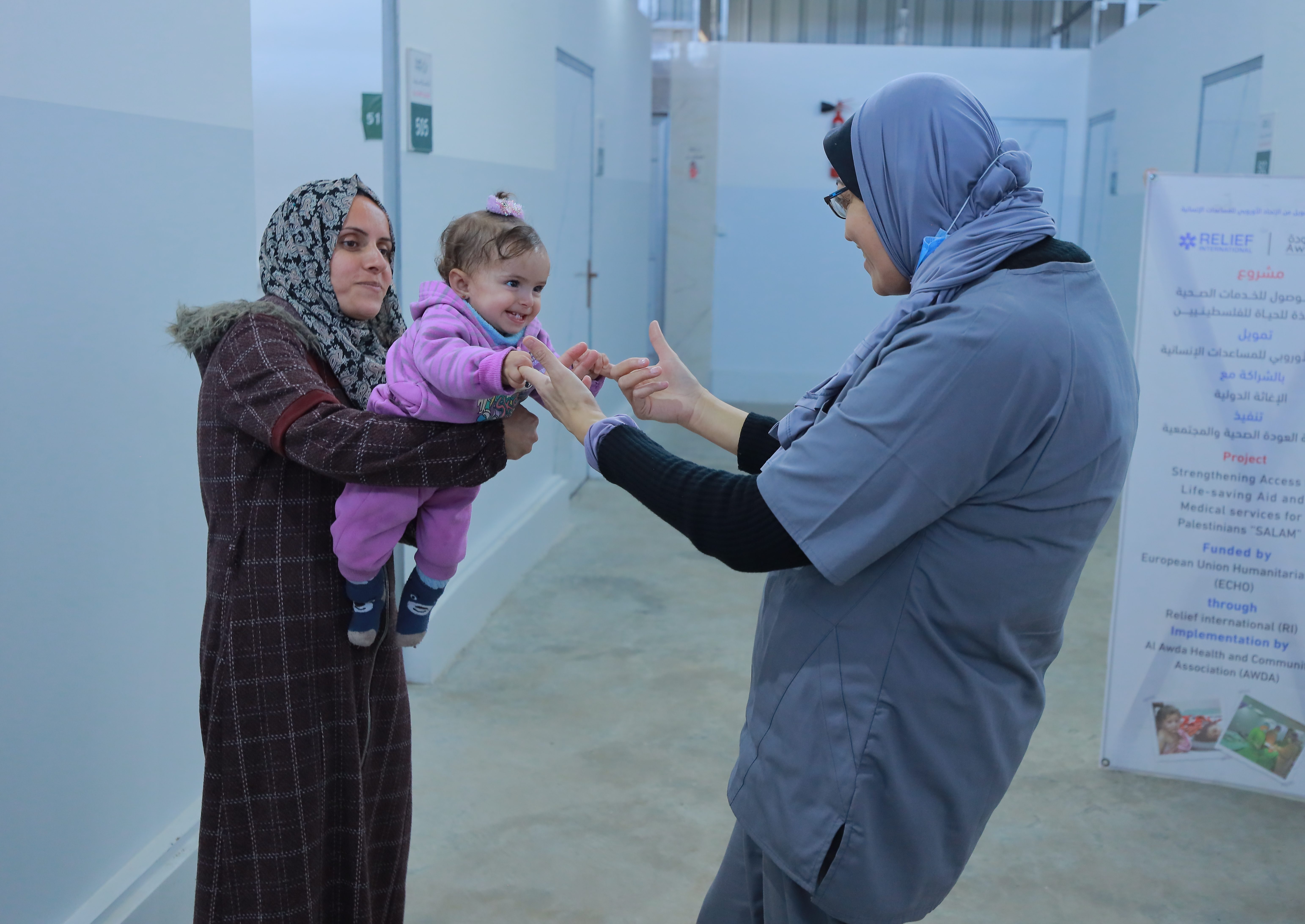
At the beginning of the year, we opened a stabilization center at Al Awda’s hospital in Nuseirat for malnourished children. At the time it was the only center of its kind in Central Gaza. A small but impactful operation, the center is another example of staff providing lifesaving treatment against the odds. Thanks to a generous donor, we are now able to scale up the support being offered.
In September, we established a maternity ward in Khan Younis, Southern Gaza. Working with local partner Al Sahaba, our team rehabilitated part of a severely damaged hospital and sourced local supplies, which are extremely limited. Providing hundreds of emergency c-sections and deliveries since opening, this unit is a lifeline for displaced women.
Dr Mohammed said that thanks to Relief International’s support, “We are now able to perform deliveries and caesarean sections in a quality manner.”
We must not forget the people of Palestine
Today an estimated 3.1 million Palestinians across Gaza and the West Bank remain in urgent need of humanitarian assistance. Alongside our local partners, we are dedicated to supporting communities now, and over the long-term.
The reality of this man-made catastrophe is horrifying. Humanitarian organizations have, and continue to, face massive obstacles—but we haven’t given up.
This year, we have provided almost 24,000 vital health services in Palestine, including nutrition support for more than 2,000 pregnant women—a feat only possible due to the unwavering dedication of local staff—but we can’t do it alone. Help us to keep going the distance.