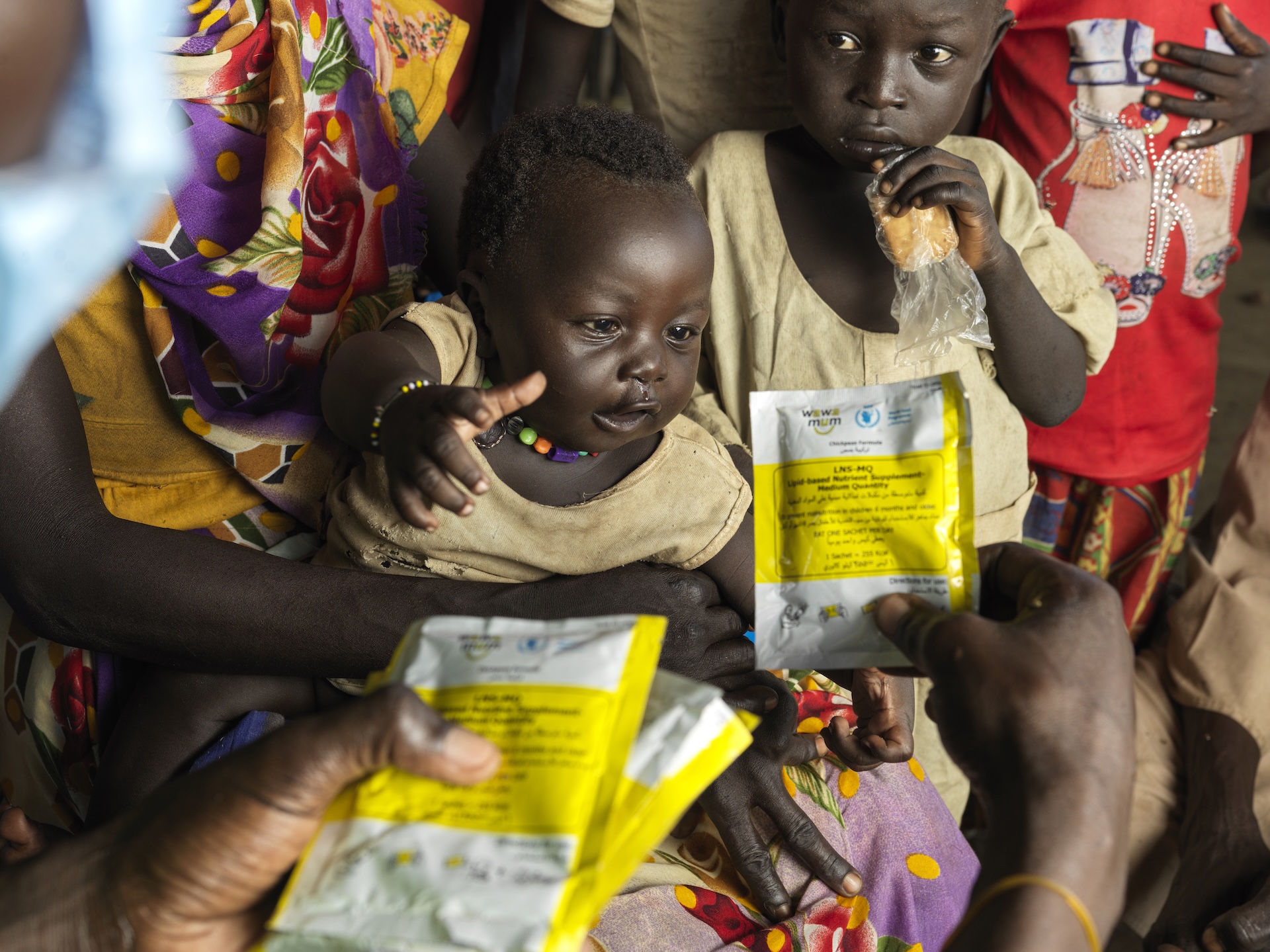
With more than 130 health facilities across Sudan—including 22 mobile clinics—Relief International is going the distance to deliver lifesaving healthcare to people whose lives are being torn apart by war.
Since the brutal Sudanese conflict erupted in April 2023, at least tens of thousands have been killed, and more than 12 million people have been forced to flee their homes. It is the largest displacement crisis in the world. Across the country, shattered infrastructure is leaving families cut off from food, clean water, and basic services.
At the same time, humanitarian organizations are battling an acute shortage of funding and severe access restrictions. The UN’s Humanitarian Response Plan for Sudan has received only 25% of the $4.2 billion needed to respond to the scale of human suffering.
“Despite an increasingly volatile environment, our teams continue to operate at full stretch across all fronts, responding, coordinating, and adapting in real time,” says Country Director Kashif Shafique.
Adapting in the face of unimaginable obstacles
Despite the challenges, Relief International has adopted a nimble approach—adapting quickly and scaling up support wherever possible. We are operational in eight states and this year, our teams have provided almost half a million healthcare consultations across the country.
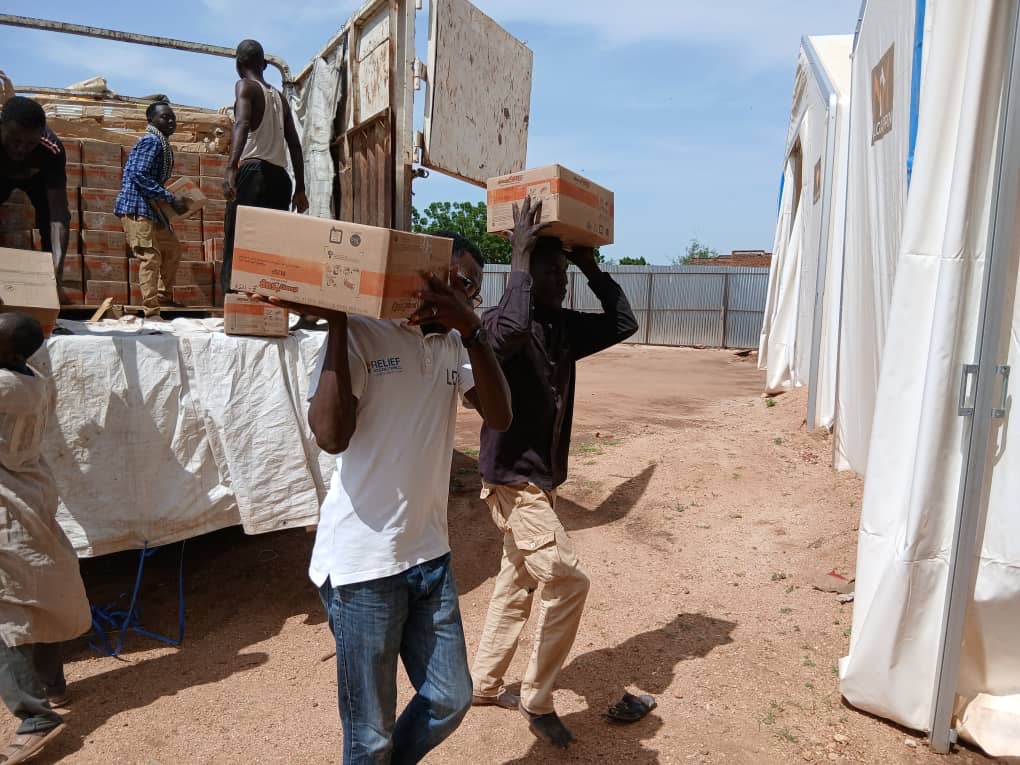
When access by road becomes impossible, we find new routes, crossing borders and navigating insecure terrain to deliver lifesaving supplies. In places like Tina and Al Malha where Relief International is the only international non-profit providing healthcare—our teams continue to be a lifeline for isolated communities.
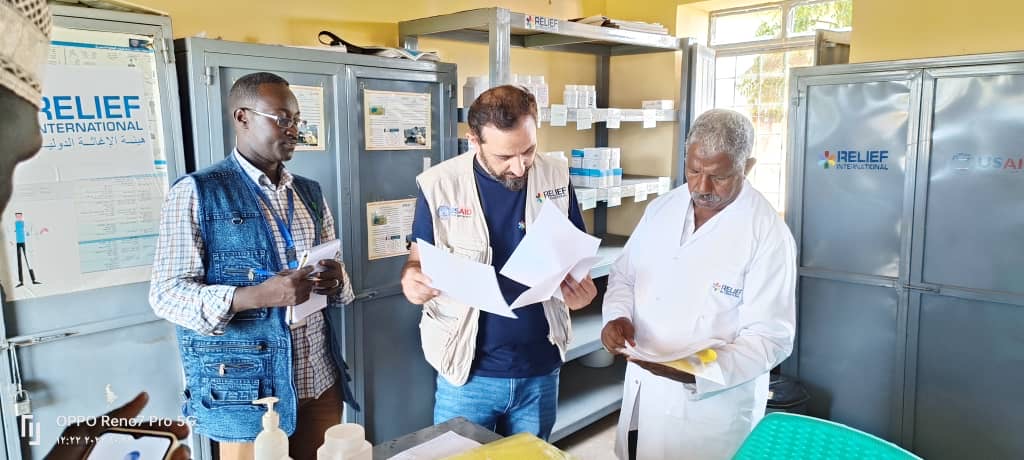

An innovative telehealth service: Connecting Sudanese patients with global medical experts
With hospitals under attack and cut off from supplies for almost three years, Sudan’s health system is shattered.
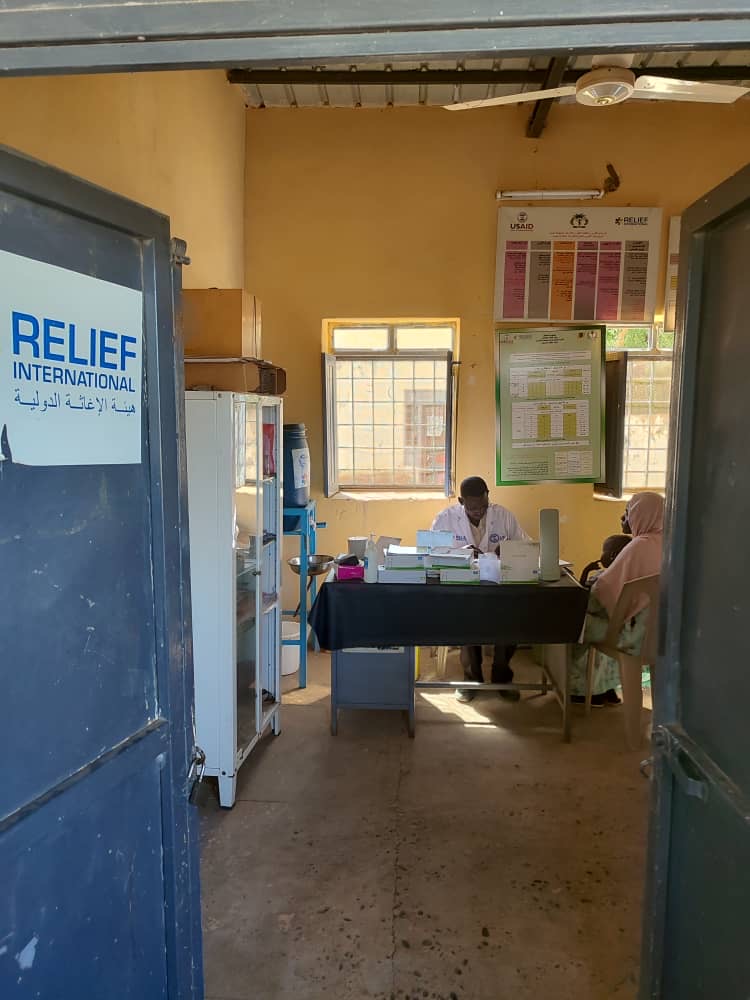
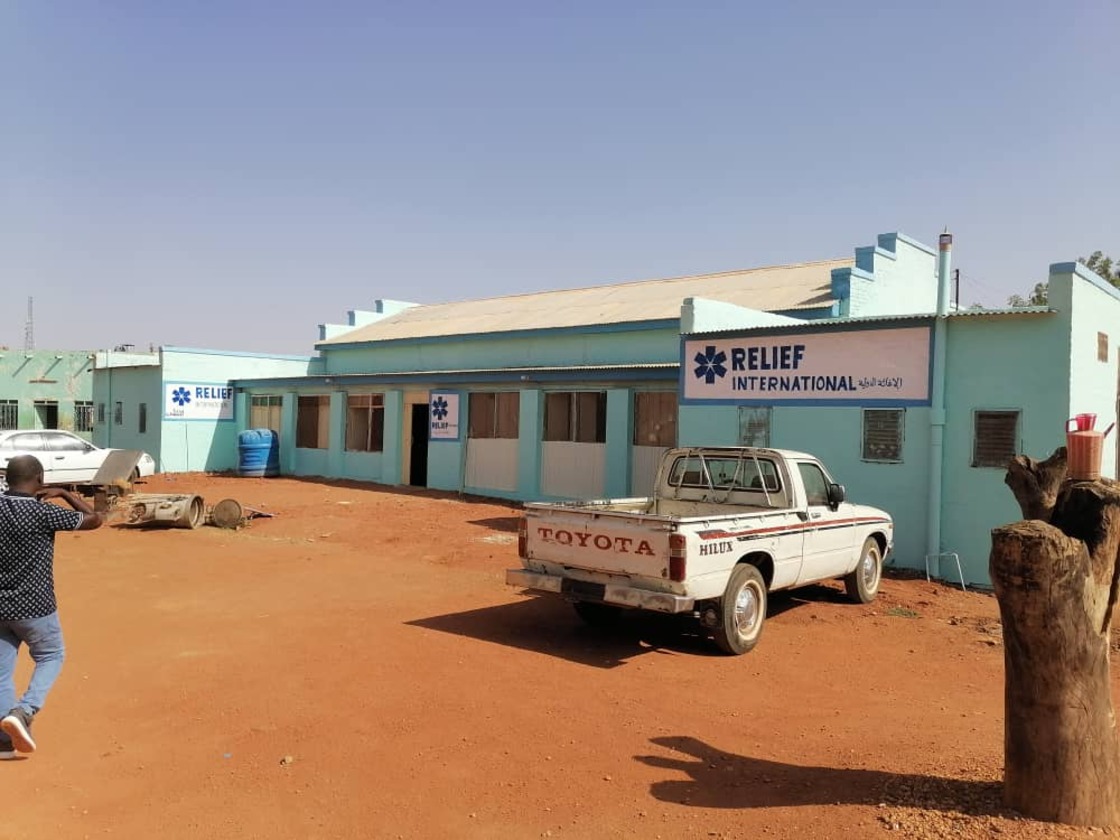
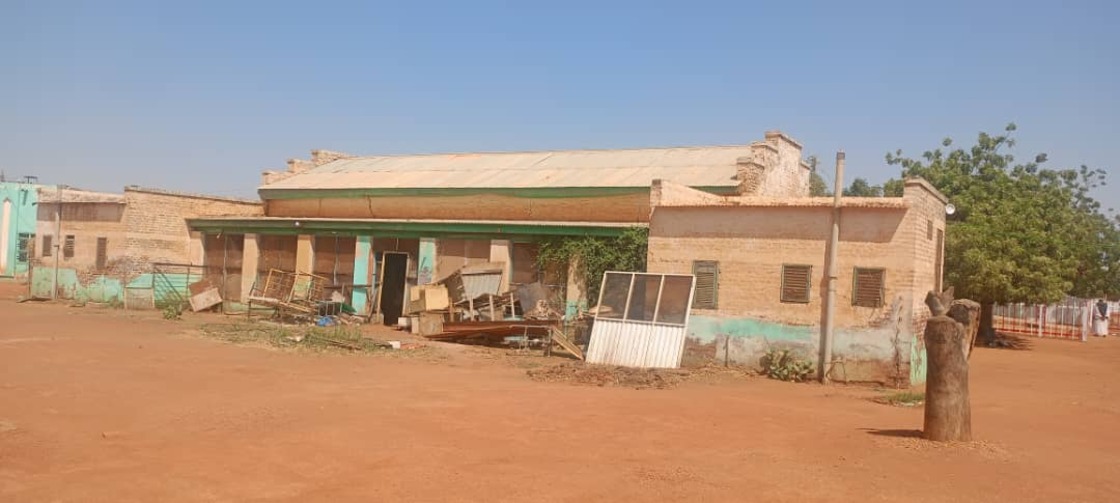
Working to build resilience, we rehabilitated a barely functioning facility in Al Managil—a remote locality in Al Jazirah state where hundreds of thousands of people are seeking refuge.
Partnering with UK Med, we introduced an innovative telehealth service which connects the facility’s isolated local staff to a network of NHS and global specialists. In real-time, these experts are supporting with remote consultations and targeted clinical training, providing lifesaving care that would otherwise not be available. This initiative is not only saving lives today—it is building a foundation for a stronger, more resilient health system in the future.
“We are skilled clinicians, but without resources and access to specialists, our capacity is limited. The telehealth service bridges this gap. The knowledge will stay with us long after the project ends,” says Dr. Safana, who works at the hospital.
Mobile medical teams provide lifesaving care to hard-to-reach families
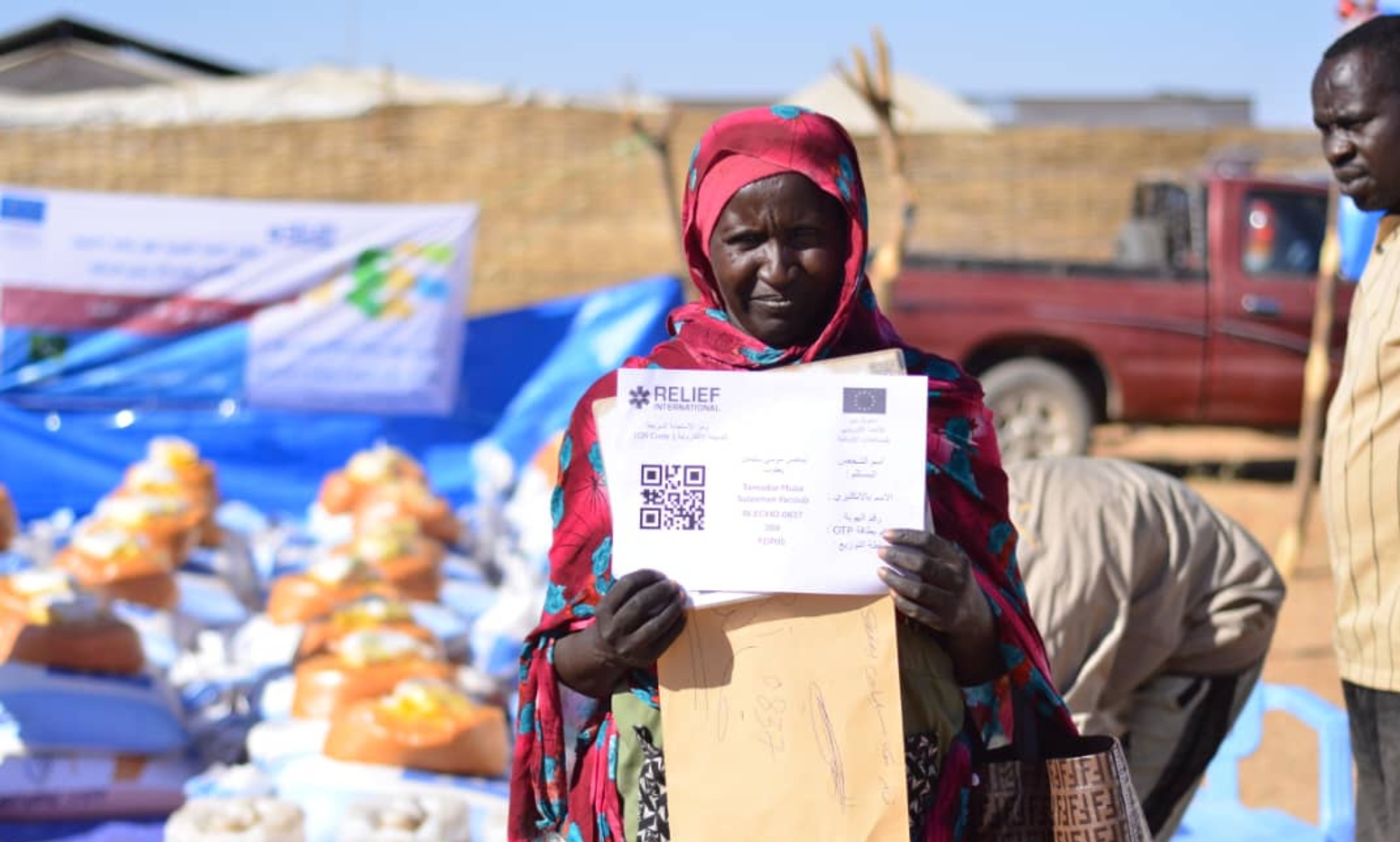
Following a brutal two-day assault on the city of El Fasher in October, a surge of displaced families arrived in locations across North Darfur. Relief International has subsequently scaled up operations in Tawila, Al Malha, Melit, and Kosti. In Tawila, our mobile clinic travels long distances each day to deliver integrated services covering health, nutrition, sanitation, protection, and livelihoods support.
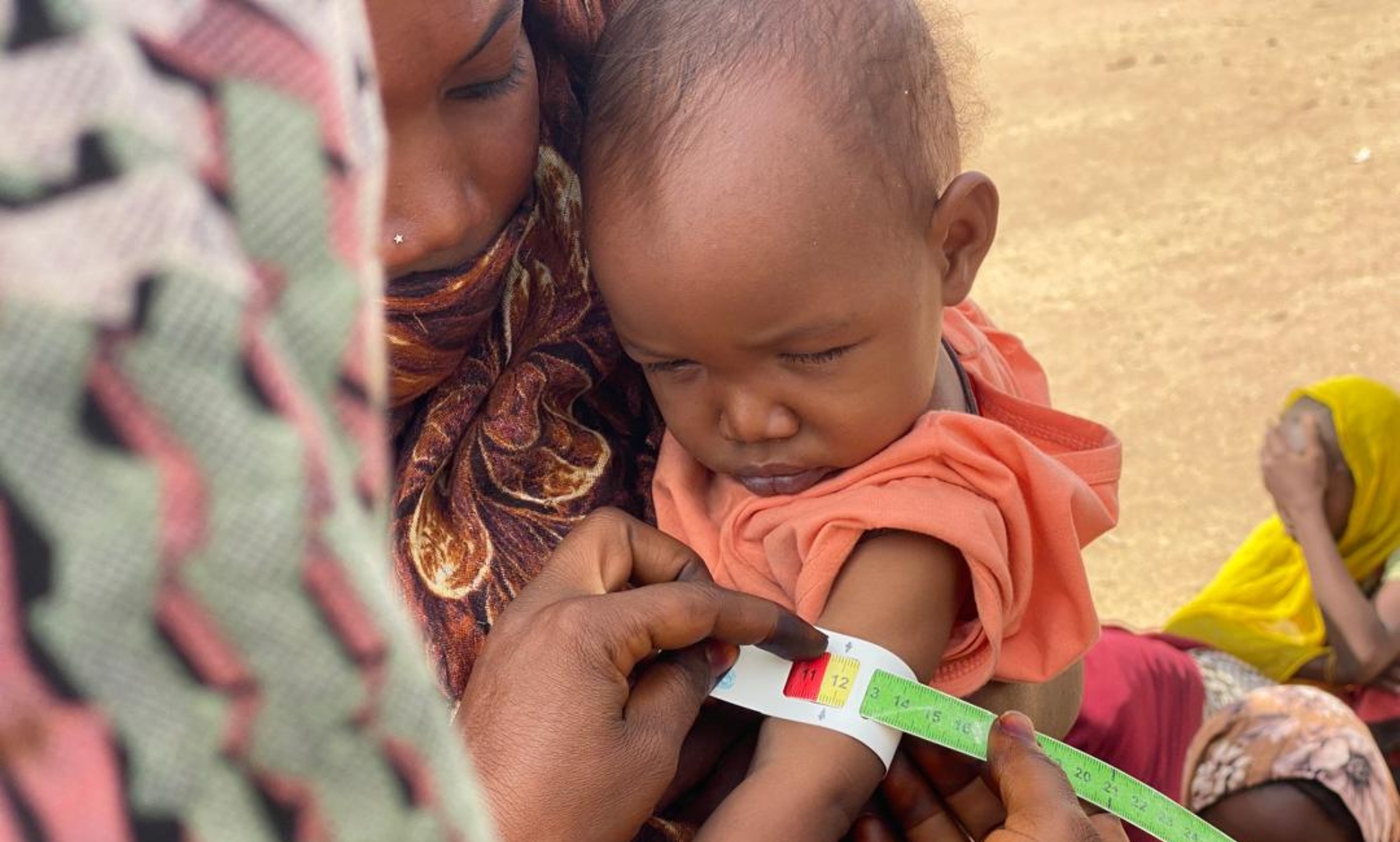
“Many arrived here with untreated gunshot injuries,” Relief International’s Dr. Zahra explains. “Psychological trauma and stress are widespread throughout the population.” Malnutrition is also pervasive, particularly among children and pregnant women, and overcrowded camps with poor sanitation are fueling outbreaks of disease.
“The near collapse of Sudan’s health system has left the few remaining facilities overwhelmed,” says Dr. Zahra. “Our teams often see 80 to 100 patients a day, stretching both staff and resources to their limits.”
For these frontline health workers, their mission goes beyond medicine, it is a calling rooted in compassion and a fierce belief that every life is worth saving.
“Please help bring an end to this ongoing war,” pleads Dr. Zahra. “People here are starving and dying from preventable diseases. Every day, children who arrive at our clinics could survive—if only the right treatment and nutrition were available.”
More help is desperately needed
Across Sudan, more than 30 million people—including 15 million children—are in need of humanitarian assistance. Conflict, hunger, and disease continue to take lives every single day.
Over 1,500 Relief International Sudan staff are going the distance to save lives and help communities build resilience, but we cannot do it alone. Help us to keep going the distance.