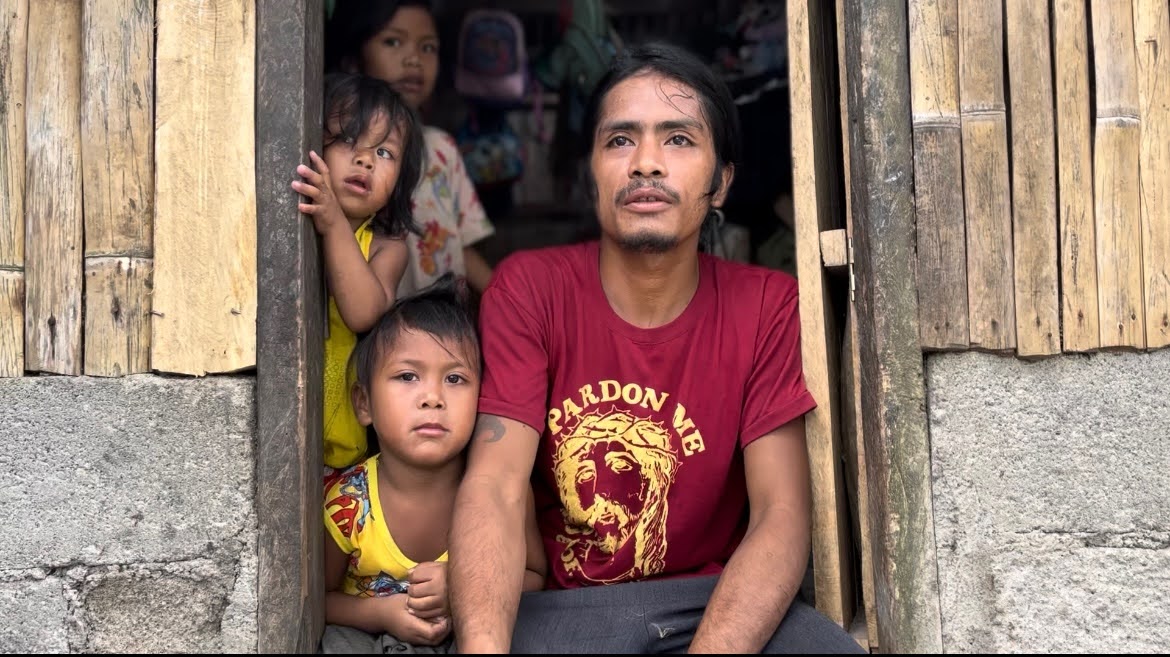
With a population of more than 116 million, inequality remains a significant issue across the Philippines. Every day, Relief International staff go the distance, working work with rural communities to respond to emergencies and help build resilience.
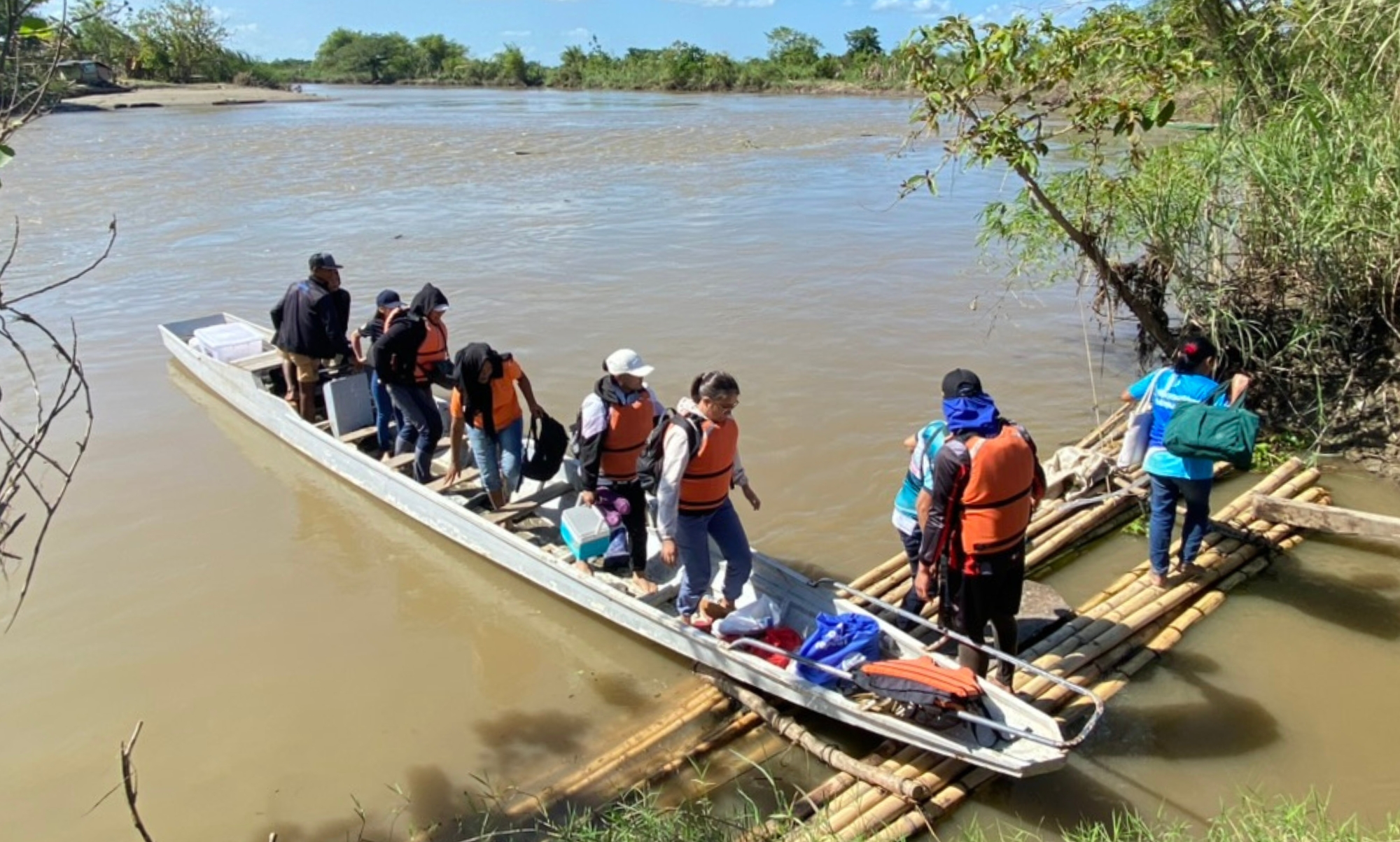
Traveling across land and sea to provide support
Living on remote islands, mountains, and rice fields, rural communities are not only cut off from essential services, but are vulnerable to the many natural disasters and extreme weather events endured by The Philippines.
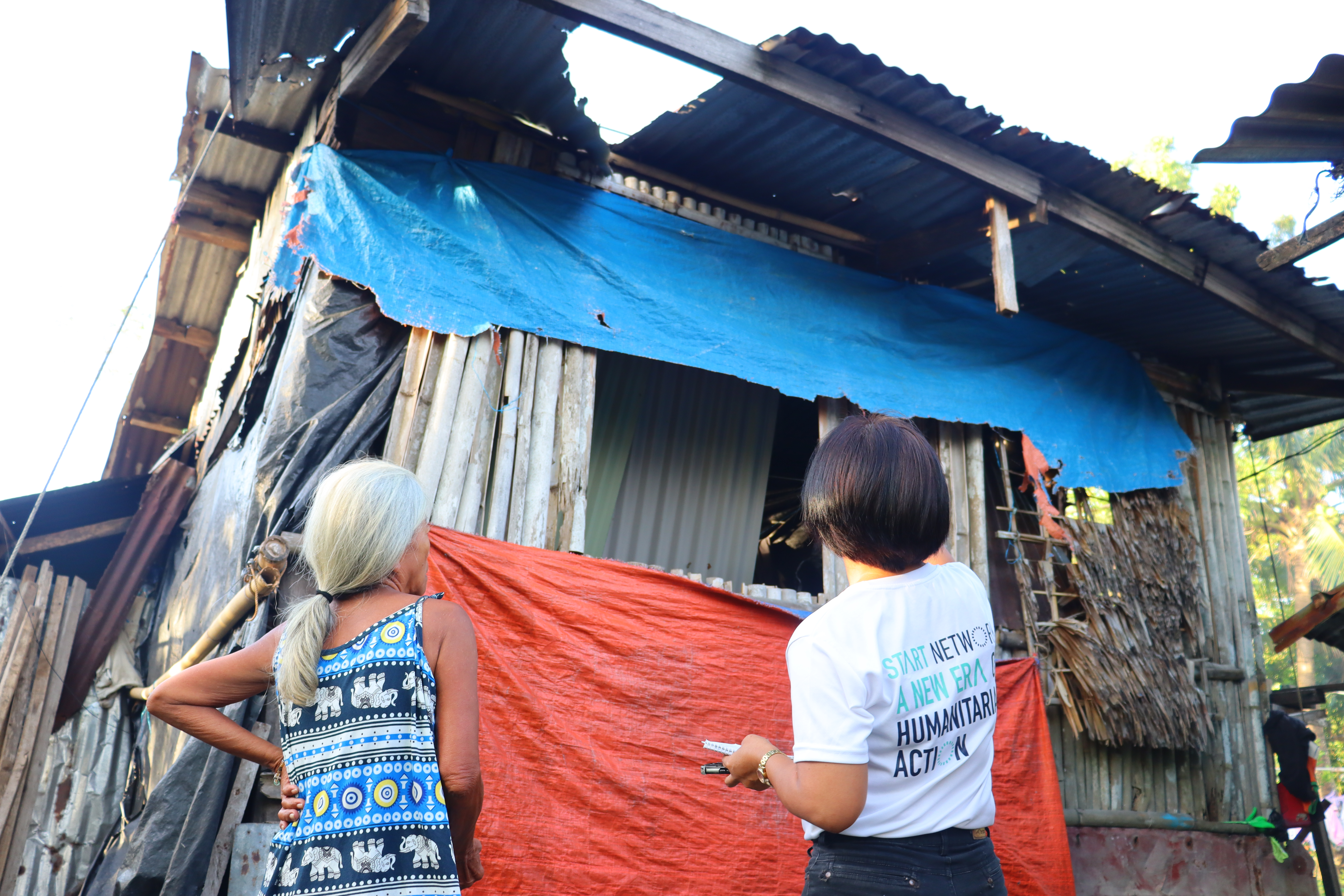
Affected families, many of which are also impacted by persistent armed conflict, are left repeatedly grappling with hunger, disease, and poverty. Determined to make a lasting difference, local Relief international staff travel across land and sea to provide a range of support.
Working in partnership with local communities, the government, and the private sector, this includes emergency aid and ongoing healthcare, as well as livelihood strengthening, community peacebuilding, and protection services for women and girls.
Our work also empowers Filipinos to protect themselves and their families from future disasters through training on disaster risk reduction, climate resiliency, and sustainable agriculture practices.
Partnering with indigenous communities
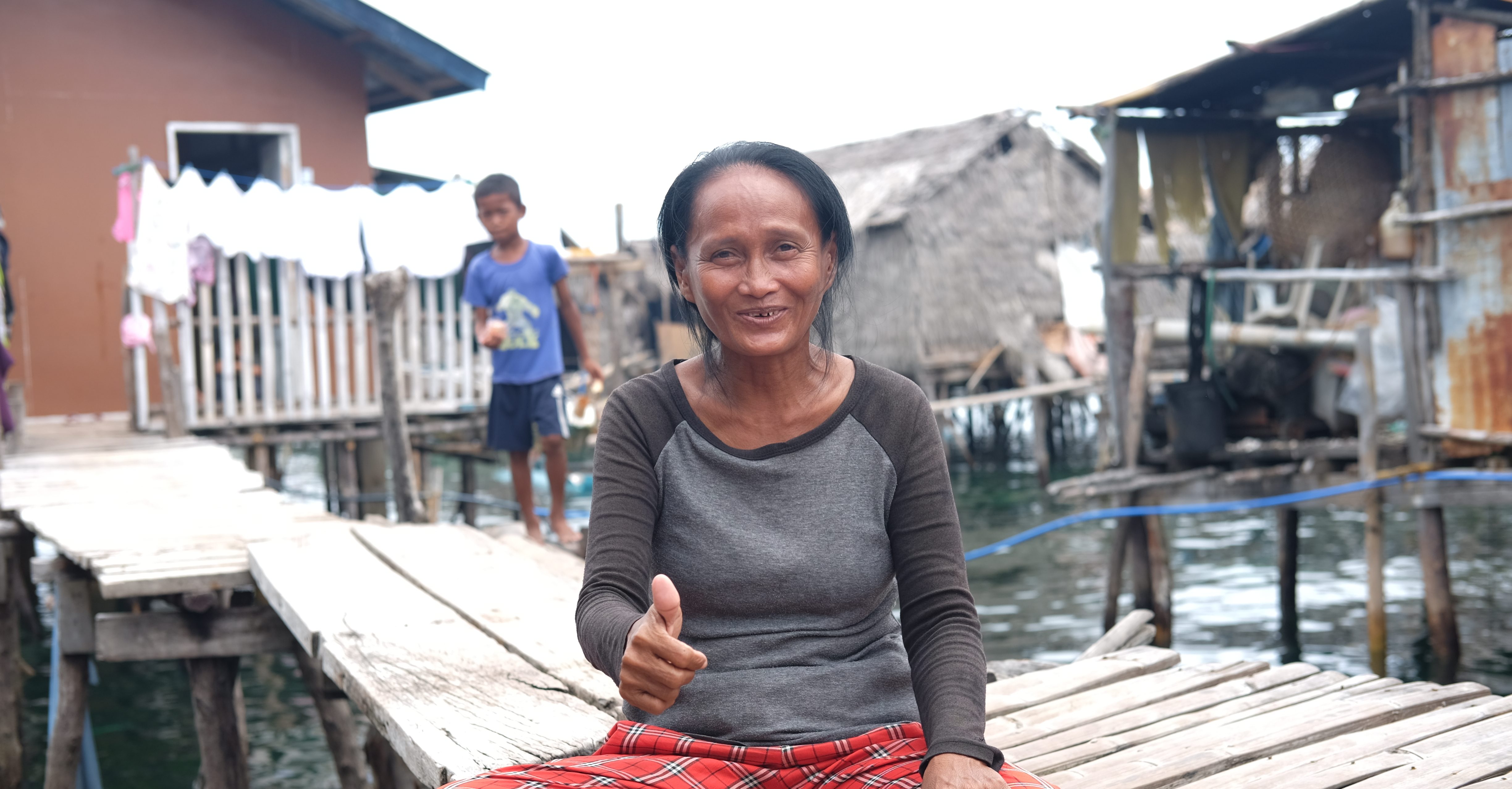
Undeterred by the journey of up to three hours, we work with indigenous communities like the Sama Bajau people in the country’s most southerly islands. Living with the ebbs and flows of the ocean, the Sama Bajau are highly skilled at sustaining themselves from its waters, yet climate change is putting their traditional way of life at risk.
Jerome Balinton, Country Director at Relief International Philippines explains, “These families are among the most marginalized in the country. Some live in stilt houses in the middle of the ocean. Reaching them often means traveling for up to three hours. But what’s harder than the journey is seeing how forgotten they are.”
Instead of teaching entirely new trades, our project strengthens what the Bajau already know best—fishing, squid and fish drying, seaweed harvesting, and mat weaving. By building common facilities, families are able to work together and increase their income.
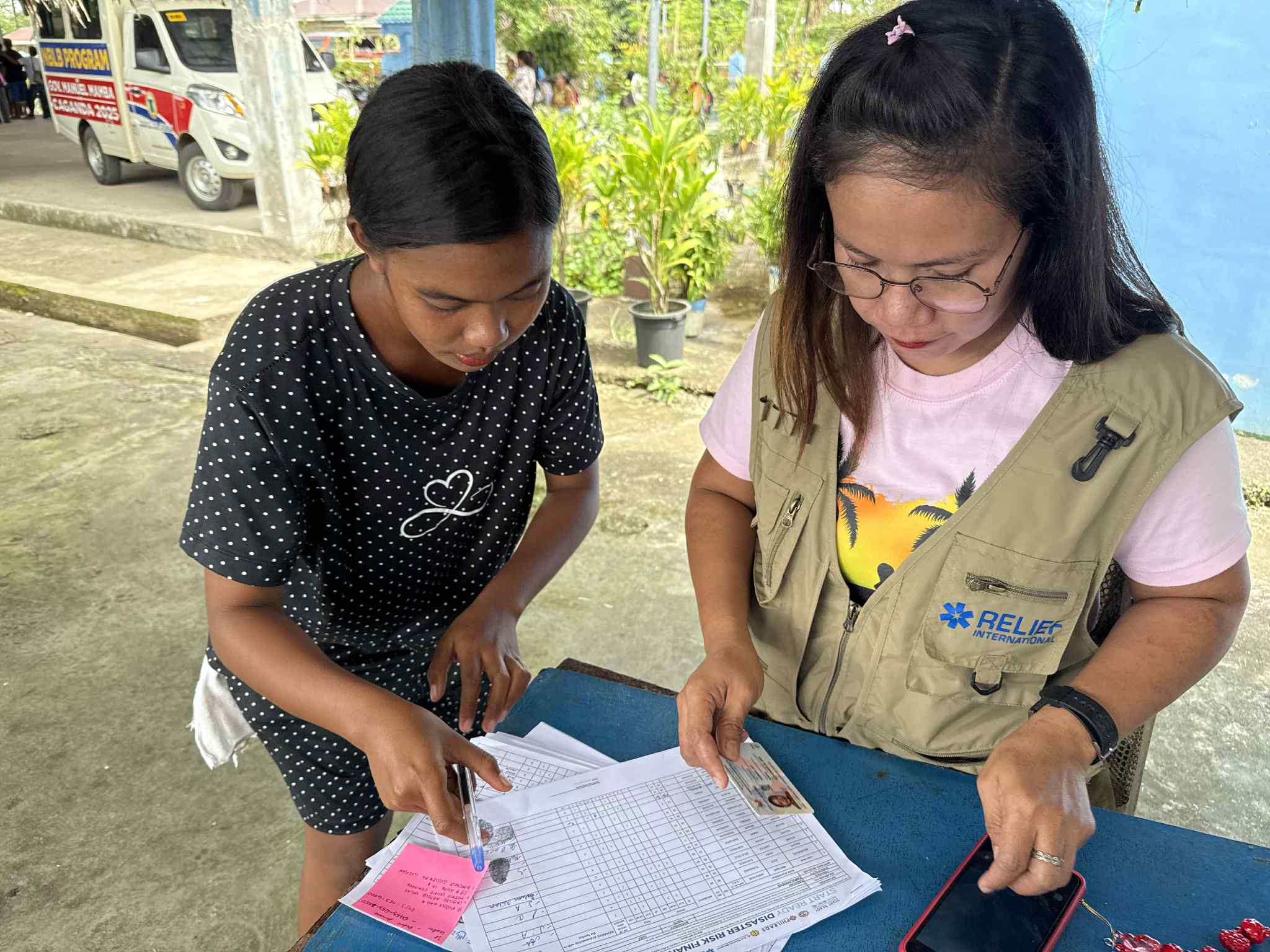
Due to a lack of funds and awareness, many Sama Bajau children are born without birth certificates, leaving them invisible in the eyes of the government. Without legal identity, they cannot go to school, see a doctor, or access the rights that every child deserves.
Relief International’s project is changing this—empowering community members to register their children at birth using their increased earnings.
“When a child gets their birth certificate, it’s not just a piece of paper, it’s proof they exist, that they matter, that they are protected, and that their future is possible,” says Jerome.
Changing attitudes about lifesaving immunizations
While the risk of illnesses like tuberculosis, pneumonia, and meningitis is high in the Philippines, communities in rural villages remain isolated from immunizations.
Partnering with local communities and the Department of Health, we are also provided vital awareness raising sessions; changing long-term attitudes about the lifesaving importance of vaccines.
Father of five Joey who attended an awareness raising session is now an advocate within his community in Kinahologan.“We should protect our children, so they grow healthy and are safe against diseases.”
In 2025, Relief International vaccinated more than 100,000 children against life-threatening diseases.
Day in, day out we are going the distance, working with rural Filipino communities to save lives and build resilience—but we can’t do it alone. Help us to keep going the distance.