Conflict has escalated across southern Lebanon, Beirut, and Bekaa in recent days, causing further displacement and a rise in civilian casualties.
Devastatingly, close to 900 deaths and more than 2,000 injuries have been reported since the outbreak of hostilities in early March, with over one million people displaced from their homes.
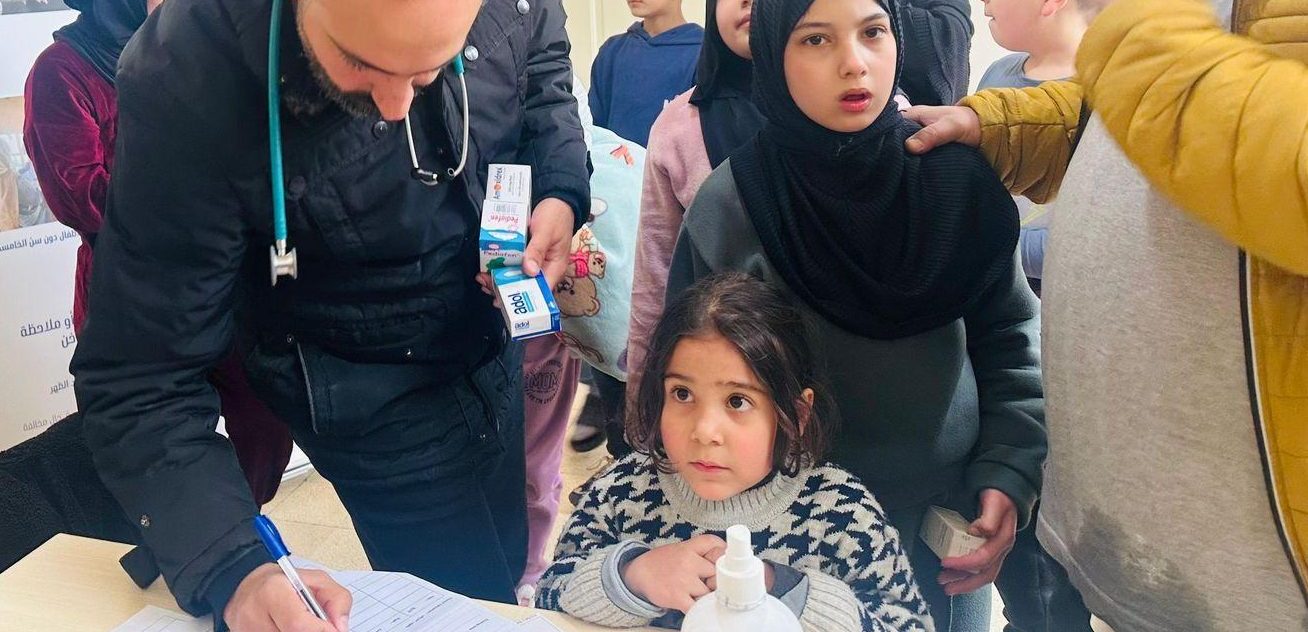
Relief International continues to support emergency medical units serving collective shelters across Beirut, Mount Lebanon, and Bekaa–Baalbek.
Our staff are working closely with emergency medical units to provide critical health services including consultations, the provision of medication, screening for malnutrition, physiotherapy, vaccinations, and mental health support.
Yara* is the director of a health center Relief International supports in Bekaa. She says:
“We are supporting an influx of displaced people—some of them injured—who have been forced to leave their villages, their homes, without anything. At overcrowded collective shelters, we are treating a rise in contagious conditions like bronchitis and flu.
“Young infants and elderly people are suffering particularly—can you imagine your grandmother or grandfather having to shelter in this very busy space with no bed or basic essentials?”
“Communities are feeling anger, anxiety, and fear. They are fearful for the escalating situation, for their living conditions and the spreading of disease. Alongside medical care, people require emotional support, compassion, and for their dignity to be protected.”
Nadine Kfoury, Lebanon Health Programs Manager at Relief International adds:
“Within this highly stressful context, mental health needs are soaring. We are doing everything we can to continue services for existing clients of mental health support, and to expand our offering for the wider community.
“Right now we have shifted support to a phone service in order to offer remote care and will soon be providing sessions within collective shelters too,” continues Nadine.
To address growing nutrition needs, Relief International’s lactation specialist is providing counselling to breastfeeding women who require support feeding their babies. The organization is also providing assessments and referrals for young children and pregnant or breastfeeding women who are malnourished—as well as supporting with the provision of supplies.
“We are working against many challenges. Even before this humanitarian disaster which is unprecedented for Lebanon, the population was facing crisis. We desperately need more medical supplies and medicines, as well as long-term support for the continuity of medical and mental health services in our country," continues Yara.
“As these terrifying hostilities continue, the surge of patients in need continues to rise, and at the same time many healthcare staff are displaced themselves,” she adds.
The deteriorating security environment is placing immense pressure on Lebanon’s fragile health systems. Reports confirm that medical facilities, already struggling with limited resources, have come under attack in recent weeks resulting in 30 deaths and 35 injuries among healthcare workers and civilians.
Five hospitals are reported to have closed, and five others partially damaged. Almost 50 primary healthcare centers remain non-operational, further limiting access to essential services.
Relief International says it is crucial that medical services and humanitarian workers are respected and protected, in line with humanitarian law.
*Name changed to protect identity.
Help us make a difference today
Bring care, stability, and hope for families facing unimaginable circumstances.