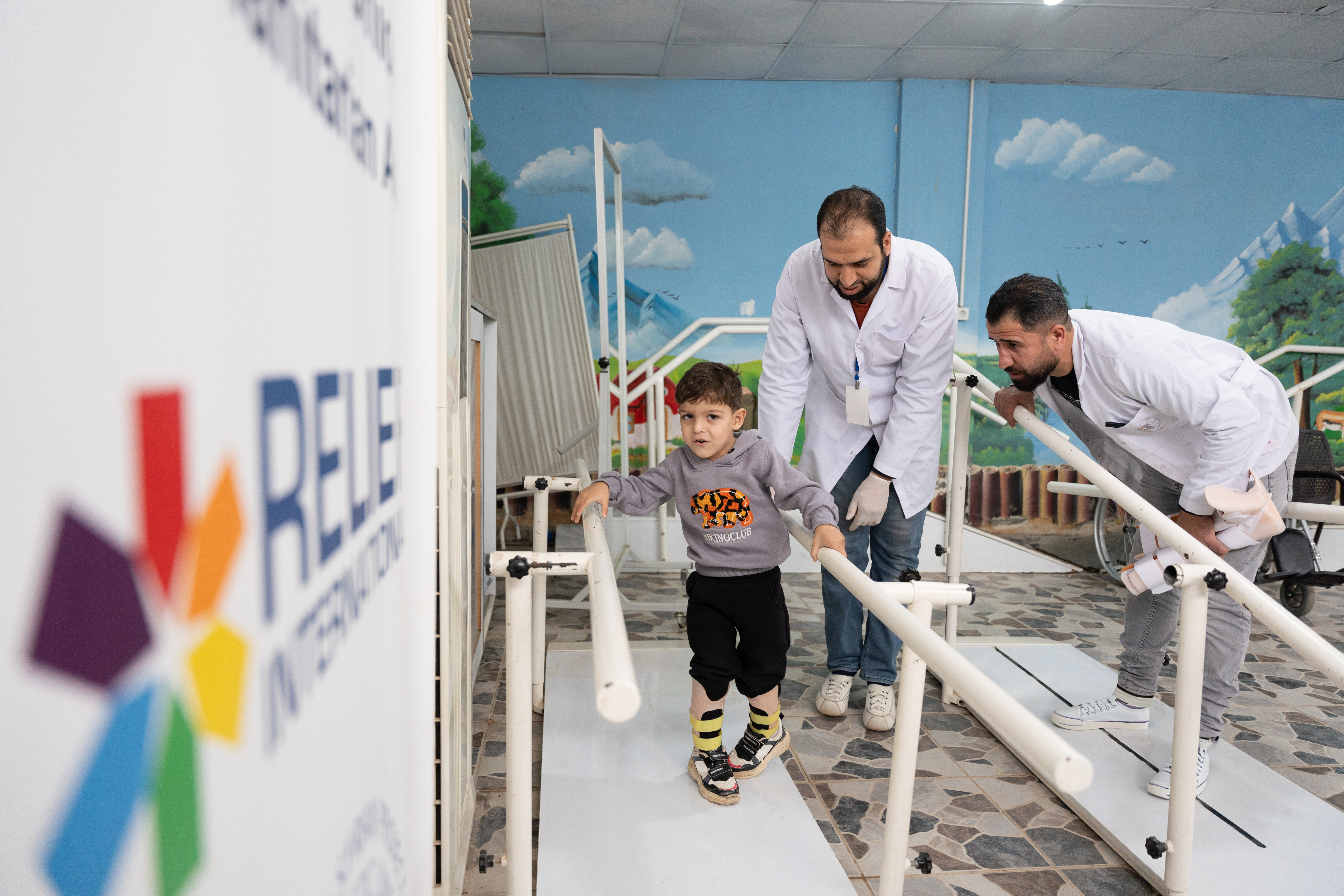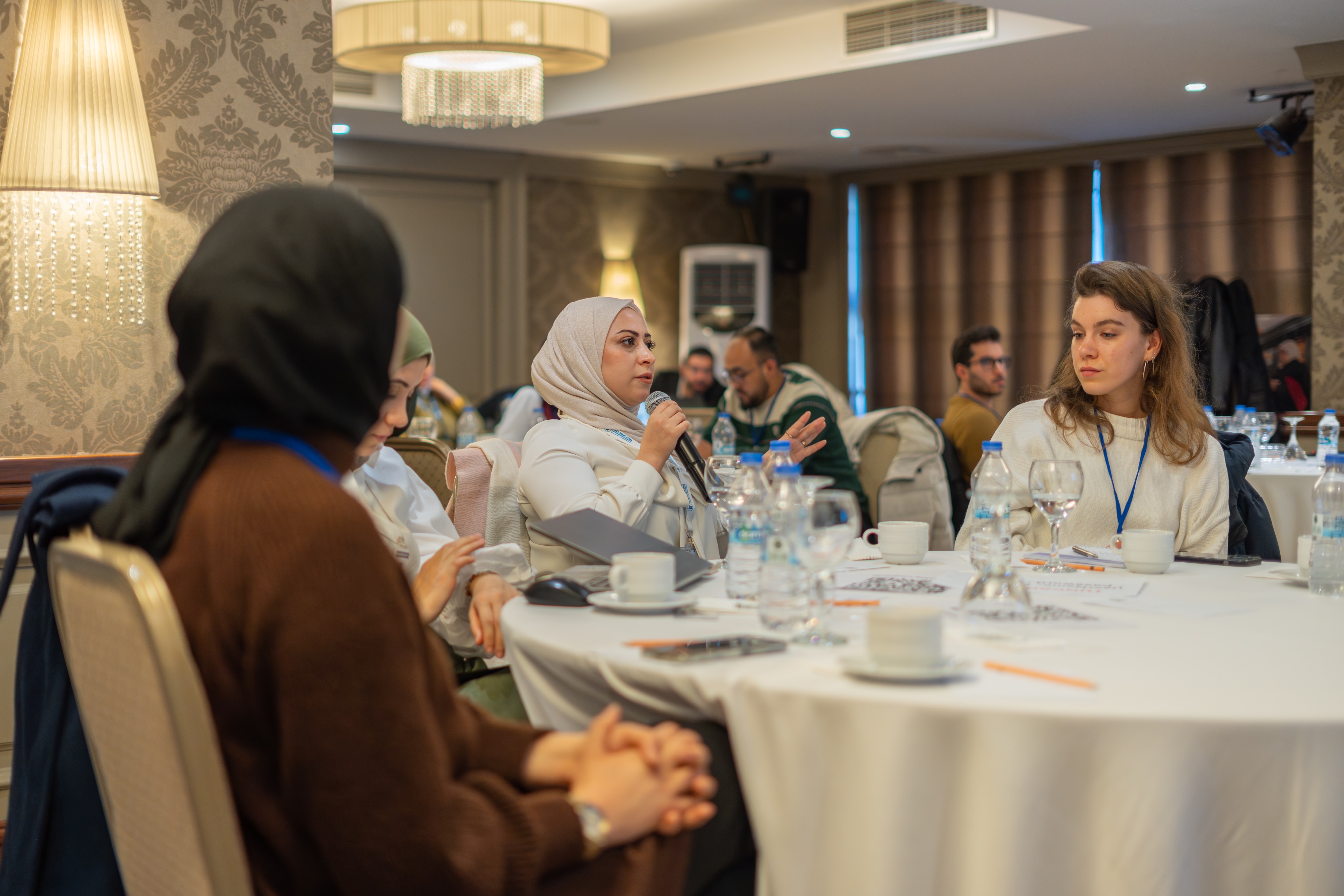
On February 16, 2026, Relief International convened its fourth annual Disability Inclusion Summit in Gaziantep as a hybrid forum bringing together NGOs, Organizations of Persons with Disabilities (OPDs), Older Persons’ Associations (OPAs), local authorities, academics, and donors.
As the humanitarian landscape changes, disability inclusion remains paramount
Marking the third anniversary of the Kahramanmaraş earthquake, participants reflected on ongoing recovery efforts and the persistent gaps that remain. Access to healthcare, rehabilitation, social protection, and assistive devices continues to be uneven, particularly for persons with disabilities and older persons within refugee and host communities.
At the same time, the broader context has evolved. Following the political transition in Syria, some refugees have returned while others remain in Türkiye due to lack of security, limited services, or inaccessibility. Meanwhile, the contraction of humanitarian programming has placed additional pressure on already fragile systems.
As services scale down, it is the most vulnerable who feel the impact first.
Relief International Country Director Alina Akhyar said, “There is a clear “before and after” the earthquake. Families who were once managing are now struggling, systems already under strain are thinner, and the barriers faced by older persons and persons with disabilities have deepened.”
Honest dialogue and a shared path forward
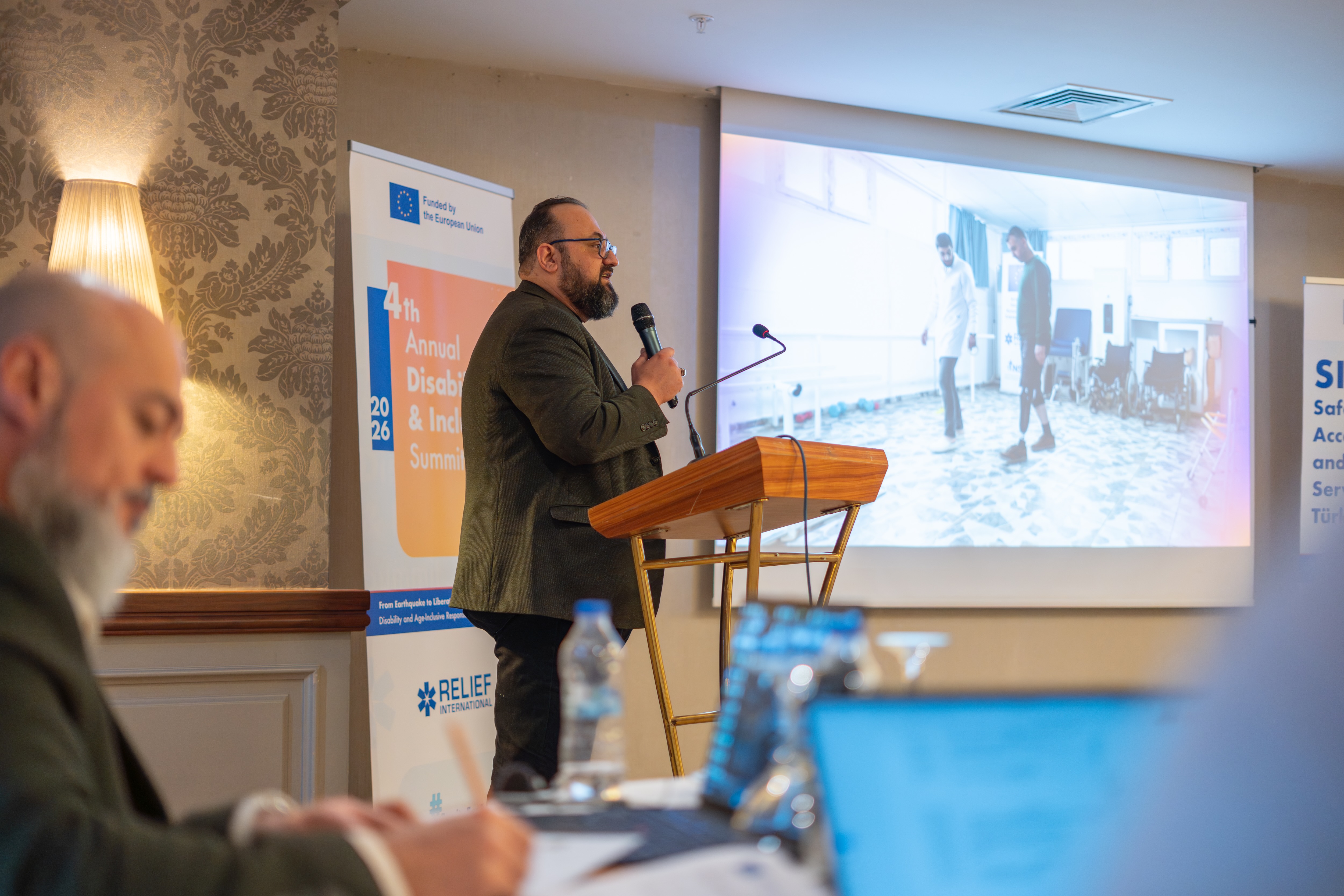
Participants spoke openly about coordination gaps, duplication of efforts, competition over limited resources, and institutional pressures. In a shrinking space, working in parallel is no longer sustainable. The summit created a platform to align approaches, integrate efforts, and strengthen collective impact rather than operate in silos. Going forward, concrete recommendations for programming, advocacy, and institutional commitments will be developed, ensuring that the conversations held in the room influence decisions beyond it.
Türkiye’s context remains layered and evolving. Making disability and age inclusion meaningful will require ongoing accountability, consistency and coordination. Relief International remains committed to leading these efforts, paving the way to real, sustainable change for people with disabilities in Türkiye.
Participants agreed that in this environment disability inclusion cannot be an afterthought, it must be embedded from the outset in planning, budgeting, implementation, and monitoring.