Communities across South Sudan are facing a humanitarian emergency shaped by armed conflict, climate shocks, and mass displacement.
Hundreds and thousands driven from their homes
In December last year alone, intensified fighting forced primarily women and children to flee toward already overstretched displacement sites where access to healthcare, safe water, and food remains critically limited.
At the same time, a fifth consecutive year of severe flooding impacted more than 1.35 million people across 39 counties, submerging homes, farmland, and critical infrastructure.
By the end of the year, more than 326,000 people had been newly displaced internally, while over 200,000 sought refuge in neighboring countries. This added to the 2.4 million South Sudanese people already displaced prior to 2025.
Sustaining lifesaving support in Upper Nile State
Amid surging needs and reduced humanitarian funding, Relief International continued delivering life-saving assistance to South Sudanese refugees, as well as returnees from Sudan and conflict-affected host communities, in some of the most remote and hard-to-reach areas of Upper Nile State.
By being adaptive, optimizing available resources, and strengthening coordination with government authorities and partners, we sustained essential services in the face of intensifying instability, displacement, and subsequent disease outbreaks.
Partnering with local communities to save lives and build long-term resilience
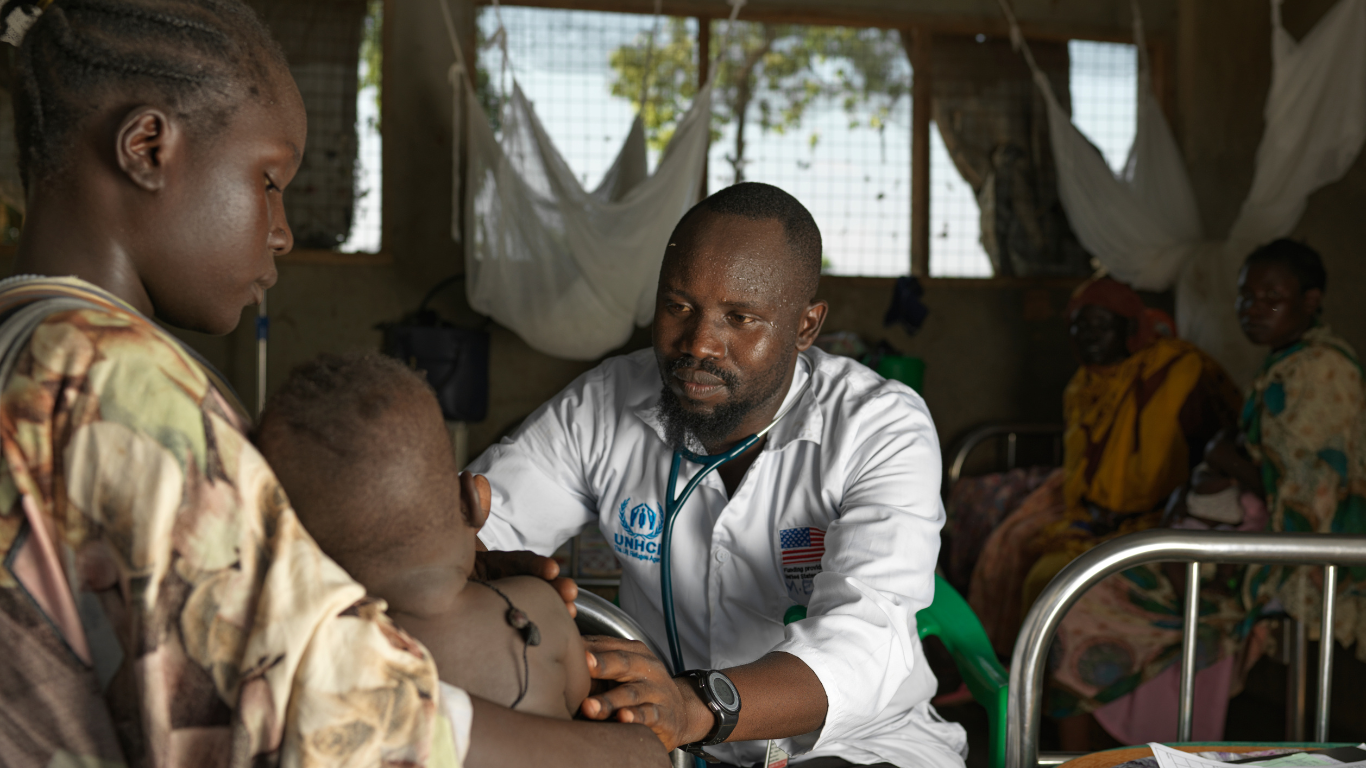
In crisis-affected counties such as Longechuk, Ulang, Maiwut, Nasir, Renk, and Maban, Relief International provides emergency health services to families cut off from functioning health systems.
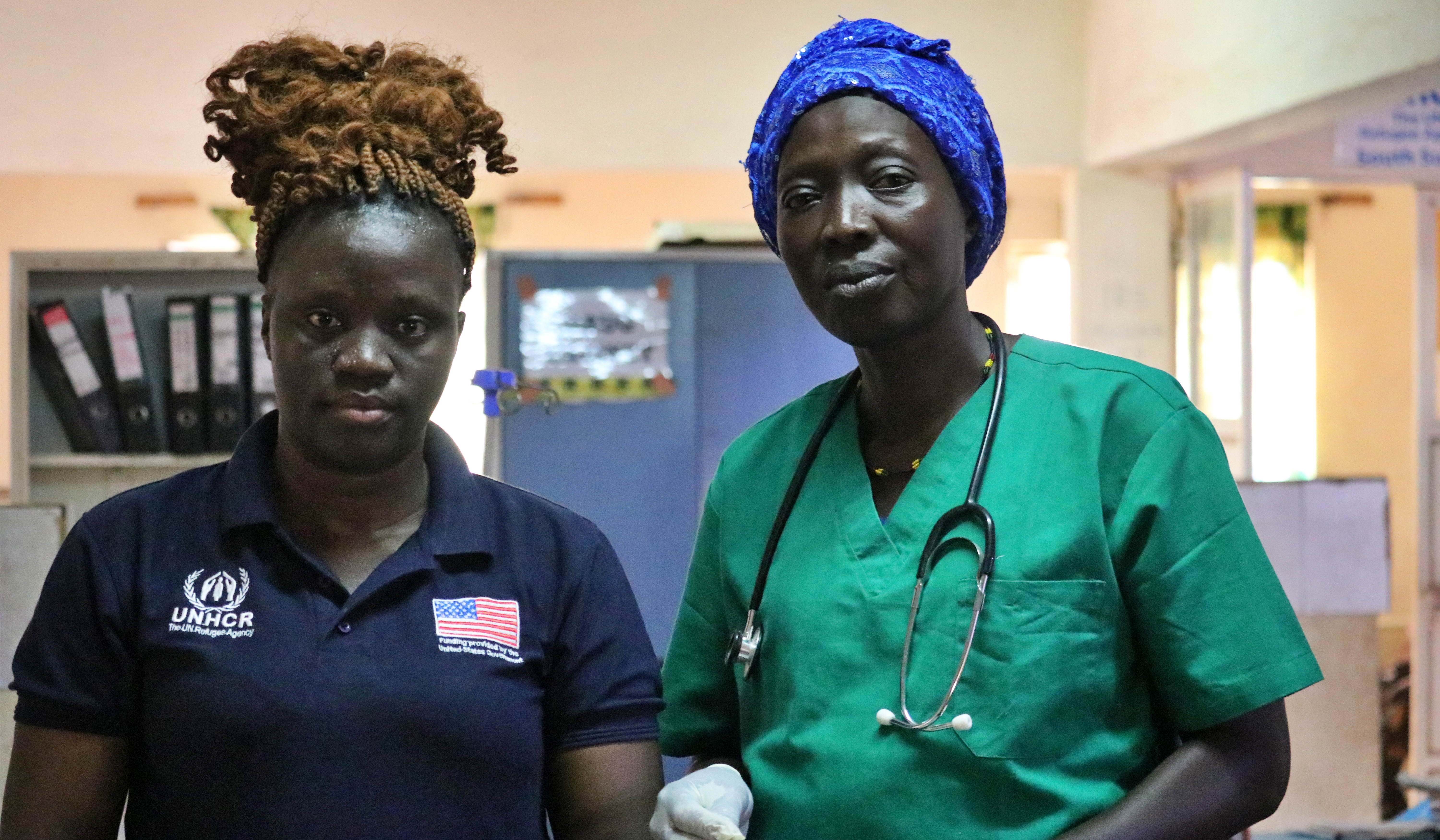
Through static health facilities and mobile medical units (MMU), our teams are delivering maternal and child healthcare, mental health support, and laboratory diagnostics as well as emergency referrals for life-threatening conditions.
Last year, community health workers treated over 130,000 sick children under five for preventable and treatable illnesses. Additionally, almost 5,000 babies were safely delivered by skilled Relief International-supported health staff, whose mission is to help reduce maternal and neonatal mortality risks in emergency settings.
In total, we provided almost 600,000 healthcare consultations across supported health facilities.
We also strengthened the capacity of 23 rural health facilities in Maiwut and Longechuk under South Sudan’s Health System Transformation Program by supporting more staff, maintaining medical supply chains, and providing clinical supervision in underserved areas.
Upskilling local staff
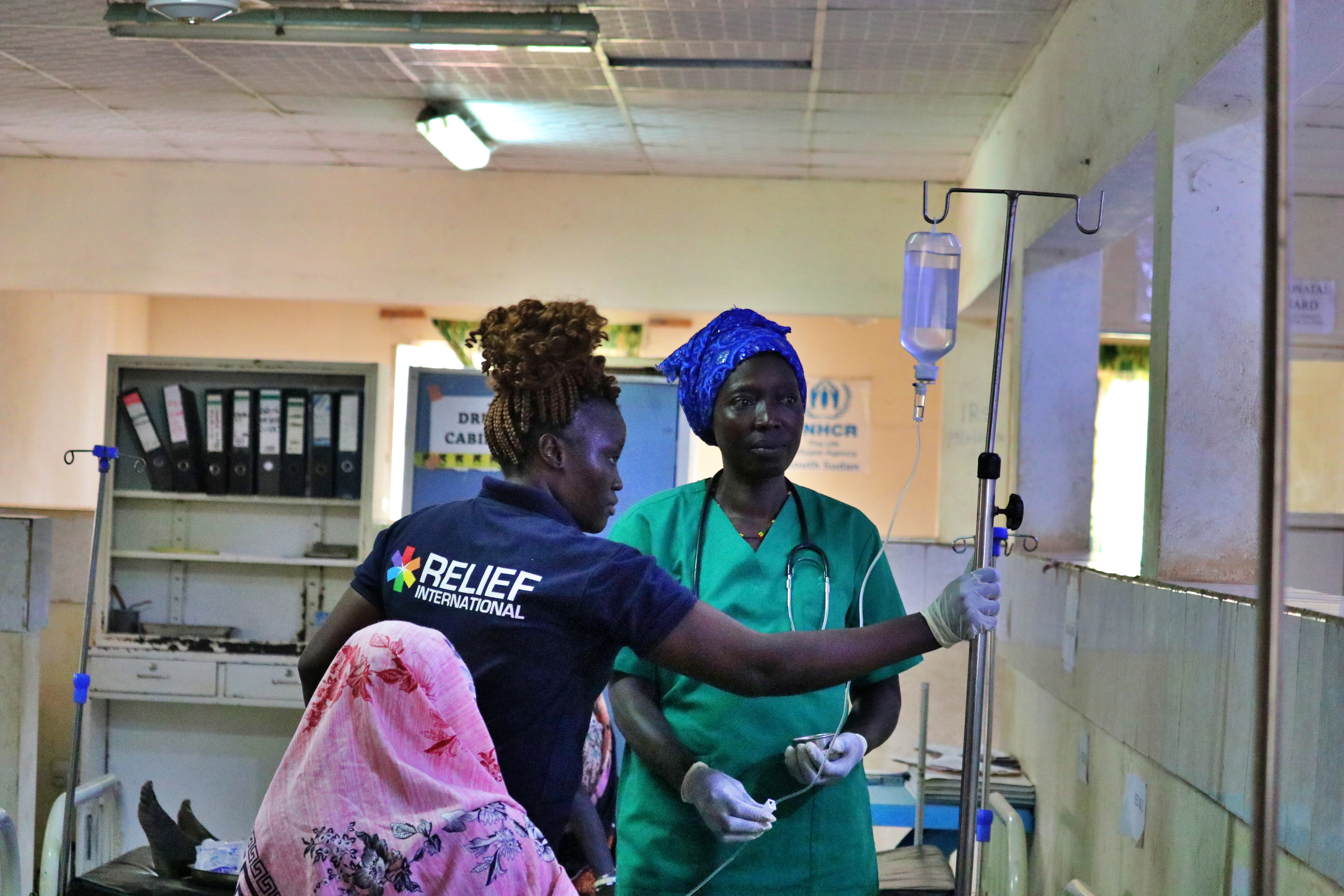
Relief International staff provide hands-on support.
Through Relief International’s mentorship, South Sudanese health worker Jouthe mastered complex maternal and newborn care protocols, eventually becoming an advocate for safe deliveries across her community. “For years, I served my community with a heavy heart, always worrying that my hands weren’t enough to save a mother from bleeding or a newborn from infection,” said Jouthe.
"Relief International's mentorship program changed everything; I went from only knowing a simple injection to mastering life-saving protocols like oxytocin for haemorrhage and cord care. I am no longer just a witness to birth; I am a trained protector who finally has the knowledge to match my commitment."
Combating malnutrition through life-saving treatment and household gardens
Ongoing displacement and limited access to food continue to drive alarming rates of malnutrition among children under five and pregnant and breastfeeding women in South Sudan. In response, we expanded therapeutic feeding programs and preventive nutrition services to ensure early detection and timely treatment of moderate and severe acute malnutrition.
Last year we treated 42,000 malnourished children through therapeutic programs in displacement-affected communities.
We also helped to establish household nutrition gardens, enabling families to grow high-nutrient vegetables near their homes. This initiative is strengthening dietary diversity and supporting long-term health for South Sudanese communities.
In 2026, our commitment to the people of South Sudan remains unwavering. We will continue standing alongside communities, working hand in hand with local partners not only to save lives in moments of crisis, but to strengthen resilience and help families build a more stable, self-reliant future.
Relief International extends its sincere appreciation to partners who stood with communities in South Sudan during this critical period. With the support of the United States Government, UNHCR, ECHO, UNICEF, and WFP, we sustained life-saving health, nutrition, WASH, and food security services for refugees, returnees, and conflict-affected families. Their timely and flexible support enabled frontline teams to adapt to displacement, disease outbreaks, and climate shocks, ensuring essential services reached those who needed them most throughout 2025.